
 English
 中文简体
中文简体 Español
 عربى
عربىFluorinated Round Bottles
Will HDPE round bottles crack or break with prolonged use?
Introduction to HDPE round bottles
High-density polyethylene (HDPE) round bottles are widely used in packaging liquids such as beverages, household chemicals, and personal care products. HDPE is known for its chemical resistance, light weight, and relatively high impact strength. Despite these properties, questions often arise regarding the long-term durability of HDPE bottles, particularly whether they are prone to cracking or breaking with prolonged use. Understanding their performance over time involves examining material properties, environmental influences, structural design, and handling practices.
Material properties of HDPE
HDPE is a thermoplastic polymer characterized by its density, crystallinity, and molecular weight. These factors contribute to its stiffness, impact resistance, and chemical stability. The material's semi-crystalline structure provides toughness while maintaining flexibility. HDPE can withstand repeated stress without brittle failure, making it suitable for containers intended for prolonged use. The polymer’s ability to absorb energy under impact also reduces the risk of cracking compared to more rigid plastics.
Structural design and wall thickness
The durability of HDPE round bottles depends in part on structural design. Wall thickness, base reinforcement, and neck design influence how the bottle responds to repeated handling, stacking, or internal pressure changes. Uniform wall thickness distributes stress more evenly, reducing weak points that could develop cracks. Rounded shapes and stress-relief features in the neck and shoulder areas further improve resistance to mechanical strain over time.
Environmental factors affecting durability
Prolonged exposure to environmental conditions can impact HDPE bottles. UV light can degrade polymers over time, leading to surface embrittlement and potential cracking. High or low temperatures may alter the flexibility and stress tolerance of the material. Chemical exposure, especially to strong solvents or oxidizing agents, can affect polymer chains, potentially reducing toughness. Proper storage away from extreme conditions helps maintain bottle integrity over extended periods.
Impact and mechanical stress resistance
HDPE bottles are designed to withstand daily mechanical stresses such as drops, knocks, and compression during transport or storage. The material’s impact resistance allows it to absorb and distribute energy without fracturing. Features such as rounded bases and reinforced sides improve performance under repetitive stress. However, repeated or concentrated stress on the same area, such as from improper stacking or heavy loads, may eventually lead to deformation or micro-cracks, which could propagate over time.
Repeated use and fatigue considerations
Repeated opening, closing, and squeezing can create fatigue in certain areas of HDPE bottles. While the polymer exhibits flexibility, continuous cyclic stress can weaken regions like the neck or threaded caps. Fatigue-induced cracking is generally slow and dependent on the frequency of use and the magnitude of applied forces. Proper handling, such as avoiding over-tightening caps or excessive squeezing, reduces the likelihood of developing cracks over prolonged use.
Chemical resistance and internal contents
HDPE is resistant to many chemicals, but prolonged contact with certain substances can affect its durability. Highly concentrated acids, bases, or solvents may cause surface softening or stress cracking over time. Bottles designed for chemical storage often include additives to improve chemical resistance, such as antioxidants or UV stabilizers. For food and beverage use, HDPE maintains structural integrity, provided that contents are within the intended pH and chemical stability range.
Temperature extremes and thermal cycling
Exposure to temperature extremes can influence the likelihood of cracking in HDPE bottles. Freezing or boiling conditions may temporarily change the flexibility and internal stress distribution. Thermal cycling, where bottles are repeatedly heated and cooled, can accelerate stress fatigue. HDPE’s semi-crystalline nature provides some tolerance to temperature fluctuations, but bottles intended for extreme conditions should be tested for long-term performance.
Quality of manufacturing and consistency
The manufacturing process affects the long-term durability of HDPE bottles. Injection molding or blow molding techniques determine wall thickness uniformity, absence of voids, and surface quality. Variations in cooling rates or material distribution can create localized weak points prone to cracking. High-quality production ensures consistent molecular orientation, reducing internal stresses and supporting extended durability. Bottles produced under strict quality control exhibit fewer defects that could compromise longevity.
Maintenance and care practices
Proper care can significantly extend the lifespan of HDPE bottles. Avoiding exposure to direct sunlight, extreme temperatures, and harsh chemicals preserves material properties. Gentle cleaning with appropriate detergents prevents surface abrasion and micro-scratches, which can serve as initiation sites for cracks. Following recommended usage guidelines and avoiding mechanical overloading ensures that bottles maintain their structural integrity during prolonged use.
Impact of repetitive handling and transport
HDPE bottles often endure repeated transport, stacking, and handling. Vibration, compression, and occasional impacts can induce stress concentrations. Reinforced designs and thickened bases reduce the likelihood of failure under repetitive handling. Monitoring storage and transport conditions, such as avoiding excessive stacking weight or drop heights, enhances the bottle’s ability to withstand long-term mechanical stress.
Statistical data on durability
Laboratory tests and field studies show that properly manufactured HDPE bottles generally maintain structural integrity over years of use. Stress cracking under typical household or industrial conditions is uncommon when proper material grades and design standards are applied. Environmental and handling factors play a larger role in long-term durability than the polymer itself. Testing protocols, including repeated impact, temperature cycling, and chemical exposure, provide data to predict lifespan and inform best practices for usage.
| Factor | Impact on HDPE Bottle Durability | Recommended Practices |
|---|---|---|
| Material Quality | High-quality HDPE resists cracking and embrittlement | Use certified grades and avoid substandard materials |
| Wall Thickness and Design | Uniform walls reduce stress concentration | Choose bottles with reinforced necks and bases |
| Environmental Exposure | UV light, heat, and chemicals may degrade material | Store in shaded, temperature-controlled areas; avoid harsh chemicals |
| Repeated Handling | Frequent squeezing or dropping can cause fatigue | Handle gently and avoid excessive force |
| Temperature Cycling | Rapid heating and cooling may induce stress | Avoid repeated freezing and boiling cycles unless tested |
Role of additives and stabilizers
Manufacturers often include stabilizers, UV inhibitors, and antioxidants to improve the long-term performance of HDPE bottles. These additives prevent oxidation, photodegradation, and stress cracking. For bottles used outdoors or in chemically aggressive environments, such enhancements are critical for maintaining durability. The presence of these additives allows HDPE bottles to retain flexibility and impact resistance even after prolonged exposure to challenging conditions.
Long-term performance summary
HDPE round bottles generally exhibit strong resistance to cracking and breaking when designed and manufactured properly. Factors such as material grade, wall thickness, structural reinforcement, and environmental exposure determine the actual lifespan. With careful use, appropriate storage, and adherence to recommended handling practices, HDPE bottles can maintain functional integrity over many years, demonstrating that the material and design are suitable for repeated and prolonged use without significant risk of structural failure.
Related Products
-
-
Fluorinated Round Bottles
-
Fluorinated Round Bottles
-
HDPE Square Barrel
-
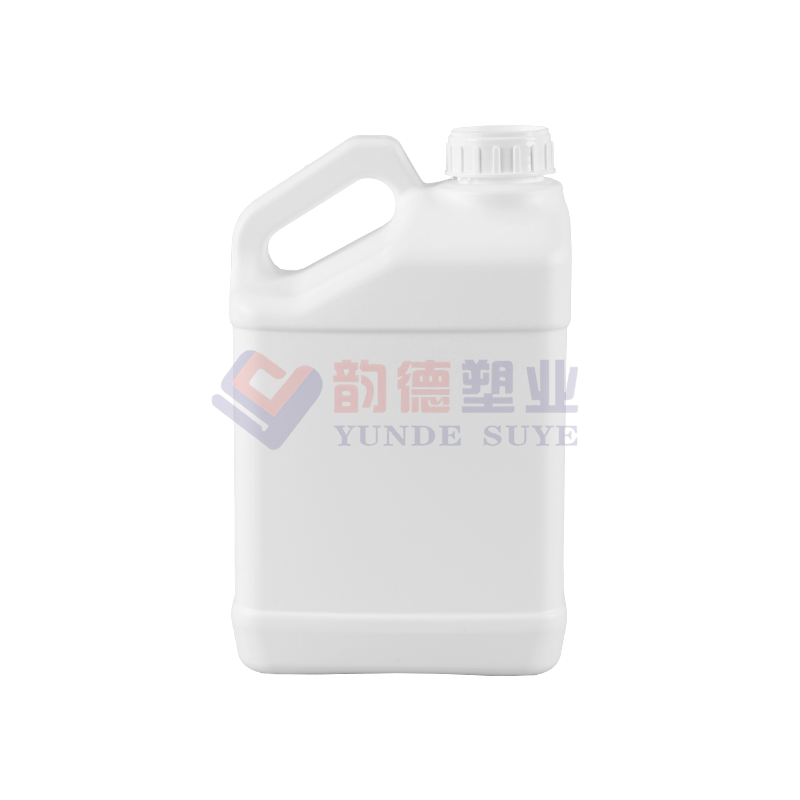
HDPE Square Barrel
-
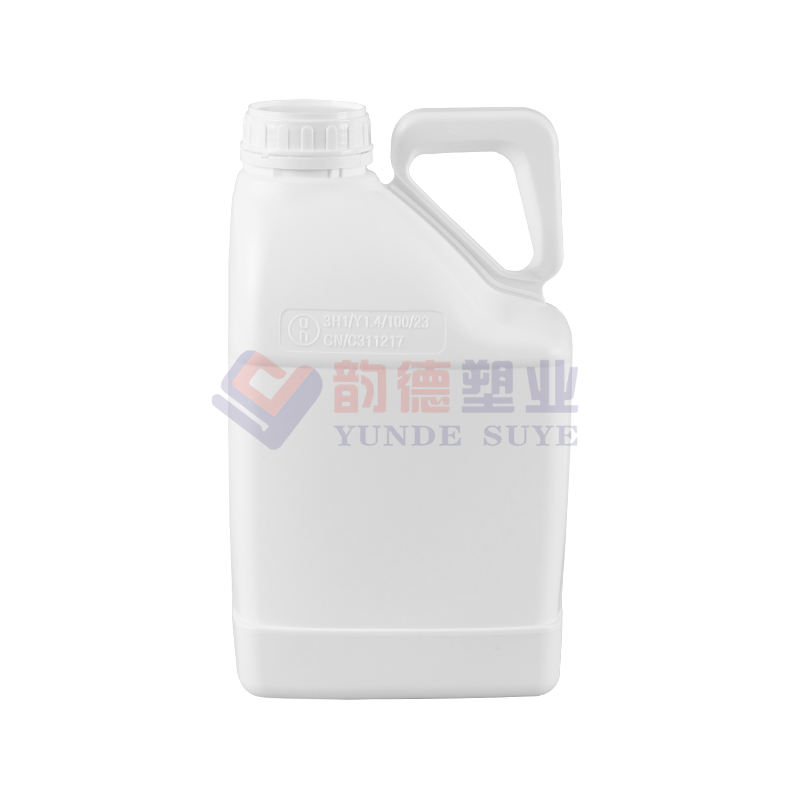
Fluorinated Square Barrels
-
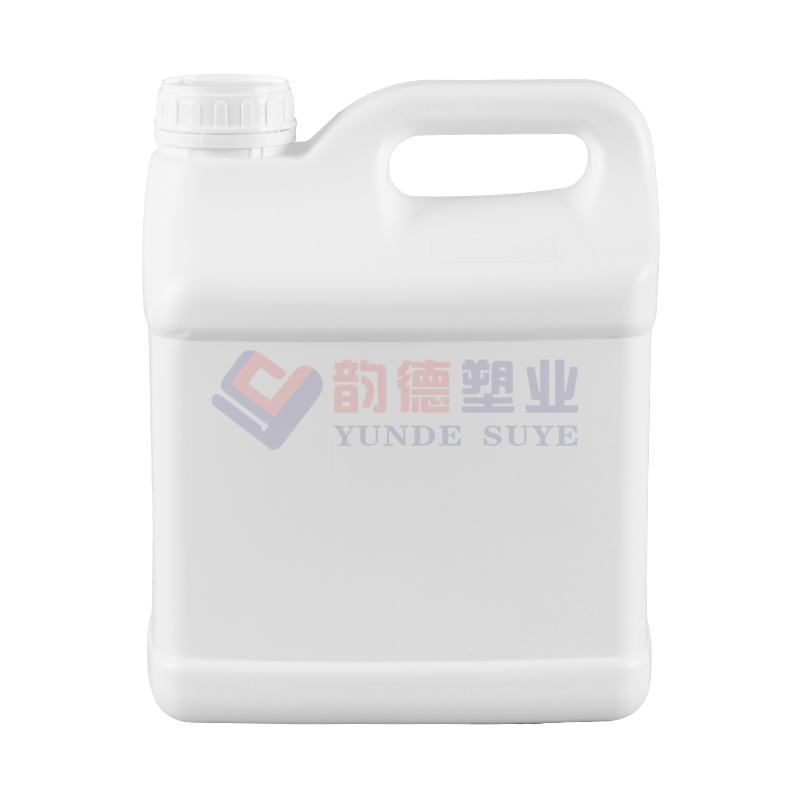
Fluorinated Square Barrels
-
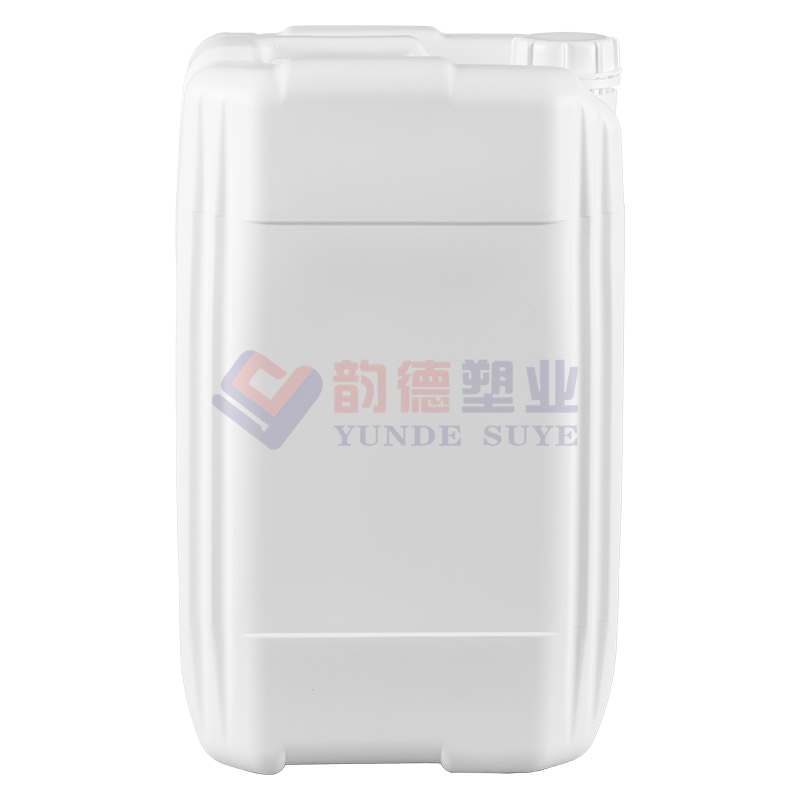
Fluorinated Stacking Barrels
-
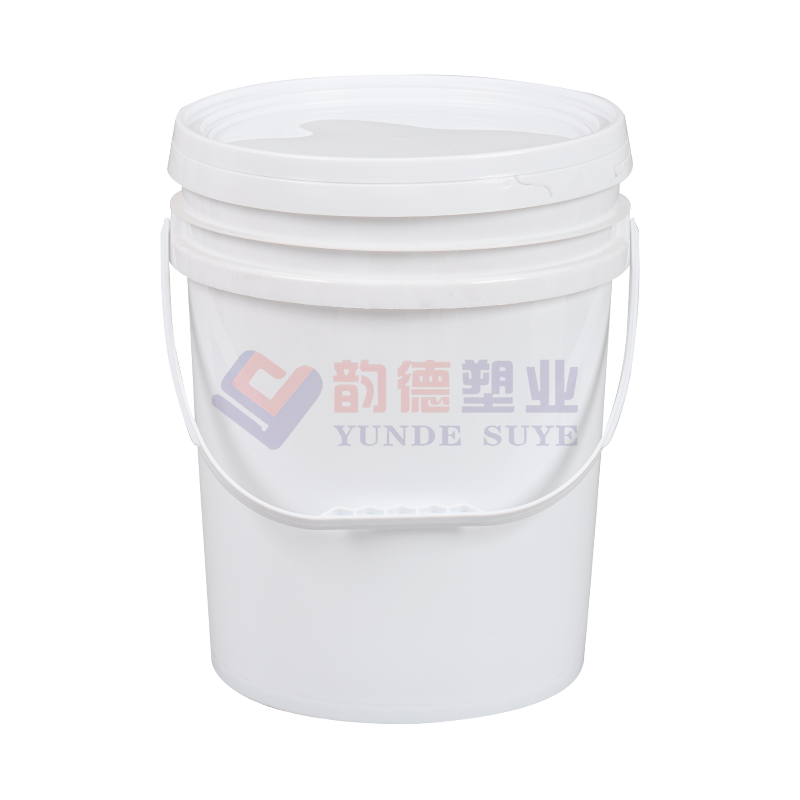
PP Plastic Bucket
-
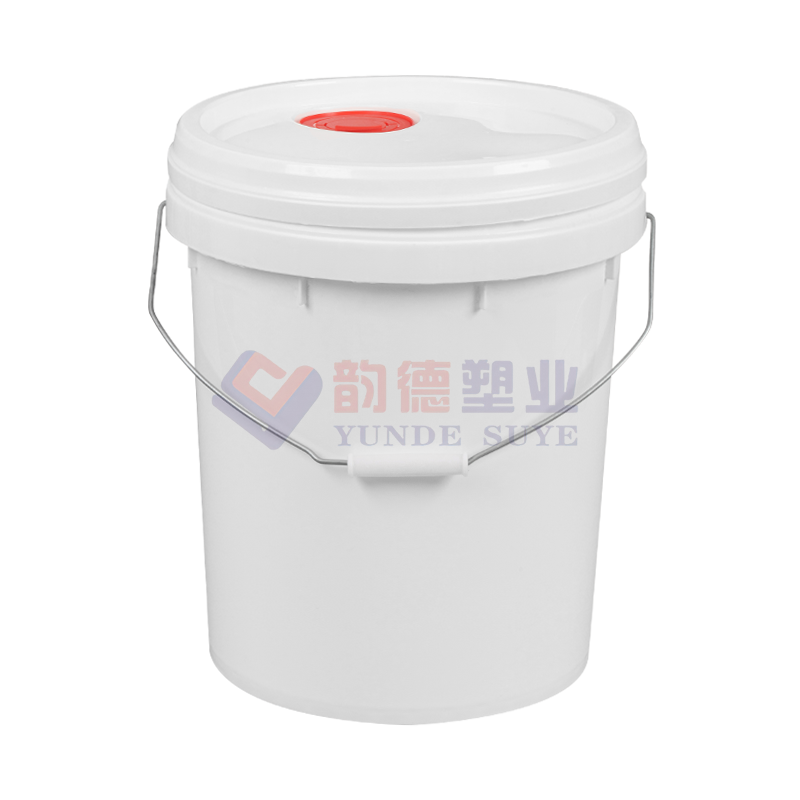
PP Plastic Bucket
-
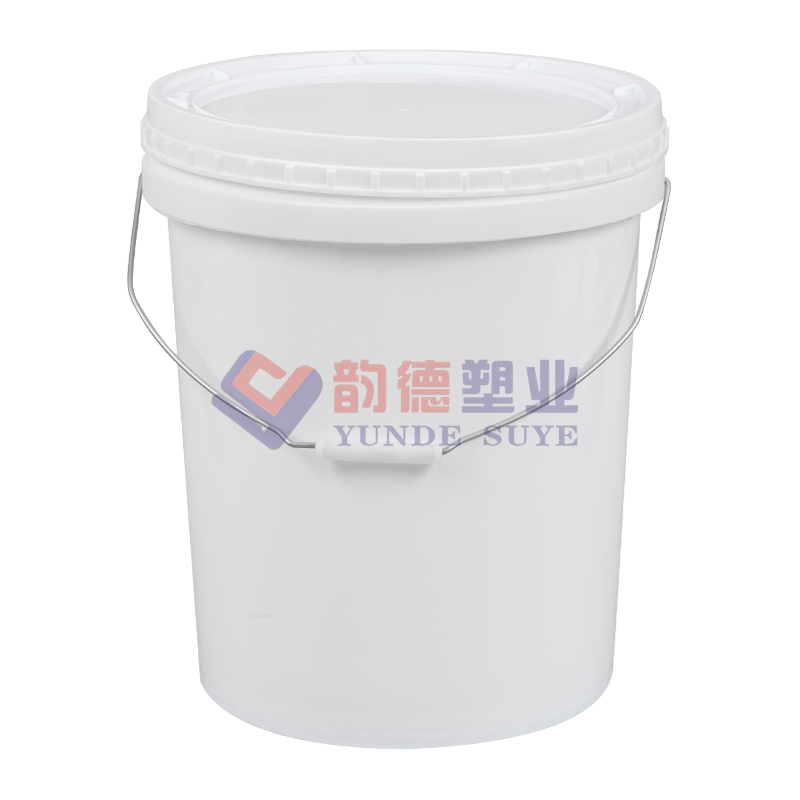
PP Plastic Bucket
-
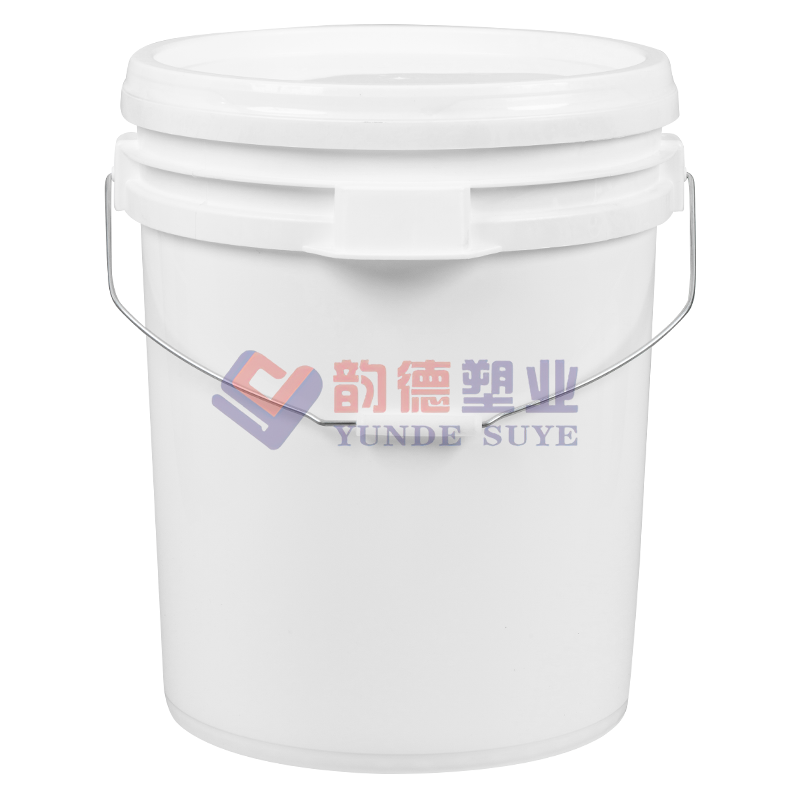
PP Plastic Bucket
LEAVE A MESSAGE
QUICK LINKS
PRODUCTS
CONTACT US
Phone: Ms.jiang
+86-15957492932 / 18058281908
Tel: +86-574-89085869
Ms.zhao: +86-18013378229
E-mail: [email protected]
Address: 588 Songpu Second Road, Cixi Binhai Economic Development Zone, Zhejiang Province (Building 1)
Copyright © Zhejiang Yun De Plastic Technology Co., Ltd. All Rights Reserved.
 Custom HDPE/Fluorination Bottles/Barrels Manufacturers