
 English
 中文简体
中文简体 Español
 عربى
عربىFluorinated Round Bottles
Is an HDPE square barrel suitable for storing industrial liquids, chemicals, or solvents?
Introduction to HDPE Square Barrels
High-Density Polyethylene (HDPE) square barrels are widely utilized in industrial, chemical, and manufacturing settings for the storage and transport of various liquids. Their popularity stems from the combination of chemical resistance, structural integrity, and lightweight properties that HDPE provides. Square barrels, as opposed to round ones, offer better space efficiency during storage and stacking, making them suitable for facilities where maximizing floor and shelf space is essential.
Material Properties of HDPE Relevant to Industrial Storage
HDPE is known for its high molecular density, which results in a solid and non-porous structure. This characteristic makes it resistant to penetration by water, oils, and most chemicals. It also provides excellent impact resistance, ensuring that barrels can withstand the physical stress of transportation and handling. The chemical inertness of HDPE reduces the risk of reactions with stored liquids, which is particularly important for industrial chemicals and solvents that may be reactive or corrosive.
Chemical Compatibility of HDPE Barrels
HDPE barrels are compatible with a broad range of substances, including acids, alkalis, salts, and certain organic solvents. While HDPE is resistant to many chemicals, it is important to verify the compatibility of specific liquids before long-term storage. Certain highly aggressive solvents, such as concentrated aromatics or chlorinated hydrocarbons, may interact with HDPE over extended periods. Most industrial-grade HDPE barrels are manufactured following chemical storage standards to minimize the risk of degradation, deformation, or leakage.
Common Chemicals and HDPE Compatibility
| Chemical Type | HDPE Compatibility | Notes |
|---|---|---|
| Acids (e.g., hydrochloric acid, acetic acid) | High | Concentration should be considered; HDPE performs well with moderate concentrations |
| Alkalis (e.g., sodium hydroxide, potassium hydroxide) | High | HDPE resists corrosion and maintains structural integrity |
| Organic solvents (e.g., ethanol, acetone) | Moderate | Short-term storage is acceptable; long-term exposure may require verification |
| Salts and aqueous solutions | High | Stable and non-reactive under normal storage conditions |
Structural Design and Durability
The square shape of HDPE barrels allows for optimized stacking and reduces wasted space in storage areas. Reinforced walls and ribbing are commonly incorporated into industrial barrels to enhance strength and resist deformation under weight. The barrels are designed to handle internal pressure from liquids while maintaining shape and avoiding leaks. Caps, bungs, and seals are crucial components that complement the barrel’s structure, ensuring a secure closure and minimizing the risk of spills during storage or transportation.
Temperature and Environmental Considerations
HDPE barrels maintain stability over a broad range of temperatures, typically from -40°C to 60°C. This makes them suitable for various industrial environments, including warehouses, shipping containers, and outdoor storage areas. Extreme heat may cause slight expansion, while very low temperatures increase brittleness; however, HDPE’s resilience allows it to recover its shape after moderate thermal fluctuations. Exposure to sunlight over prolonged periods can cause surface degradation unless the barrels are UV-stabilized, a common feature for industrial-grade containers.
Maintenance and Handling Practices
Proper handling and maintenance enhance the safety and longevity of HDPE barrels. Regular inspection for cracks, deformations, or compromised seals is essential, particularly for barrels storing reactive or hazardous chemicals. Cleaning procedures must be compatible with HDPE’s chemical resistance; neutral or mild cleaning agents are recommended. Proper stacking and support during storage prevent excessive stress on the barrel walls, reducing the risk of structural failure.
Safety Considerations
Using HDPE barrels for industrial liquids requires attention to safety protocols. Spillage, leakage, or chemical reactions can pose risks to personnel and the environment. Barrels should be clearly labeled with the type of liquid stored, and storage areas should include secondary containment systems to manage potential leaks. Ensuring that caps and seals are tightly fitted prevents vapor release, contamination, or accidental mixing of chemicals. HDPE barrels are generally considered safe for chemical storage when appropriate handling measures are followed.
Applications in Industry
HDPE square barrels are extensively used across multiple sectors, including manufacturing, pharmaceuticals, agriculture, and chemical processing. They can store bulk liquids, cleaning agents, solvents, and industrial intermediates. Their chemical resistance and structural durability make them suitable for both stationary storage and transport applications. The efficiency of stacking square barrels allows industries to optimize warehouse space and facilitate safer logistics operations.
Long-Term Performance
When used within recommended chemical and temperature ranges, HDPE barrels provide reliable performance over many years. Their resistance to corrosion, leakage, and structural deformation ensures that stored liquids remain uncontaminated. Routine inspections, proper cleaning, and adherence to storage guidelines extend their usability. HDPE barrels are often preferred in industrial settings for their balance of chemical compatibility, strength, and cost-effectiveness.
Related Products
-
-
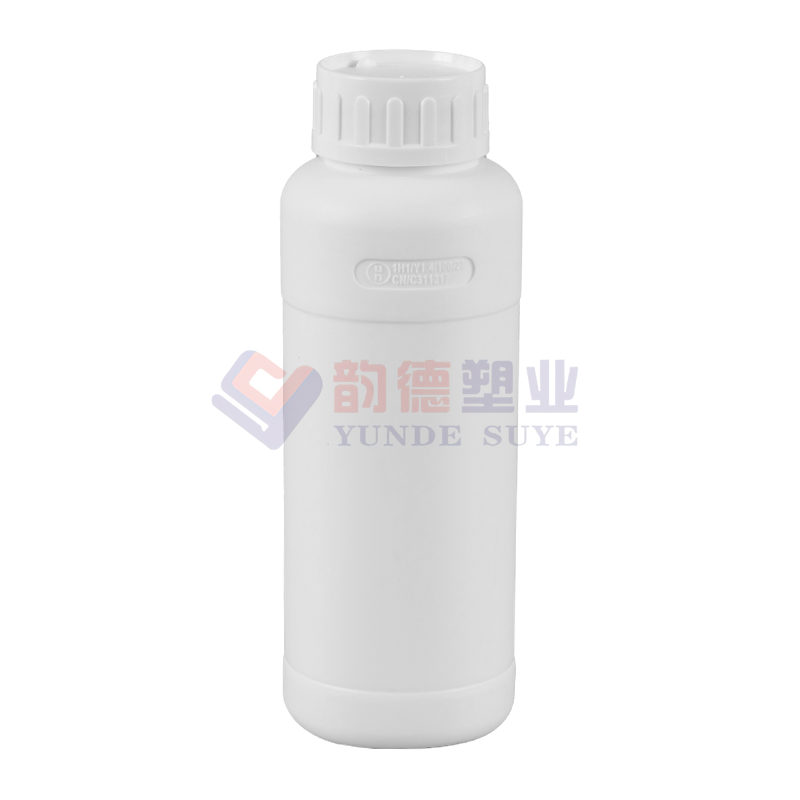
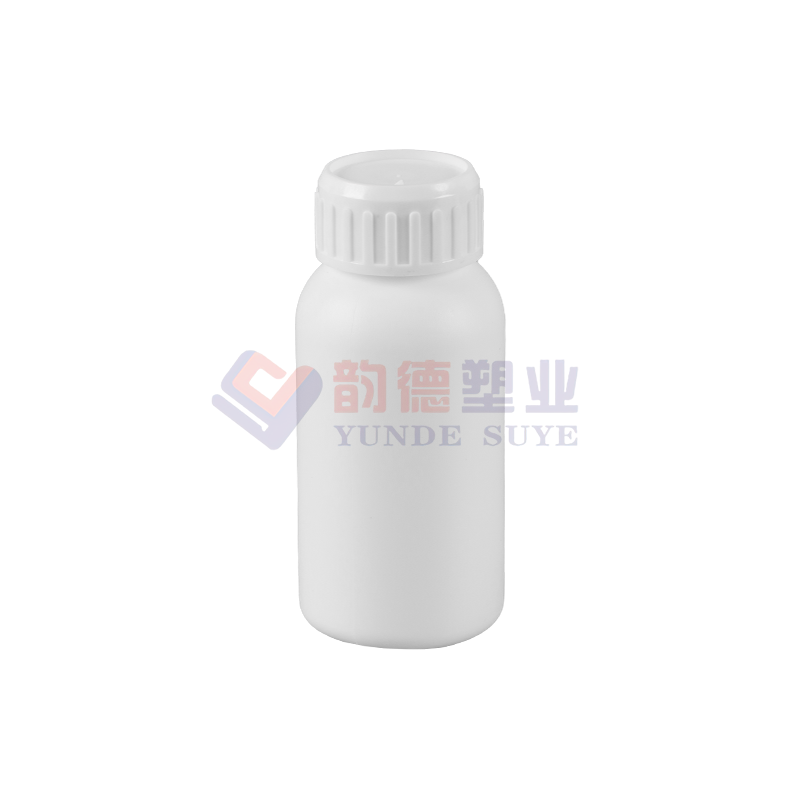
Fluorinated Round Bottles
-
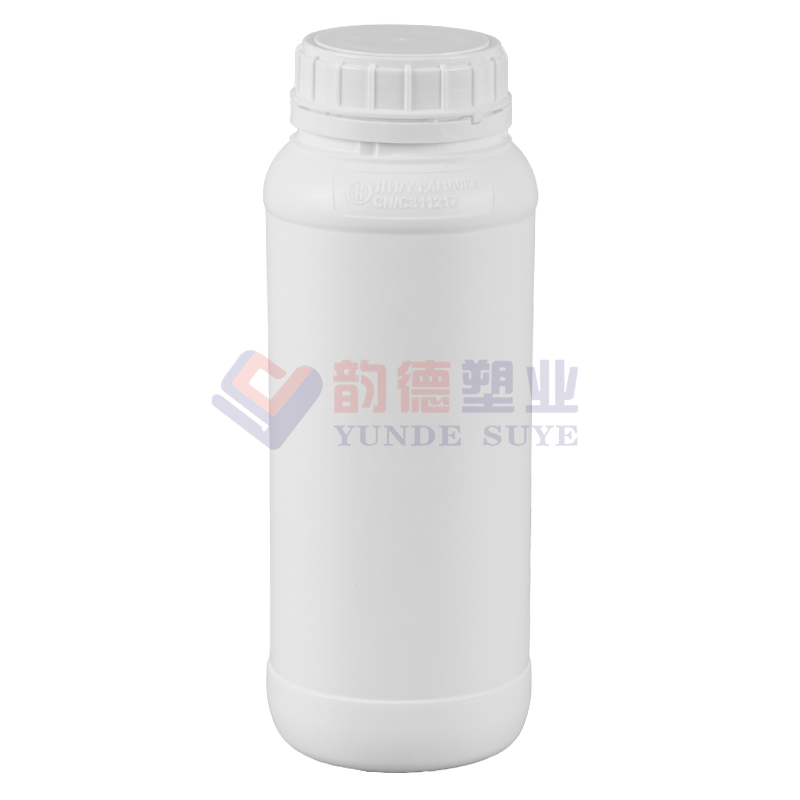
Fluorinated Round Bottles
-
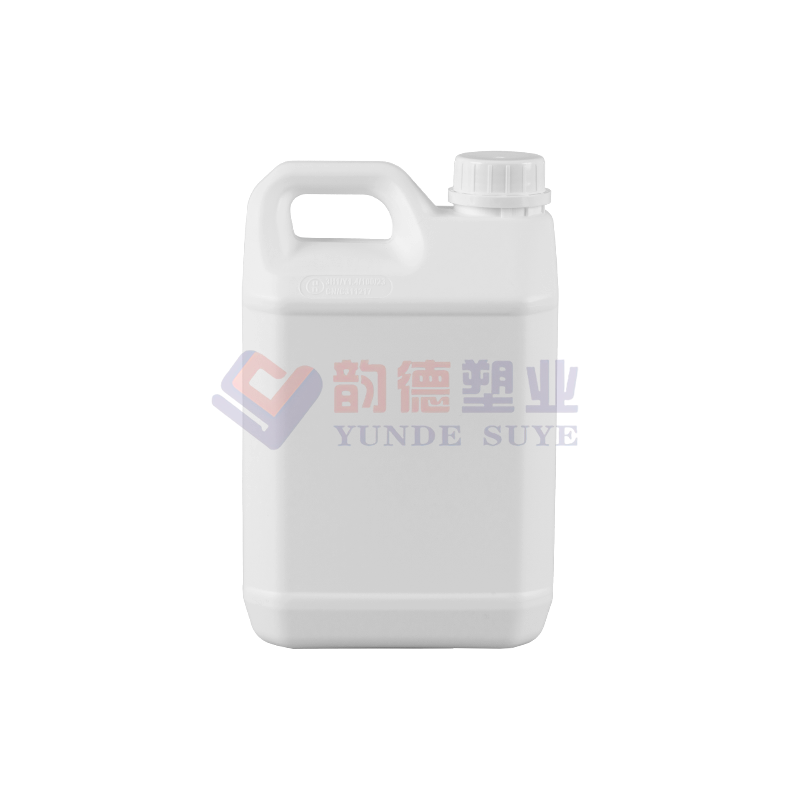
HDPE Square Barrel
-
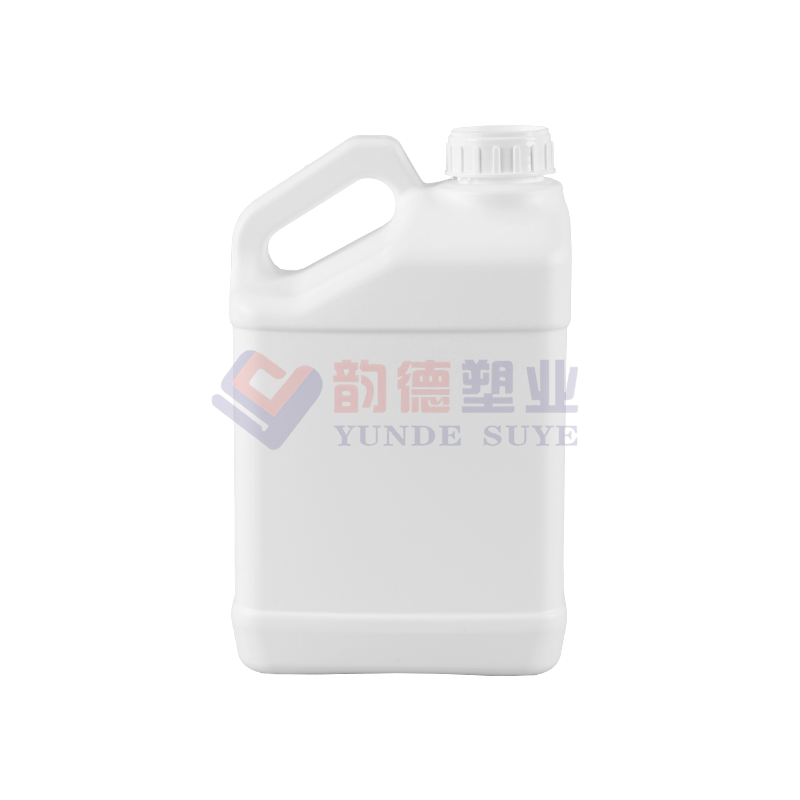
HDPE Square Barrel
-
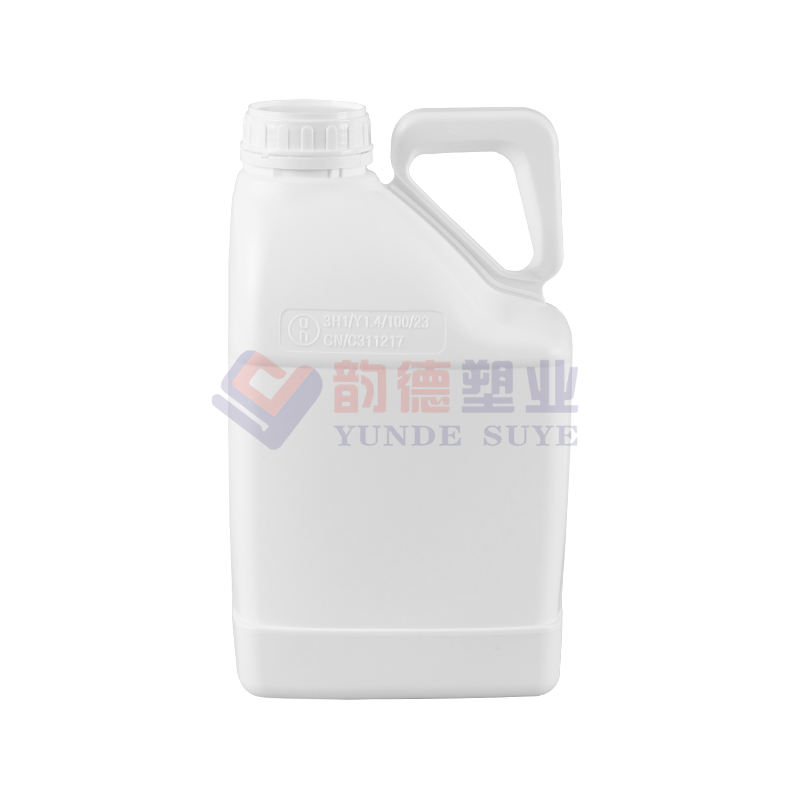
Fluorinated Square Barrels
-
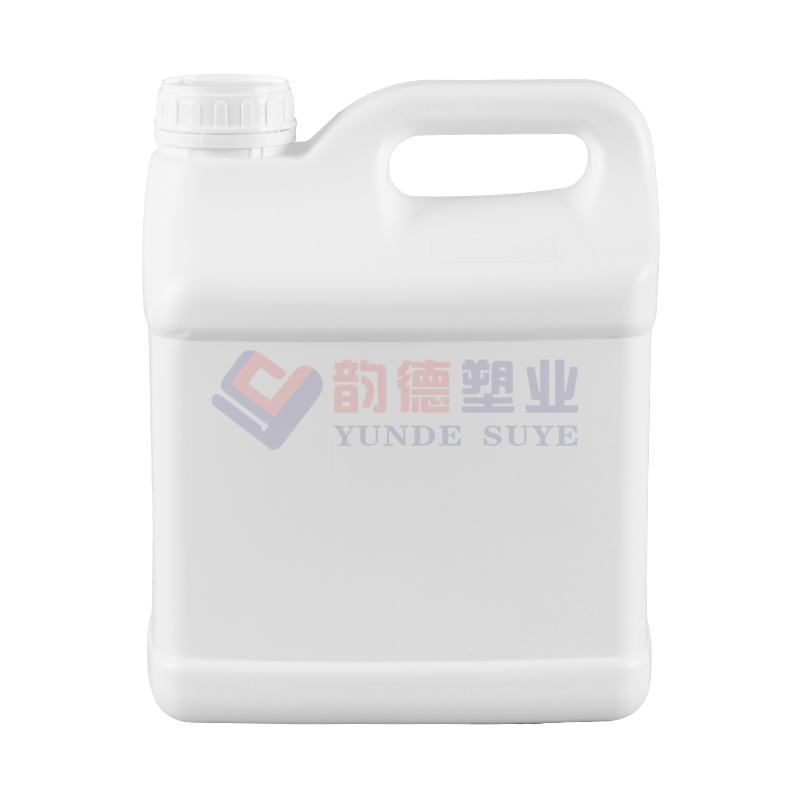
Fluorinated Square Barrels
-
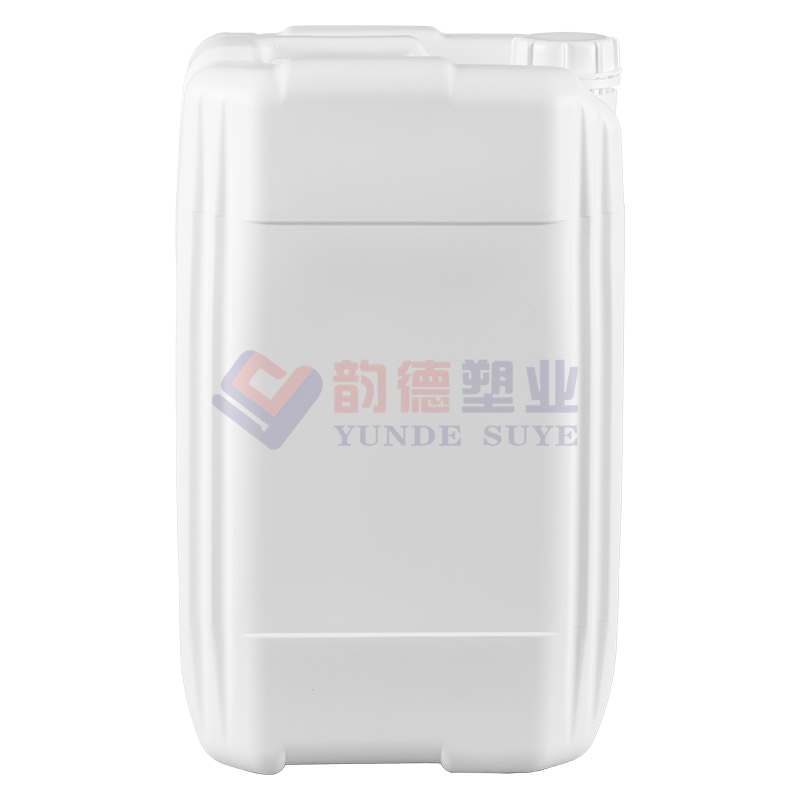
Fluorinated Stacking Barrels
-
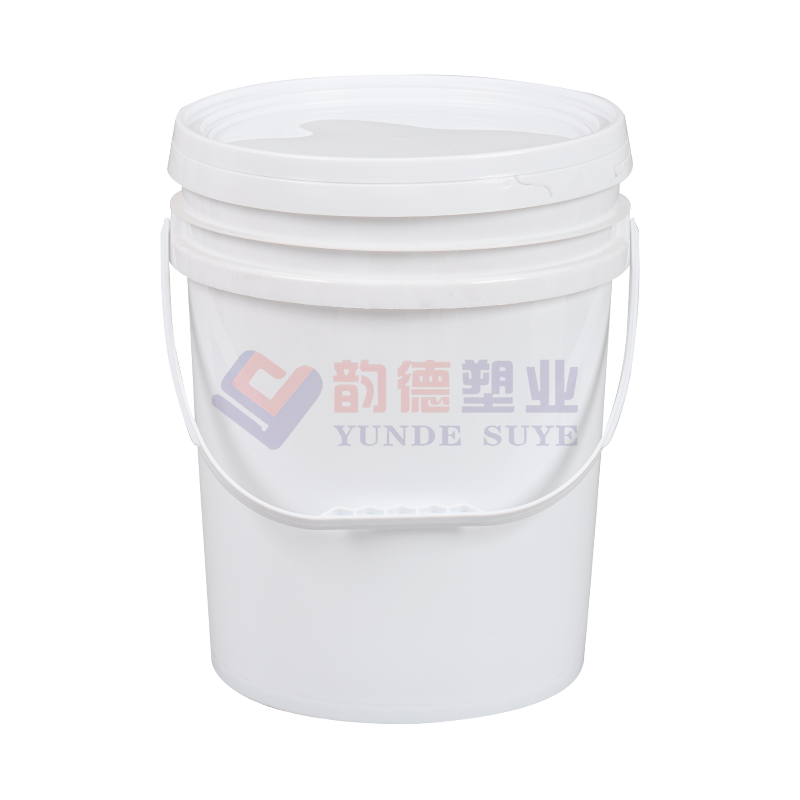
PP Plastic Bucket
-
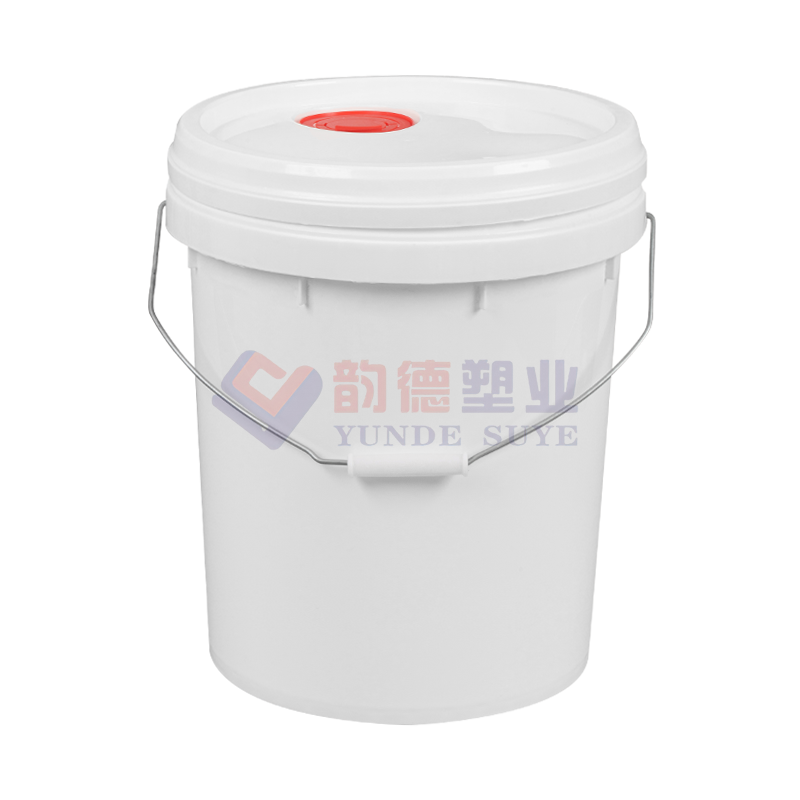
PP Plastic Bucket
-
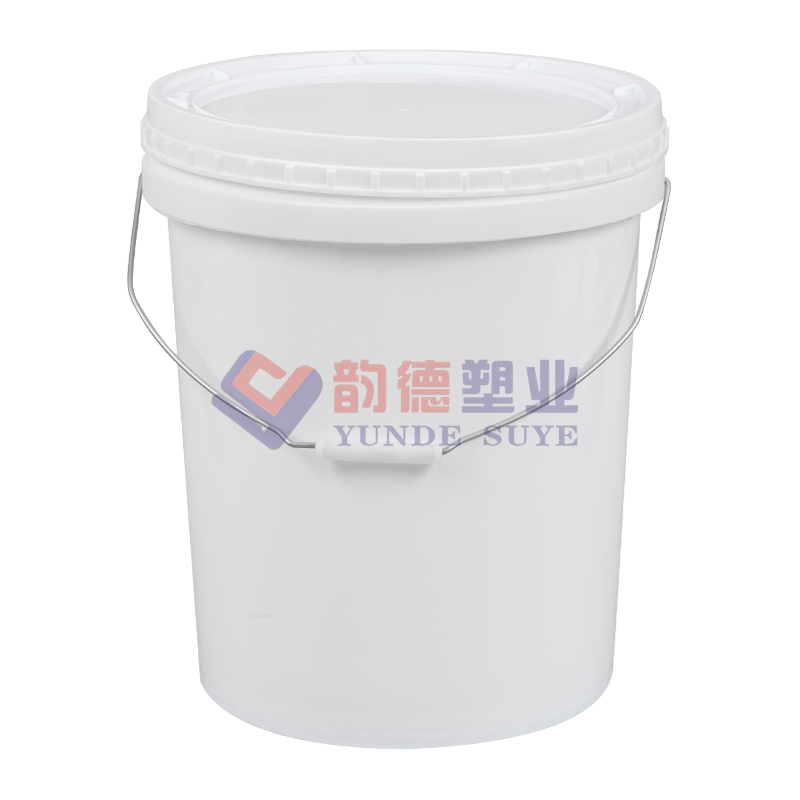
PP Plastic Bucket
-
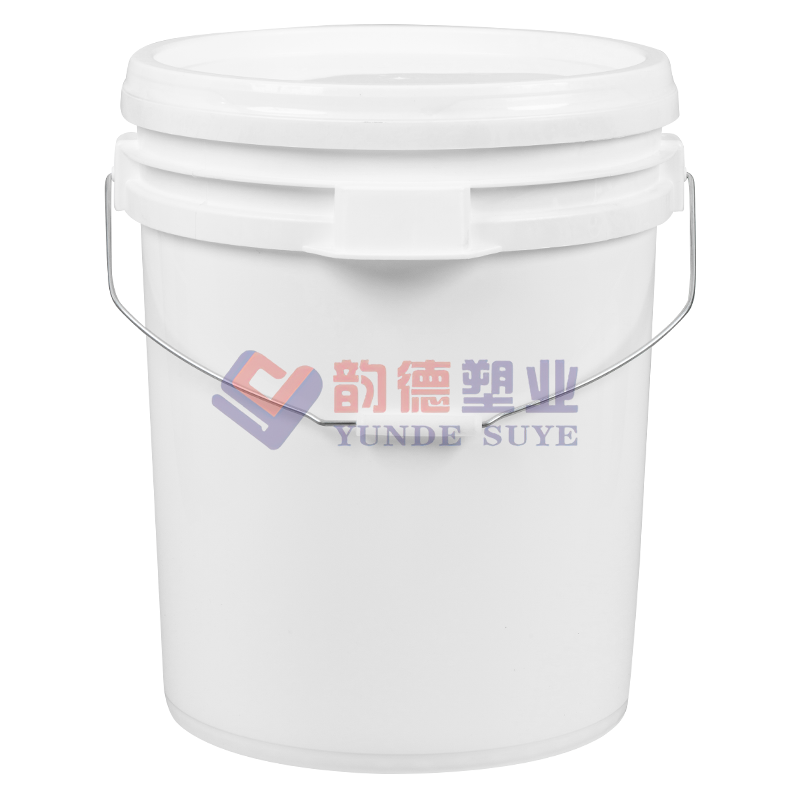
PP Plastic Bucket
LEAVE A MESSAGE
QUICK LINKS
PRODUCTS
CONTACT US
Phone: Ms.jiang
+86-15957492932 / 18058281908
Tel: +86-574-89085869
Ms.zhao: +86-18013378229
E-mail: [email protected]
Address: 588 Songpu Second Road, Cixi Binhai Economic Development Zone, Zhejiang Province (Building 1)
Copyright © Zhejiang Yun De Plastic Technology Co., Ltd. All Rights Reserved.
 Custom HDPE/Fluorination Bottles/Barrels Manufacturers