
 English
 中文简体
中文简体 Español
 عربى
عربىFluorinated Round Bottles
Fluorinated Round Bottles: Why More Manufacturers Are Asking for Them
If you’re supplying packaging to chemical, agrochemical, automotive, or specialty fluid industries, chances are you’ve heard this question lately:
“Can a normal plastic bottle really hold this product safely?”
That question is exactly why fluorinated round bottles are getting more attention. They’re not a new invention, but the demand for them is growing fast—mainly because the liquids going inside bottles are getting more aggressive, more regulated, and less forgiving.
This article isn’t about hype. It’s about what fluorinated round bottles actually are, when they make sense, and what manufacturers should really be thinking about before offering or sourcing them.
So, What Exactly Is a Fluorinated Round Bottle?
At first glance, a fluorinated round bottle looks just like a standard HDPE or plastic bottle. Same shape, same handling, same filling process.
The difference is on the inside.
Fluorination is a surface treatment process that modifies the inner (and sometimes outer) layer of the plastic bottle. It creates a thin fluorinated barrier that dramatically improves resistance to chemical permeation.
In plain terms, the bottle becomes much better at holding strong, volatile, or solvent-based liquids without leaking, swelling, or letting vapors escape.
This makes fluorinated bottles feel “normal” to users—but behave very differently under the hood.
Why Is This Such a Big Deal for Manufacturers?
Because leaks, odor loss, and chemical migration are expensive problems.
When a bottle fails in the field, it’s not just a packaging issue. It can mean:
- - Product evaporation or degradation
- - Safety complaints or regulatory trouble
- - Transport restrictions or rejected shipments
- - Brand damage that’s hard to fix
Fluorinated round bottles help reduce those risks. They’re often used not because customers want something fancy, but because they can’t afford failure.
For manufacturers, offering fluorinated options also opens doors to higher-value markets that standard bottles simply can’t serve.
When Do Fluorinated Round Bottles Make Sense?
Not every product needs fluorination. That’s an important point.
These bottles are typically used when packaging:
- - Agrochemicals like pesticides and herbicides
- - Automotive fluids such as fuel additives and brake fluids
- - Industrial chemicals and solvents
- - Specialty cleaners and coatings
- - Certain pharmaceutical or laboratory liquids
If a liquid has strong odor, high volatility, or aggressive chemical behavior, fluorinated bottles quickly move from “optional” to “necessary.”
They’re also used when products need long shelf life or must pass strict transportation regulations.
How Does the Fluorination Process Actually Work?
This is where things get interesting for manufacturers.
It Starts with a Standard Bottle
Most fluorinated round bottles begin as regular HDPE or similar plastic containers. They’re blow-molded just like any other bottle.
This is good news because it means existing molds, shapes, and filling lines often don’t need major changes.
The Fluorination Treatment
After molding, bottles go through a fluorination chamber. Inside, a controlled fluorine-based gas reacts with the surface of the plastic.
This reaction modifies the molecular structure at the surface, creating a dense barrier layer. The bulk plastic stays the same, but the surface behaves very differently.
Barrier Performance Without Extra Layers
Unlike multilayer bottles, fluorinated bottles don’t rely on glued or co-extruded layers. The barrier is part of the surface itself.
That means no delamination issues and a more uniform barrier, even in complex shapes.
What Are the Real Advantages of Fluorinated Round Bottles?
From a manufacturer’s point of view, the benefits are practical, not theoretical.
Improved Chemical Resistance
The fluorinated surface resists attack from solvents and aggressive formulations that would normally permeate plastic.
Reduced Permeation and Odor Loss
Fluorination significantly lowers vapor transmission. This helps maintain product strength and prevents strong smells from escaping.
Regulatory and Transport Benefits
Many fluorinated bottles meet higher standards for hazardous material transport, making logistics smoother.
Design Continuity
Manufacturers can keep round bottle designs that customers already like, without switching to metal or glass.
What Are the Trade-Offs to Be Aware Of?
Fluorinated round bottles solve problems—but they also introduce new considerations.
Higher Unit Cost
The fluorination step adds cost compared to standard bottles. This usually makes sense for high-value or high-risk liquids, but not for low-margin products.
Process Control Matters
Inconsistent fluorination leads to uneven barrier performance. Quality control is critical.
Not a Cure-All
Fluorination improves resistance, but it doesn’t make plastic indestructible. Extreme chemicals may still require alternative packaging.
Recycling Questions
Some markets raise concerns about recycling fluorinated plastics. Clear communication and compliance documentation help address this.
What Should Manufacturers Pay Attention To?
This is where many projects succeed or fail.
Understand the Actual Chemical Inside
Not all “harsh” liquids behave the same. Testing with the real formulation—not just a similar one—is essential.
Match Bottle Design to Application
Wall thickness, neck finish, and closure compatibility all affect performance, especially under pressure or temperature changes.
Work with Experienced Fluorination Partners
Fluorination isn’t just a checkbox process. Equipment, gas control, and validation methods vary widely between suppliers.
Don’t Oversell Fluorination
Customers appreciate honesty. Fluorination improves performance, but it doesn’t eliminate the need for proper handling and storage.
How Is the Market Changing?
Demand for fluorinated round bottles is growing quietly, driven by regulation and product complexity rather than trends.
Manufacturers are seeing more requests for:
- - Smaller batch fluorinated runs
- - Custom bottle shapes with barrier protection
- - Clear documentation for compliance and testing
- - Long-term supply consistency
This is pushing packaging suppliers to upgrade capabilities, not just expand catalogs.
Final Thoughts
Fluorinated round bottles are a practical response to a real problem: modern liquids are tougher on packaging than ever before.
For manufacturers, they’re not about adding another SKU. They’re about protecting products, reducing risk, and meeting customer expectations that keep getting higher.
The key isn’t asking, “Do we offer fluorinated bottles?”
The real question is, “Do we understand when—and why—our customers actually need them?”
Related Products
-
-
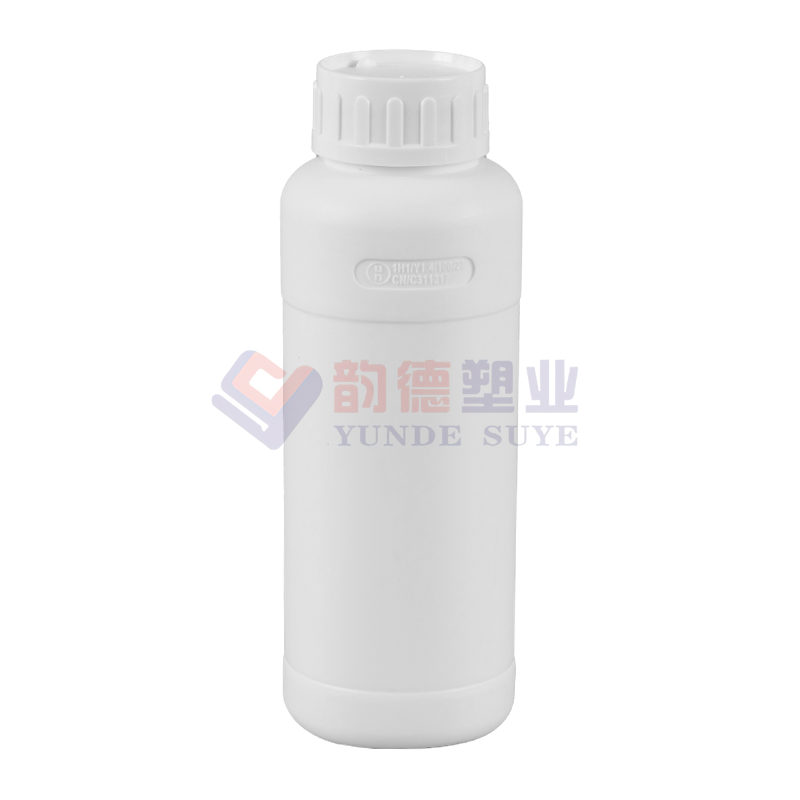
Fluorinated Round Bottles
-
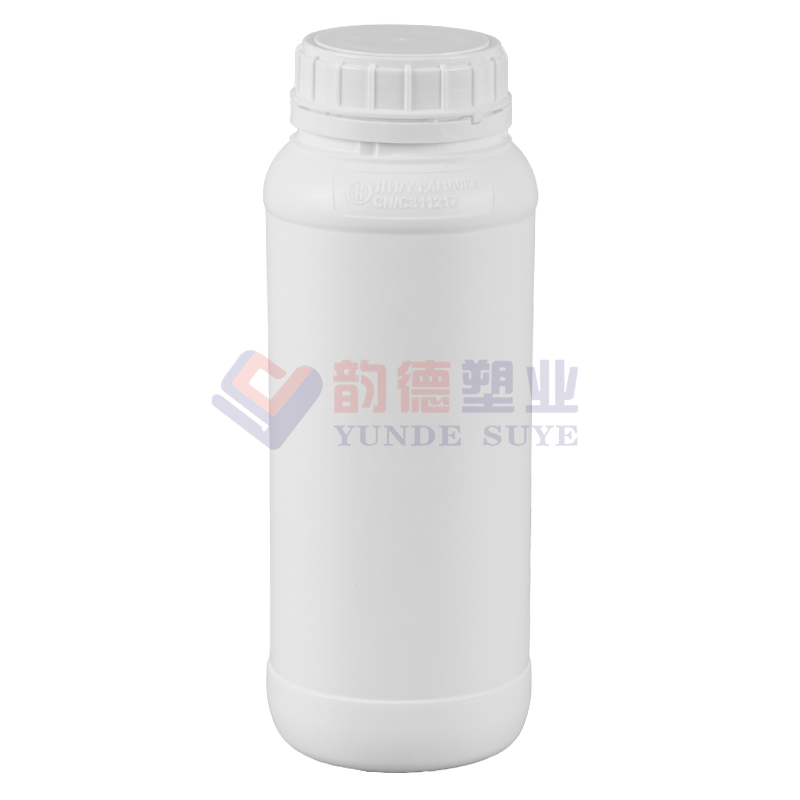
Fluorinated Round Bottles
-
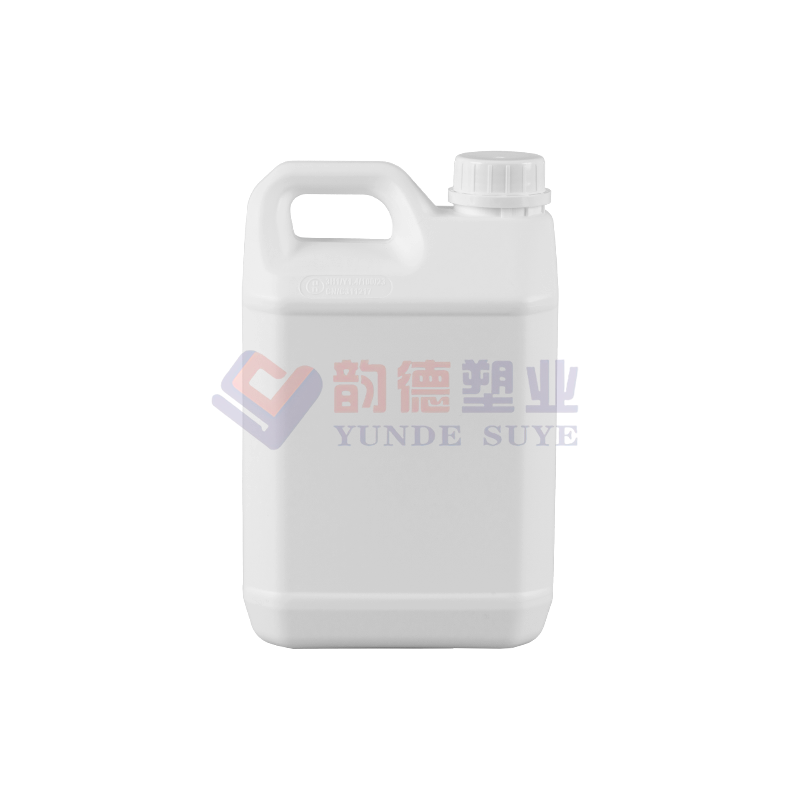
HDPE Square Barrel
-
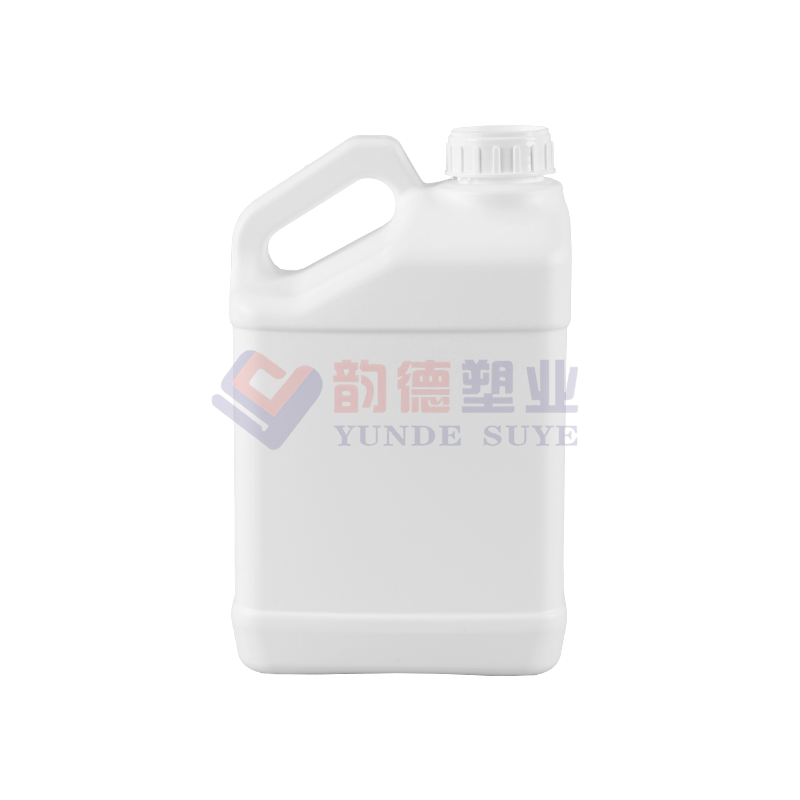
HDPE Square Barrel
-
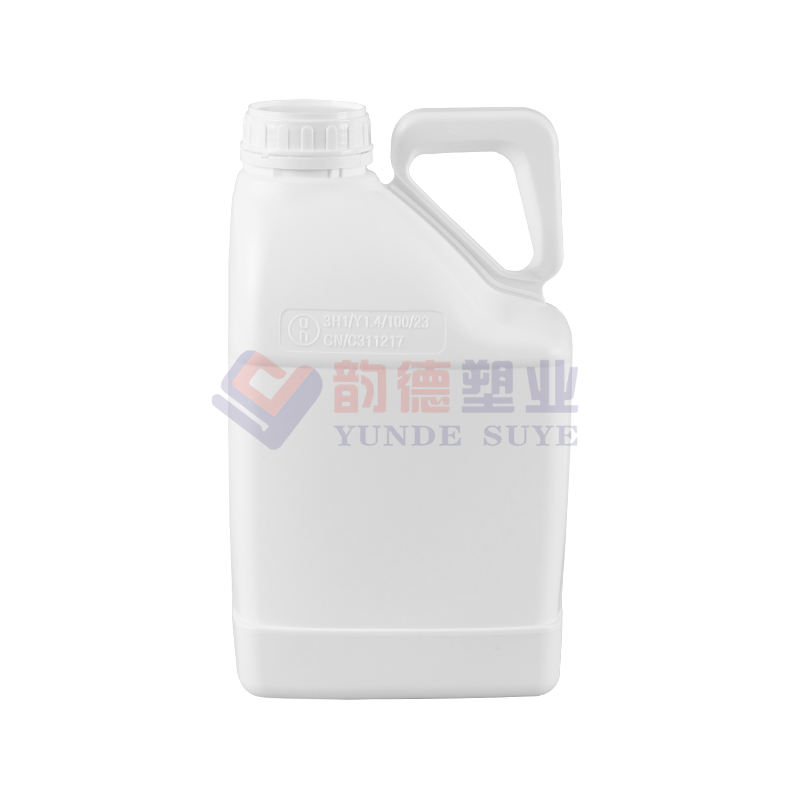
Fluorinated Square Barrels
-
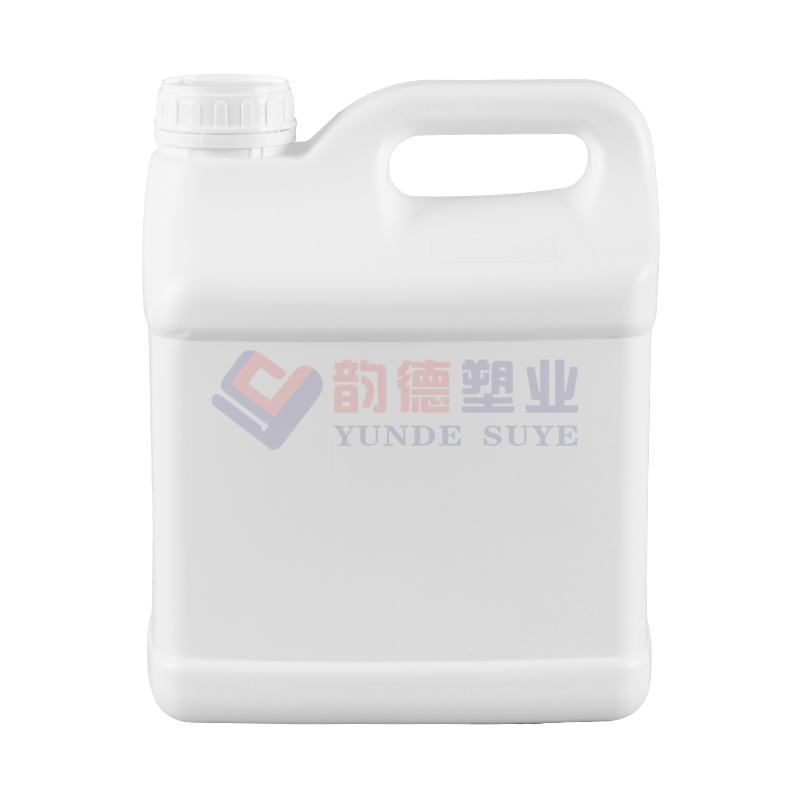
Fluorinated Square Barrels
-
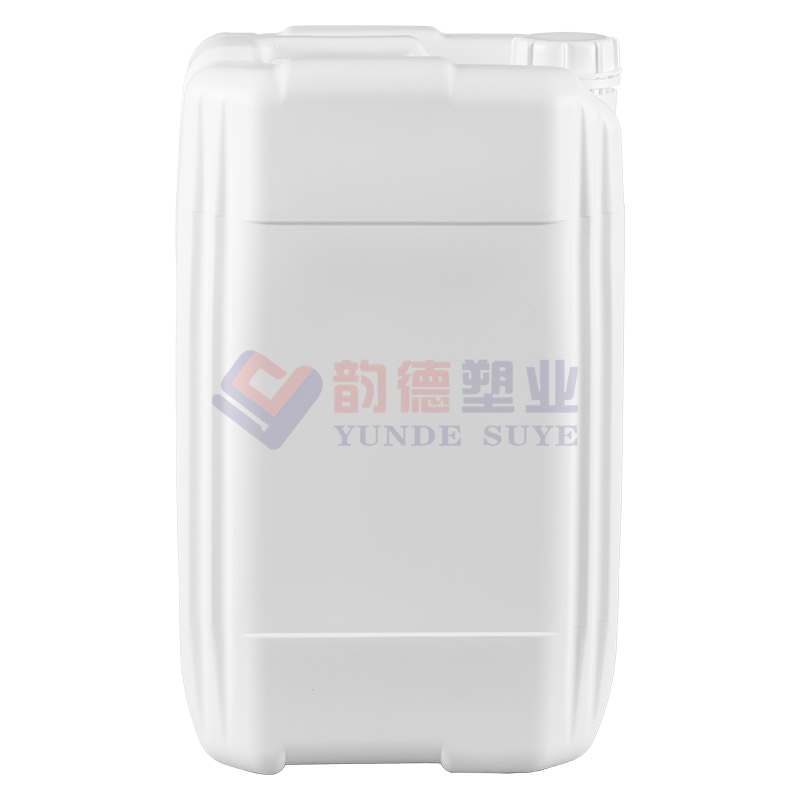
Fluorinated Stacking Barrels
-
PP Plastic Bucket
-
PP Plastic Bucket
-
PP Plastic Bucket
-
PP Plastic Bucket
LEAVE A MESSAGE
QUICK LINKS
PRODUCTS
CONTACT US
Phone: Ms.jiang
+86-15957492932 / 18058281908
Tel: +86-574-89085869
Ms.zhao: +86-18013378229
E-mail: [email protected]
Address: 588 Songpu Second Road, Cixi Binhai Economic Development Zone, Zhejiang Province (Building 1)
Copyright © Zhejiang Yun De Plastic Technology Co., Ltd. All Rights Reserved.
 Custom HDPE/Fluorination Bottles/Barrels Manufacturers