
 English
 中文简体
中文简体 Español
 عربى
عربىFluorinated Round Bottles
Does the HDPE square barrel have anti-aging properties?
Introduction to HDPE Square Barrels
High-Density Polyethylene (HDPE) is a thermoplastic polymer widely used for manufacturing various products, including containers, pipes, and barrels. HDPE's inherent properties such as high strength, low density, and resistance to chemicals and moisture make it an ideal material for products that require durability and long-term performance. Square barrels made from HDPE are commonly used for storing and transporting a variety of substances, from industrial chemicals to food products. The key characteristics of HDPE square barrels, such as their resistance to impact, chemicals, and environmental stress, contribute to their widespread use. However, one question that arises often is whether HDPE square barrels have anti-aging properties, particularly given the exposure to sunlight, heat, and environmental elements over time.
Understanding the Aging Process of Materials
Aging, in the context of materials, refers to the gradual degradation of physical, chemical, or mechanical properties over time, primarily due to environmental factors such as temperature, sunlight, moisture, and chemical exposure. For polymers like HDPE, aging typically manifests in a variety of ways, including embrittlement, discoloration, reduced strength, and changes in flexibility. When discussing the anti-aging properties of HDPE square barrels, it is important to understand the factors that contribute to the aging process of HDPE itself and how it can be mitigated in barrel applications.
The Impact of UV Radiation on HDPE
One of the primary environmental factors that contribute to the aging of HDPE materials is ultraviolet (UV) radiation from sunlight. UV radiation can break down the chemical bonds in polymers, causing a process called photodegradation. Over time, exposure to UV rays can lead to the weakening of HDPE's molecular structure, making it more prone to cracking, discoloration, and loss of impact resistance.
For HDPE square barrels used outdoors or in environments exposed to direct sunlight, UV radiation can significantly affect the long-term performance of the material. However, HDPE can be treated with UV stabilizers or additives that absorb or block UV radiation, protecting the material from degradation. These stabilizers can help preserve the integrity of the material and maintain the HDPE square barrel's durability over a longer period of time. Therefore, while HDPE is naturally vulnerable to UV damage, the addition of UV stabilizers can effectively enhance its anti-aging properties.
The Role of Additives in Improving Anti-Aging Properties
To improve the anti-aging characteristics of HDPE square barrels, manufacturers often incorporate various additives during the production process. These additives include UV stabilizers, antioxidants, and other chemical agents that help protect the material from the harmful effects of UV radiation, heat, and oxidation.
UV stabilizers are compounds that absorb or reflect UV radiation, preventing the polymer chains in HDPE from breaking down. By incorporating these stabilizers, the material can retain its physical and mechanical properties for an extended period of time, even under constant exposure to sunlight. Antioxidants, on the other hand, help prevent the oxidation of HDPE, which can lead to cracking and the loss of flexibility. The presence of these additives not only enhances the material’s resistance to environmental aging but also contributes to maintaining the structural integrity and appearance of the HDPE square barrel throughout its service life.
Temperature and Its Effect on HDPE Square Barrels
Temperature is another critical factor that affects the aging of HDPE square barrels. High temperatures can accelerate the degradation of HDPE by increasing the rate of chemical reactions that lead to material breakdown. Over time, exposure to elevated temperatures can cause HDPE to become brittle, lose its flexibility, and develop cracks.
While HDPE is known for its good thermal stability in a wide range of temperatures, prolonged exposure to extreme heat can still result in aging. For HDPE square barrels used in hot environments, manufacturers may choose to incorporate heat stabilizers into the polymer mix. These stabilizers work by absorbing heat and preventing the material from undergoing thermal degradation. Furthermore, the design of the barrel can play a role in minimizing the impact of temperature fluctuations, such as by ensuring proper insulation or using reflective coatings to reduce heat absorption.
Moisture and Chemical Resistance in HDPE Square Barrels
One of the key advantages of HDPE is its excellent resistance to moisture and chemicals. HDPE square barrels are often used in applications where exposure to liquids, including corrosive substances, is common. Moisture and chemical exposure can contribute to the aging process of many materials, leading to corrosion, swelling, or loss of structural integrity. However, HDPE’s inherent resistance to water and a broad range of chemicals makes it an ideal material for storage containers in wet or chemically harsh environments.
Even though HDPE is resistant to many chemicals and moisture, prolonged exposure to certain aggressive chemicals, such as strong acids or bases, can lead to a gradual weakening of the material over time. In such cases, the material may become brittle or lose its ability to retain its shape. To counteract this, HDPE square barrels can be specially designed or treated with additional coatings or barriers to resist chemical attack, thereby improving their durability and reducing the risk of aging due to chemical exposure.
The Benefits of HDPE’s Molecular Structure
The molecular structure of HDPE contributes significantly to its resistance to aging. HDPE is composed of long chains of polyethylene molecules that are densely packed, giving it a high strength-to-density ratio. This dense structure contributes to HDPE’s overall resistance to environmental stress and degradation. However, when exposed to factors like UV radiation, high temperatures, or chemical exposure over time, the polymer chains in HDPE can break down, leading to the aging process.
HDPE’s molecular structure can also be influenced by additives that enhance its anti-aging properties. For example, the inclusion of anti-oxidant additives helps maintain the stability of the polymer chains, while UV stabilizers preserve the integrity of the material by blocking harmful radiation. These enhancements make HDPE a highly versatile and durable material for products like square barrels, which require long-term performance in challenging environmental conditions.
Real-World Performance of HDPE Square Barrels
In real-world applications, HDPE square barrels are often subjected to various stresses that contribute to their aging. For instance, barrels used outdoors in warehouses, transportation, or agricultural settings may experience a combination of UV radiation, temperature fluctuations, and exposure to chemicals or moisture. In such cases, the durability of HDPE square barrels depends on their design, material composition, and any additional protective measures taken during manufacturing.
HDPE square barrels that are exposed to harsh conditions over an extended period may show signs of aging, such as fading, surface cracking, or a loss of flexibility. However, the rate of degradation can be significantly slowed down by incorporating the right additives, ensuring proper maintenance, and using the barrels within the recommended environmental parameters. For example, keeping the barrels in shaded or cooler areas, reducing exposure to direct sunlight, and using UV-resistant coatings can all help extend the lifespan of HDPE square barrels.
Maintenance and Care for HDPE Square Barrels
While HDPE square barrels have inherent anti-aging properties, proper maintenance can further extend their service life. To prevent premature aging, it is important to regularly inspect the barrels for signs of wear and damage, particularly if they are used outdoors or in environments exposed to high levels of UV radiation or extreme temperatures. If the barrels are used for chemical storage, checking for leaks or cracks is essential to ensure that the barrel continues to perform effectively.
In addition to periodic inspections, cleaning and storing the barrels properly can help prevent environmental damage. For example, it is important to avoid using harsh cleaning chemicals that may degrade the HDPE material. Instead, gentle cleaning methods and non-abrasive tools should be used to maintain the barrel’s appearance and performance. Storing HDPE square barrels in cool, shaded areas can also reduce the effects of UV radiation and temperature extremes, which helps prevent the material from aging prematurely.
Related Products
-
-
Fluorinated Round Bottles
-
Fluorinated Round Bottles
-
HDPE Square Barrel
-
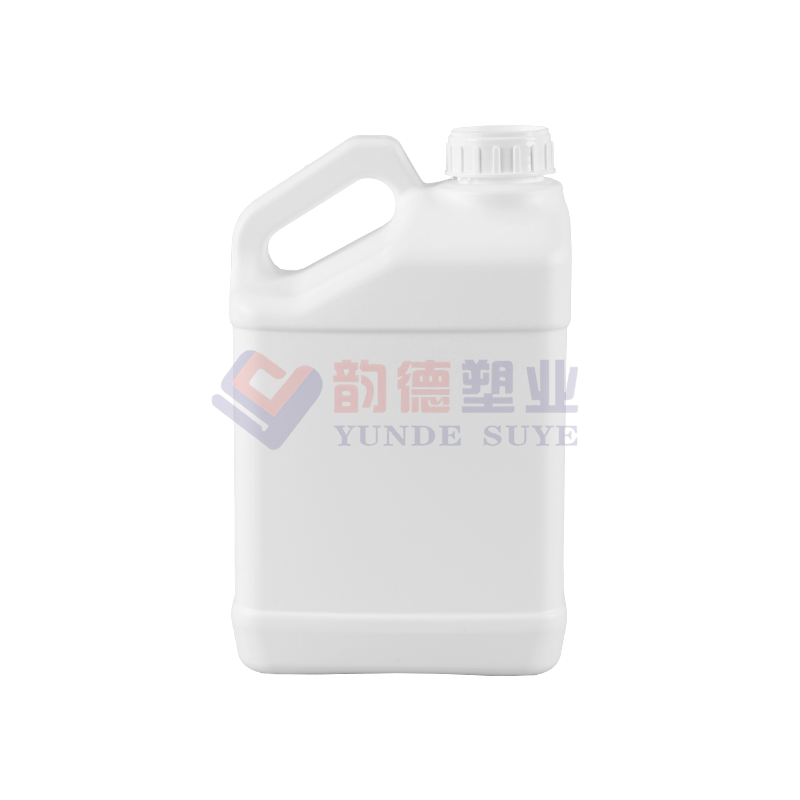
HDPE Square Barrel
-
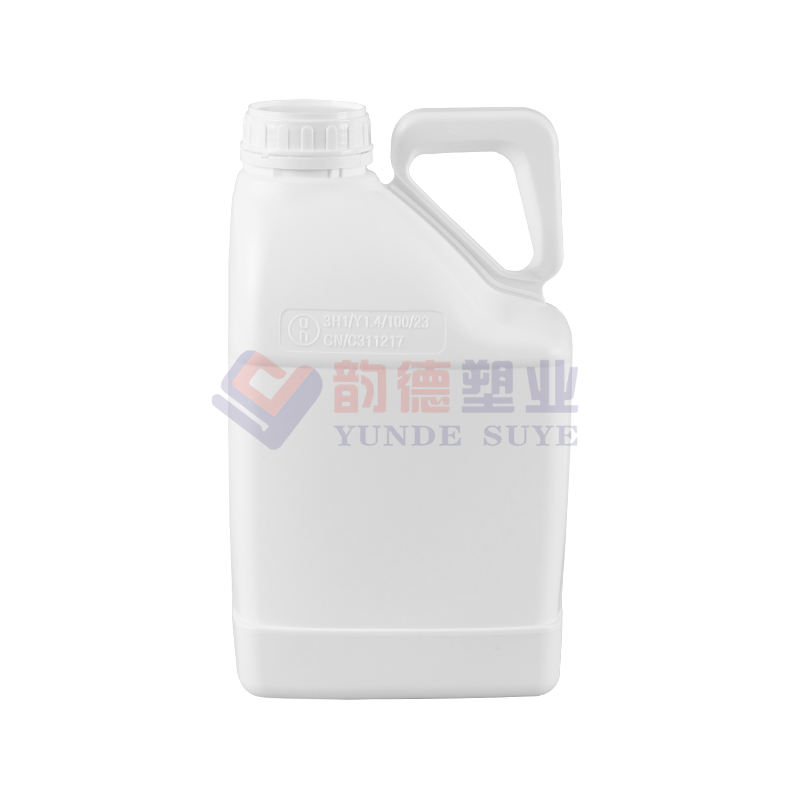
Fluorinated Square Barrels
-
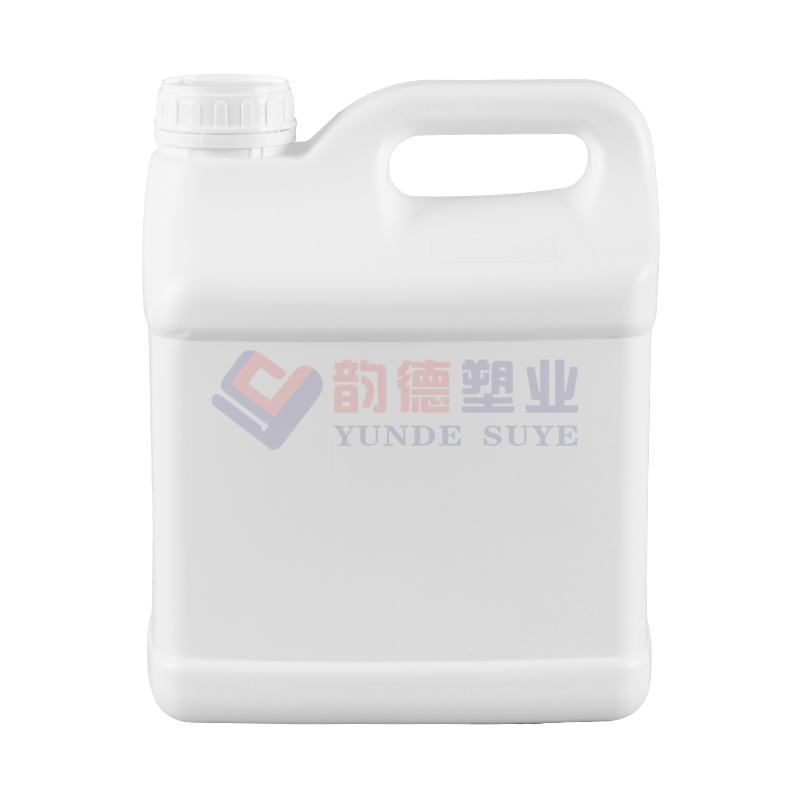
Fluorinated Square Barrels
-
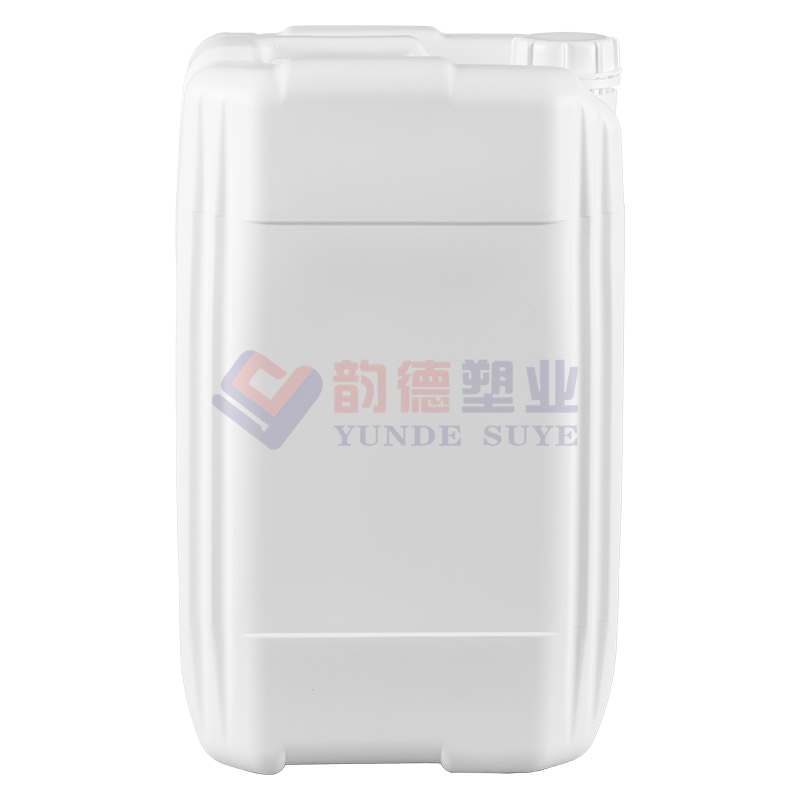
Fluorinated Stacking Barrels
-
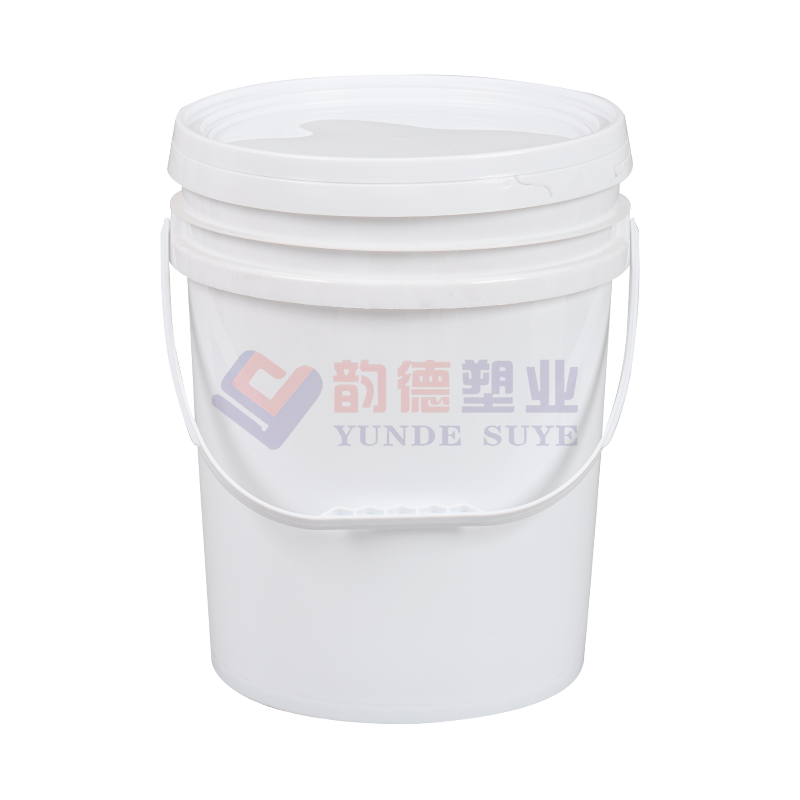
PP Plastic Bucket
-
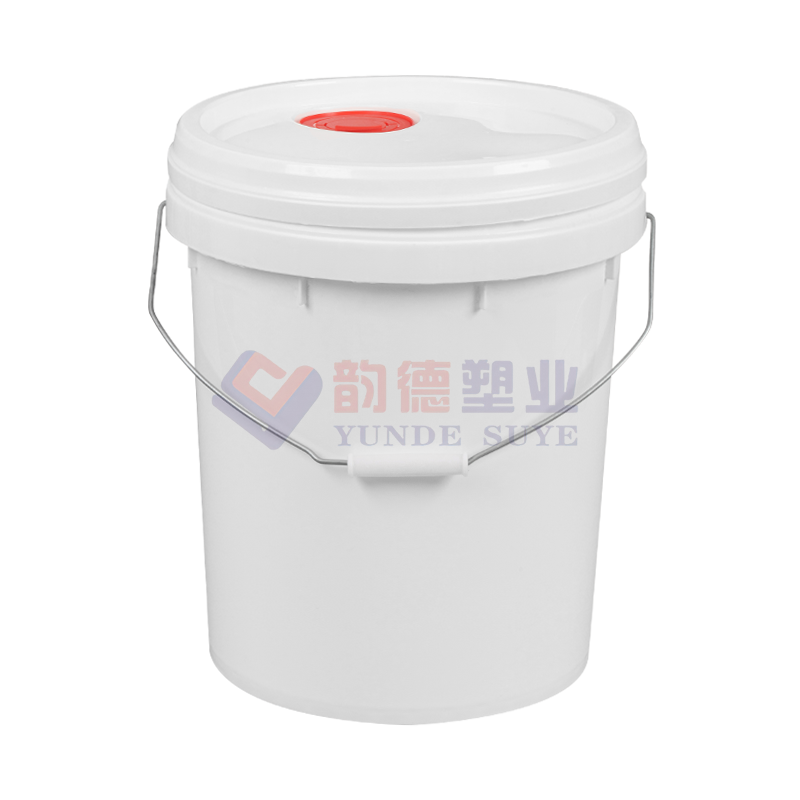
PP Plastic Bucket
-
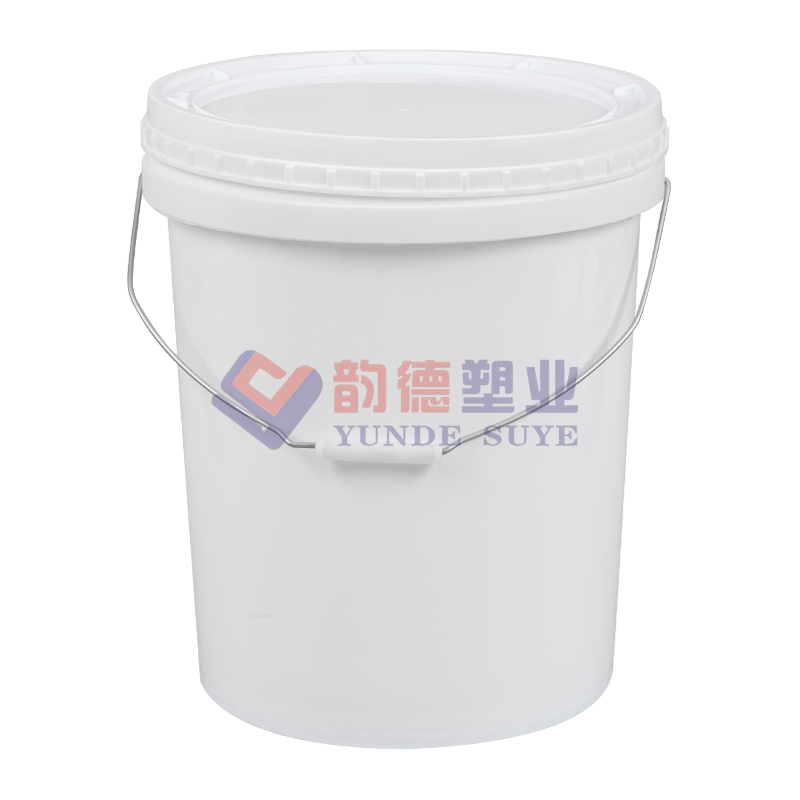
PP Plastic Bucket
-
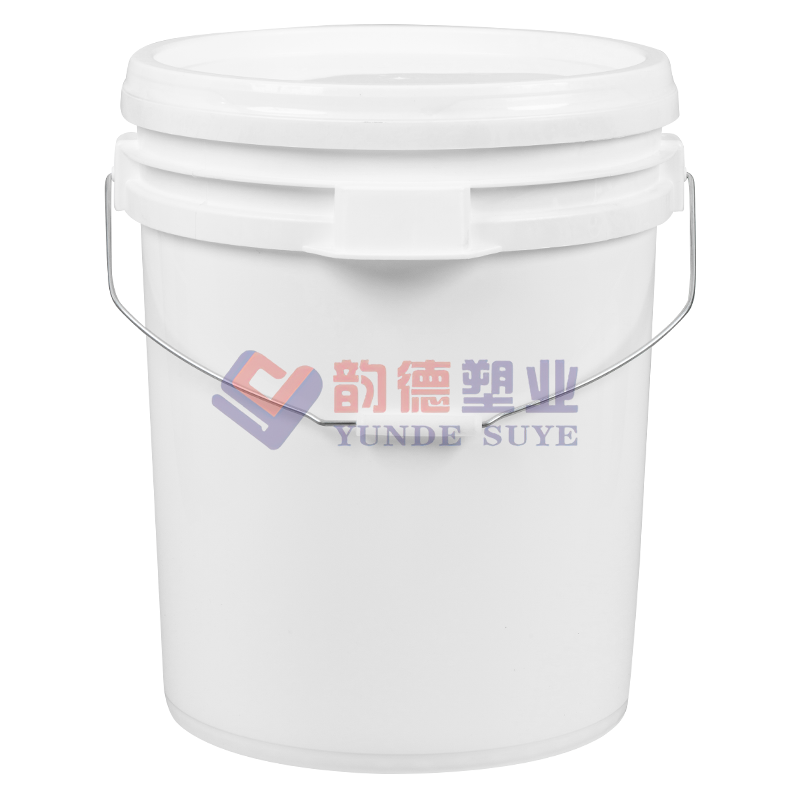
PP Plastic Bucket
LEAVE A MESSAGE
QUICK LINKS
PRODUCTS
CONTACT US
Phone: Ms.jiang
+86-15957492932 / 18058281908
Tel: +86-574-89085869
Ms.zhao: +86-18013378229
E-mail: [email protected]
Address: 588 Songpu Second Road, Cixi Binhai Economic Development Zone, Zhejiang Province (Building 1)
Copyright © Zhejiang Yun De Plastic Technology Co., Ltd. All Rights Reserved.
 Custom HDPE/Fluorination Bottles/Barrels Manufacturers