
 English
 中文简体
中文简体 Español
 عربى
عربىFluorinated Round Bottles
What are some common uses of PP plastic buckets in homes or industries?
Household Cleaning and Storage Applications
In homes, PP plastic buckets are commonly used for cleaning and general storage tasks. Their lightweight structure makes them easy to carry when filled with water, cleaning solutions, or household items. Many households rely on these buckets for mopping floors, washing windows, or cleaning outdoor areas such as balconies and patios. The smooth inner surface of polypropylene buckets allows them to be rinsed easily after use, which helps maintain basic hygiene. In addition to cleaning, these buckets are often used to store items like detergents, tools, or gardening supplies, offering a simple way to keep frequently used objects organized and accessible.
Laundry and Clothing Care Uses
PP plastic buckets are frequently used in laundry-related tasks, especially in situations where washing machines are not suitable or available. They are often used for soaking clothes, hand-washing delicate fabrics, or pre-treating stained garments. The chemical resistance of polypropylene allows these buckets to hold detergents, bleach solutions, or fabric softeners without reacting with the material. In some households, they are also used for rinsing clothes or transporting wet laundry. Their durability ensures they can handle repeated exposure to water and cleaning agents without cracking or losing shape.
Food Handling and Kitchen-Related Functions
In certain kitchen and food-related contexts, PP plastic buckets are used for food preparation, storage, or transport. Food-grade polypropylene buckets are commonly used to hold dry ingredients such as rice, flour, sugar, or grains. In home kitchens, they may also be used for washing vegetables, marinating foods, or storing prepared ingredients temporarily. In small-scale food processing environments, such as bakeries or catering services, PP buckets help manage ingredients in bulk. Their resistance to moisture and ease of cleaning make them suitable for repeated contact with food materials when properly certified for food use.
Gardening and Household Outdoor Activities
Gardening is another area where PP plastic buckets are widely used. Home gardeners often rely on them to carry soil, compost, fertilizer, or water. Their strength allows them to handle heavy loads such as wet soil or stones without breaking. Some gardeners use PP buckets as temporary planters or containers for mixing potting soil. They are also used for collecting garden waste, fallen leaves, or harvested produce. Since polypropylene can tolerate outdoor conditions better than some other plastics, these buckets can be used in gardens or yards for extended periods with basic care.
Agricultural and Farming Applications
In agriculture, PP plastic buckets play a practical role in daily operations. Farmers use them for feeding animals, carrying water, or mixing feed supplements. Their resistance to chemicals allows them to hold fertilizers, pesticides, or cleaning solutions used in farm maintenance. In crop production, they are often used during harvesting to collect fruits, vegetables, or grains. The lightweight nature of polypropylene helps reduce physical strain during repeated lifting and carrying, while the durability supports frequent use in demanding farm environments.
Industrial Material Handling and Transport
In industrial settings, PP plastic buckets are commonly used for handling and transporting materials. Factories and workshops use them to move raw materials, semi-finished products, or waste materials between workstations. Their chemical resistance makes them suitable for holding oils, lubricants, resins, or cleaning agents used in manufacturing processes. Many industrial PP buckets are designed with reinforced rims or handles to improve carrying stability. Their consistent shape also allows them to be stacked when empty, helping save storage space in busy work environments.
Construction and Building Site Uses
Construction sites rely heavily on PP plastic buckets for a wide range of tasks. Workers use them to mix cement, mortar, or plaster in small quantities, especially for repairs or finishing work. They are also used to carry water, sand, gravel, or debris around the site. The impact resistance of polypropylene helps the buckets withstand rough handling, drops, or contact with abrasive materials. Even after exposure to cement residue or construction chemicals, these buckets can often be cleaned and reused, supporting their role as a practical tool on building sites.
Chemical and Laboratory Environments
PP plastic buckets are frequently used in laboratories and chemical handling environments due to their resistance to many acids, alkalis, and solvents. They are used for collecting samples, mixing solutions, or disposing of non-hazardous chemical waste. In cleaning and maintenance processes, they may hold detergents or neutralizing solutions. The non-reactive nature of polypropylene reduces the risk of unwanted chemical reactions, which is important in controlled environments. Their smooth surfaces also make them easier to clean and decontaminate after use.
Commercial Cleaning and Maintenance Services
Professional cleaning services often rely on PP plastic buckets as part of their daily equipment. These buckets are used to carry cleaning solutions, water, and tools across offices, hotels, hospitals, or public buildings. Their ability to withstand repeated use and exposure to cleaning chemicals makes them suitable for demanding schedules. Some buckets are designed with measurement markings, helping cleaning staff mix solutions accurately. Their relatively low weight also supports ease of movement when cleaners need to transport them between different areas.
Waste Collection and Sorting
PP plastic buckets are also used for waste collection and sorting in both household and industrial environments. In homes, they may serve as temporary containers for recyclables, organic waste, or cleaning debris. In industrial settings, they are used to separate different types of waste materials, such as metal scraps, plastic offcuts, or production residues. The durability of polypropylene helps the buckets withstand sharp edges or heavy contents. Their reusability supports ongoing waste management practices without frequent replacement.
Water Storage and Transport
Another common use of PP plastic buckets is for storing and transporting water. In households without direct water access in certain areas, these buckets are used to carry water for cleaning, washing, or gardening. In industrial or agricultural settings, they may be used to distribute water to specific locations or equipment. Polypropylene does not absorb water, which helps prevent contamination or material degradation. This makes PP buckets a reliable option for repeated water-related tasks.
Retail, Packaging, and Distribution Uses
In retail and distribution environments, PP plastic buckets are sometimes used as packaging containers for products such as paints, coatings, adhesives, or bulk goods. Their sturdy construction helps protect the contents during transportation and storage. Many buckets are designed with lids to reduce spillage and contamination. In some cases, these buckets are reused by customers after the original contents are consumed, extending their functional life beyond their initial packaging role.
General Utility and Multi-Purpose Roles
Beyond specific industries or household tasks, PP plastic buckets often serve as general-purpose containers. Their simple design allows them to be adapted for many unexpected uses, such as organizing tools, holding spare parts, or assisting in home improvement projects. This flexibility is one of the reasons they remain widely used across different environments. The balance of durability, chemical resistance, and manageable weight allows PP plastic buckets to fit into everyday routines as well as more demanding professional applications.
Related Products
-
-
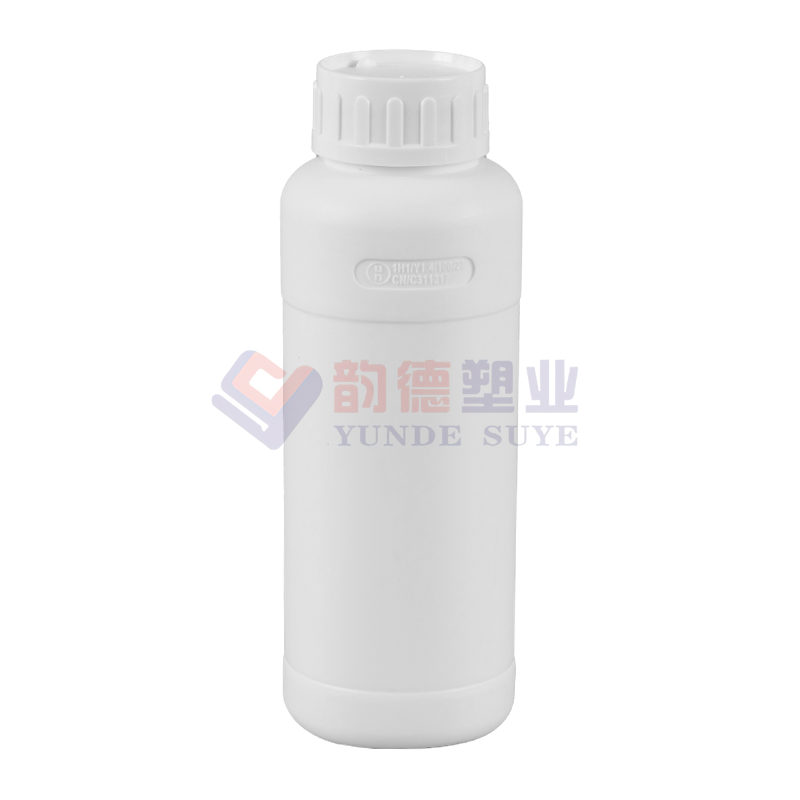
Fluorinated Round Bottles
-
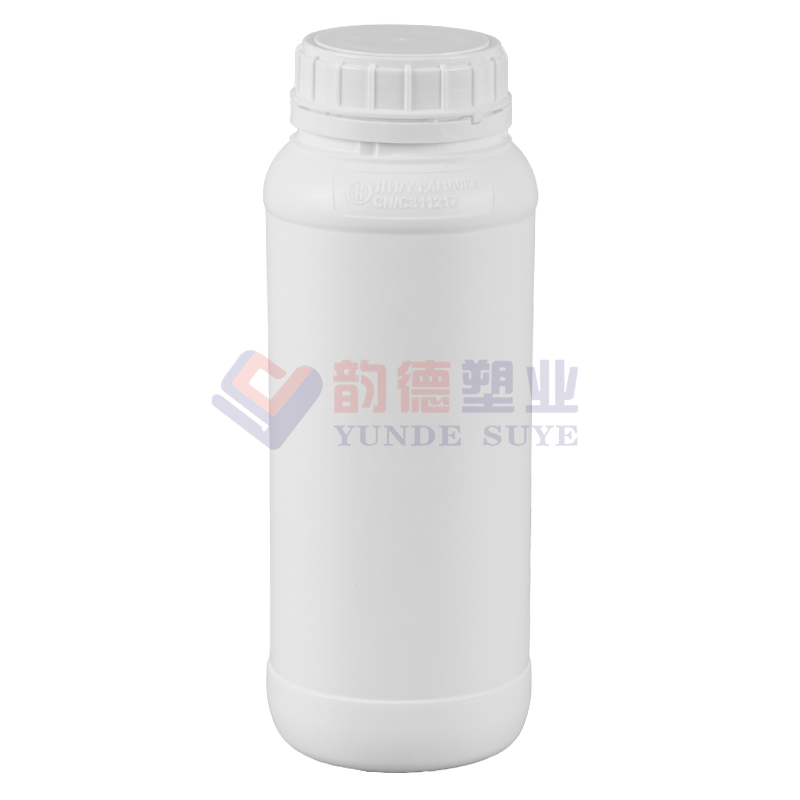
Fluorinated Round Bottles
-
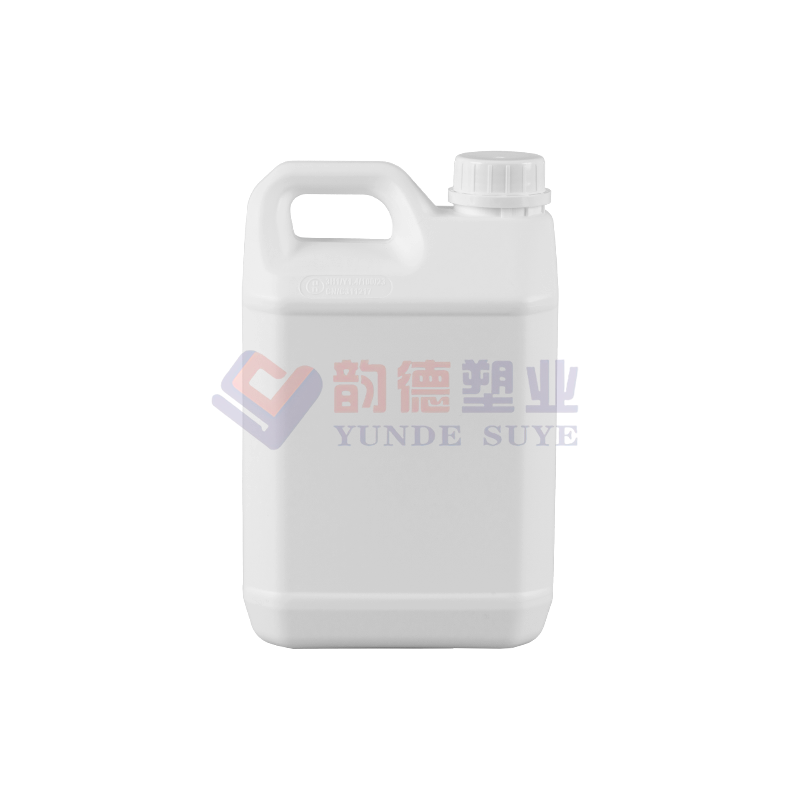
HDPE Square Barrel
-
HDPE Square Barrel
-
Fluorinated Square Barrels
-
Fluorinated Square Barrels
-
Fluorinated Stacking Barrels
-
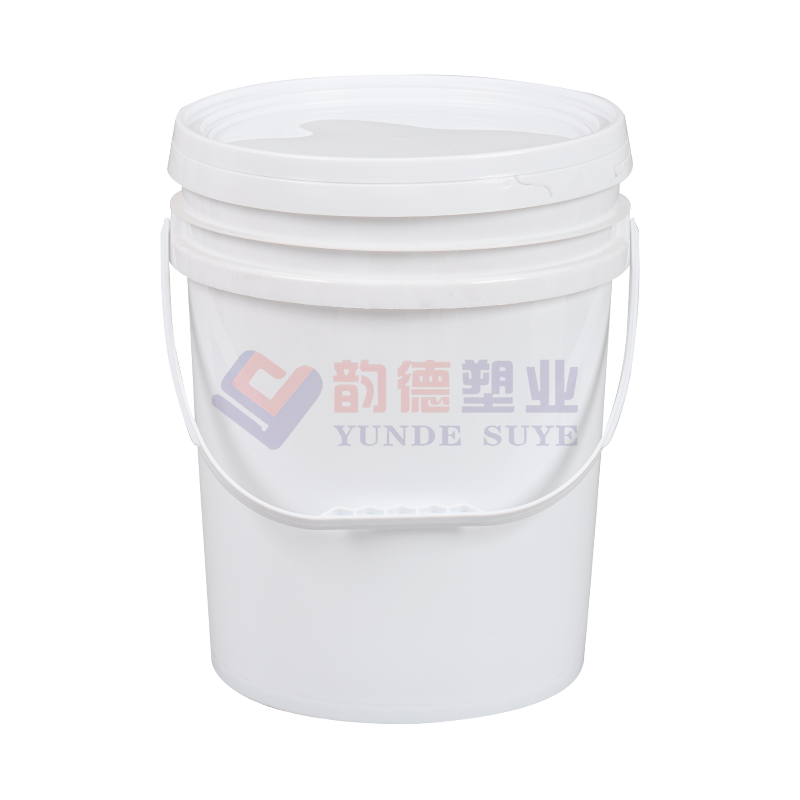
PP Plastic Bucket
-
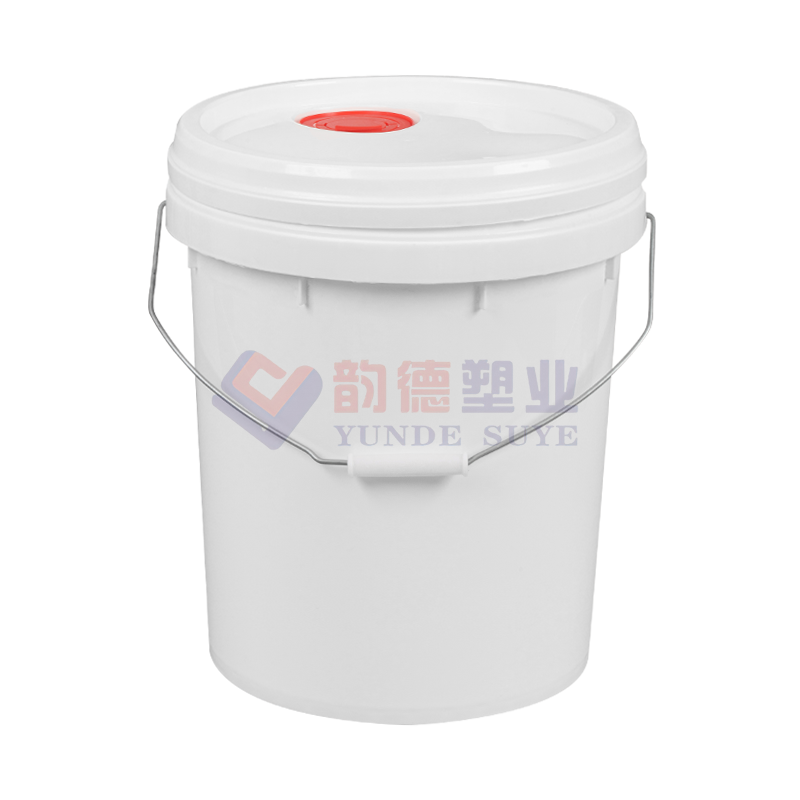
PP Plastic Bucket
-
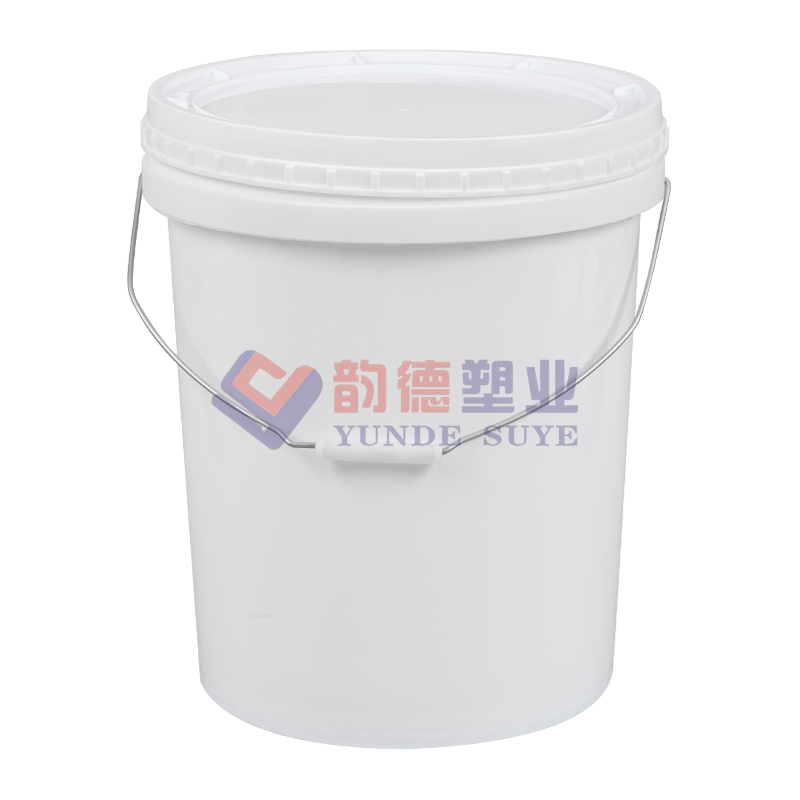
PP Plastic Bucket
-
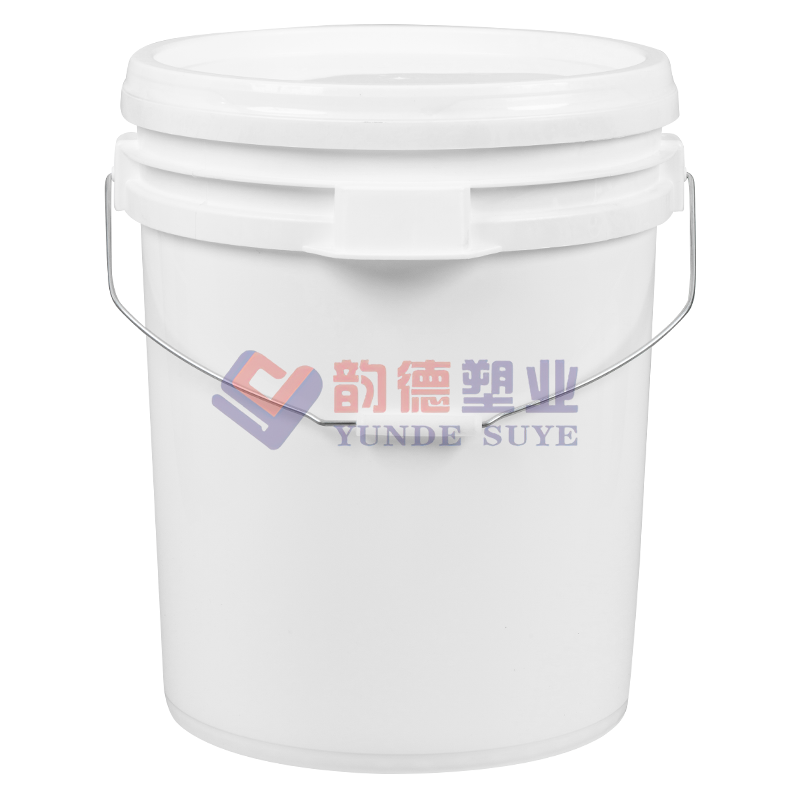
PP Plastic Bucket
LEAVE A MESSAGE
QUICK LINKS
PRODUCTS
CONTACT US
Phone: Ms.jiang
+86-15957492932 / 18058281908
Tel: +86-574-89085869
Ms.zhao: +86-18013378229
E-mail: [email protected]
Address: 588 Songpu Second Road, Cixi Binhai Economic Development Zone, Zhejiang Province (Building 1)
Copyright © Zhejiang Yun De Plastic Technology Co., Ltd. All Rights Reserved.
 Custom HDPE/Fluorination Bottles/Barrels Manufacturers