
 English
 中文简体
中文简体 Español
 عربى
عربىFluorinated Round Bottles
How effective are fluorinated round bottles in preventing leakage and evaporation?
Overview of Fluorinated Round Bottles in Packaging Applications
Fluorinated round bottles are widely used in industries that require controlled containment of liquids, including chemicals, pharmaceuticals, cosmetics, agrochemicals, and specialty formulations. Their design combines a rounded geometry with a surface fluorination treatment, aiming to improve barrier performance compared with conventional plastic bottles. Evaluating how effective these bottles are in preventing leakage and evaporation requires examining both structural and material-related factors.
The effectiveness of fluorinated round bottles is not determined by a single feature. Instead, it is the combined influence of bottle shape, base polymer, fluorination process, closure compatibility, and usage conditions that defines their real-world performance.
Basic Structure and Geometry of Round Bottles
Round bottles are characterized by uniform wall thickness distribution and the absence of sharp corners. This geometry allows internal stresses to be more evenly distributed when the bottle is filled, sealed, and transported. Compared with square or irregular shapes, round bottles are less prone to localized deformation that could compromise sealing areas.
From a leakage prevention perspective, the consistent geometry supports stable interaction between the bottle neck and closure, which is essential for maintaining an effective seal under varying pressure and temperature conditions.
Principles of Surface Fluorination
Surface fluorination is a post-molding treatment applied to plastic bottles, typically made from high-density polyethylene. During this process, the inner or outer surface of the bottle is exposed to a controlled fluorine-containing environment, resulting in partial substitution of hydrogen atoms with fluorine atoms at the polymer surface.
This chemical modification alters surface energy and permeability characteristics without significantly changing the bulk mechanical properties of the bottle. The treated surface becomes less permeable to gases and organic vapors, which directly relates to evaporation control.
Barrier Properties Against Vapor Transmission
One of the primary advantages of fluorinated round bottles lies in their reduced permeability to volatile substances. Many liquids stored in plastic containers contain components that tend to migrate through polymer walls over time. Fluorination reduces this migration by creating a surface layer with lower diffusion rates.
As a result, evaporation losses are reduced, especially for formulations containing solvents, fragrances, or low-molecular-weight compounds. This effect becomes more noticeable during long-term storage rather than short-term handling.
Leakage Mechanisms in Plastic Bottles
Leakage in plastic bottles typically occurs through one of three pathways: imperfect sealing at the closure, microcracks or defects in the bottle wall, or stress-induced deformation around the neck. Fluorination does not directly change the mechanical strength of the bottle but can indirectly influence leakage by stabilizing the surface.
When combined with proper closure selection and torque control, fluorinated round bottles show a reduced tendency for leakage related to material interaction with aggressive contents.
Role of Fluorination in Chemical Resistance
Certain liquid contents can interact with untreated plastic surfaces, causing swelling, softening, or slow degradation. These interactions may eventually lead to leakage or seal failure. Fluorinated surfaces are less reactive, which helps maintain dimensional stability at the bottle neck and sealing interface.
This improved resistance supports consistent sealing performance, especially for products stored over extended periods.
Evaporation Control in Volatile Formulations
Evaporation is a gradual process influenced by vapor pressure, temperature, and material permeability. Fluorinated round bottles address the material aspect by lowering the rate at which vapor molecules migrate through the bottle wall.
While evaporation is not eliminated entirely, fluorination slows the process enough to preserve product concentration and composition within acceptable limits during typical shelf life.
Influence of Closure and Liner Compatibility
The effectiveness of fluorinated round bottles in preventing leakage is closely tied to the closure system. Even with a fluorinated surface, an incompatible cap or liner can become the primary leakage point. Round bottle neck designs often support uniform compression of liners, improving seal consistency.
When closures are selected to match the chemical nature of the contents, the combined system offers more reliable containment.
Comparison of Permeation Performance
The table below illustrates general differences in permeation behavior between fluorinated and non-fluorinated round bottles under similar conditions.
| Bottle Type | Relative Vapor Permeation | Evaporation Risk | Typical Applications |
| Non-fluorinated HDPE round bottle | Moderate | Moderate over long storage | General liquids, non-volatile products |
| Fluorinated HDPE round bottle | Lower | Reduced for volatile contents | Chemicals, solvents, fragrances |
Impact of Temperature Variations on Performance
Temperature changes influence both internal pressure and material permeability. At higher temperatures, evaporation rates increase, and plastic materials may become more flexible. Fluorinated surfaces maintain lower permeability across a wider temperature range compared with untreated plastics.
This stability helps fluorinated round bottles retain contents more effectively during transportation or storage in variable climates.
Mechanical Integrity Under Handling Stress
Round bottles are generally better suited to withstand stacking, vibration, and handling stresses. The uniform stress distribution helps prevent deformation that could compromise seals. Fluorination does not weaken the structure and therefore does not reduce resistance to handling-related leakage.
When bottles experience repeated handling, this geometric advantage supports consistent performance.
Effectiveness Against Long-Term Storage Losses
Long-term storage highlights the benefits of fluorinated round bottles most clearly. Over months or years, even small permeation rates can result in measurable product loss or concentration changes. Fluorinated surfaces slow this process, helping maintain product stability.
This characteristic is particularly important for products where precise formulation balance is required.
Limitations of Fluorinated Bottle Technology
Despite their advantages, fluorinated round bottles are not a universal solution. Fluorination primarily addresses surface permeability and chemical interaction, not mechanical damage such as punctures or severe deformation.
Improper handling, incompatible closures, or extreme storage conditions can still result in leakage regardless of fluorination.
Environmental and Regulatory Considerations
Fluorinated bottles must meet regulatory guidelines related to surface treatment and potential byproducts. Manufacturers typically control the fluorination process to limit residual reactive species. When properly processed, these bottles are suitable for regulated applications.
Regulatory compliance ensures that barrier benefits are achieved without introducing additional risks.
Performance Consistency in Industrial Use
In industrial and commercial settings, fluorinated round bottles demonstrate consistent containment performance when integrated into well-designed packaging systems. Their effectiveness depends on quality control during manufacturing and proper matching with closures and contents.
Users often select these bottles for applications where evaporation control and leakage reduction are part of broader quality requirements.
Interaction Between Bottle Wall and Liquid Contents
The reduced interaction between fluorinated surfaces and stored liquids minimizes absorption and migration effects. This interaction control supports both evaporation resistance and dimensional stability.
As a result, the bottle wall remains closer to its original state throughout the product’s storage life.
Practical Assessment of Leakage Prevention
From a practical standpoint, fluorinated round bottles help reduce leakage risks associated with material compatibility and vapor permeation. They are most effective when leakage would otherwise occur gradually rather than through immediate mechanical failure.
This makes them suitable for applications where slow losses are a primary concern.
Overall Evaluation of Evaporation Control Capability
Fluorinated round bottles provide measurable improvements in evaporation control compared with standard plastic bottles. By lowering permeability and stabilizing surface interactions, they extend the usable shelf life of volatile products.
These benefits become increasingly relevant as storage duration increases or when products contain components sensitive to concentration changes.
Integration Into Packaging System Design
The effectiveness of fluorinated round bottles is maximized when they are viewed as part of a complete packaging system. Bottle design, fluorination quality, closure selection, and storage conditions all contribute to performance.
Considering these factors together provides a realistic understanding of how well fluorinated round bottles prevent leakage and evaporation in real-world use.
Related Products
-
-
Fluorinated Round Bottles
-
Fluorinated Round Bottles
-
HDPE Square Barrel
-
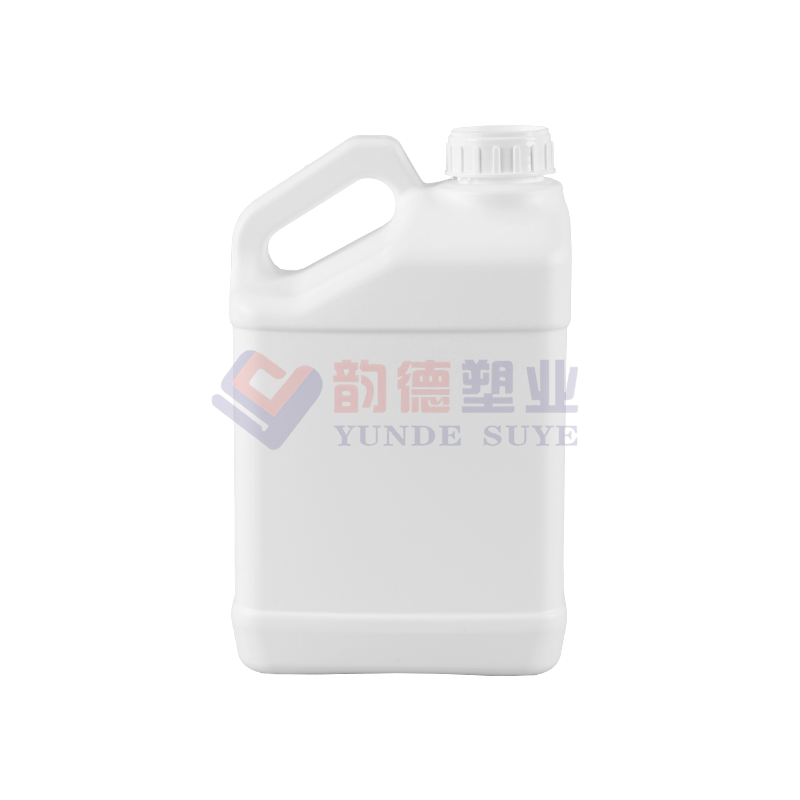
HDPE Square Barrel
-
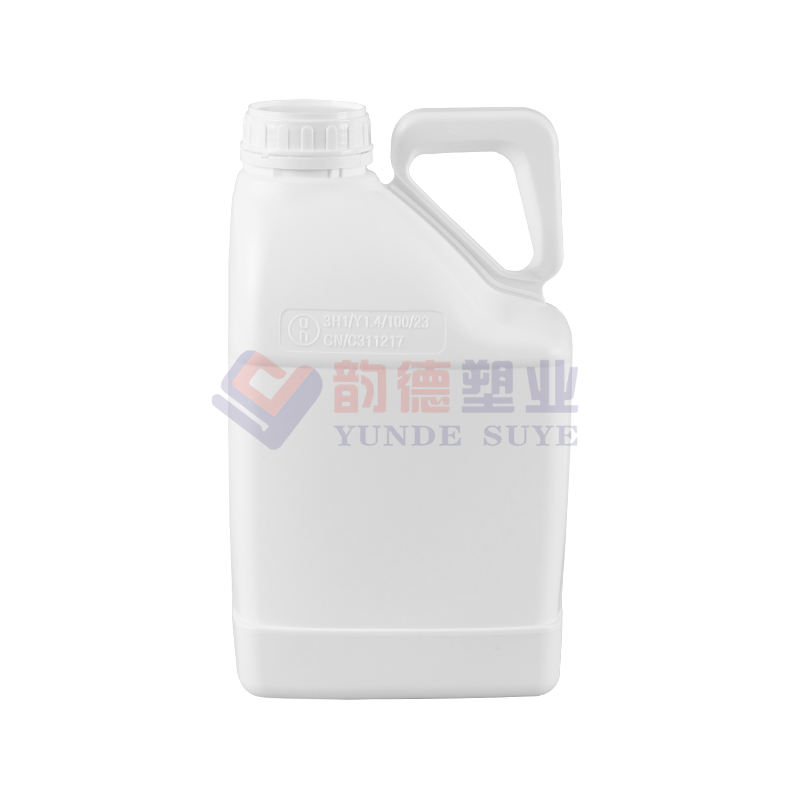
Fluorinated Square Barrels
-
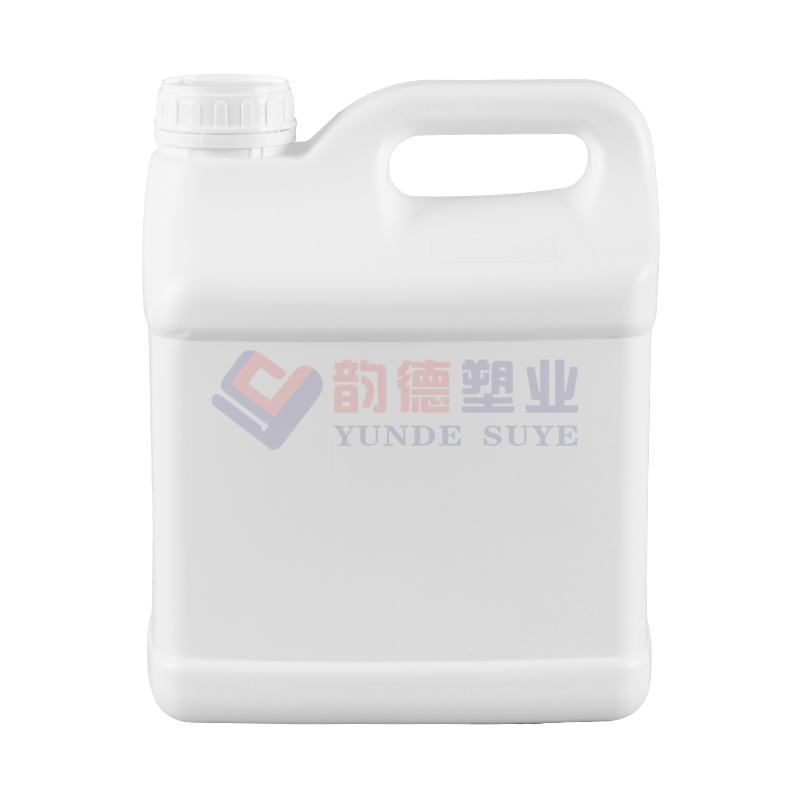
Fluorinated Square Barrels
-
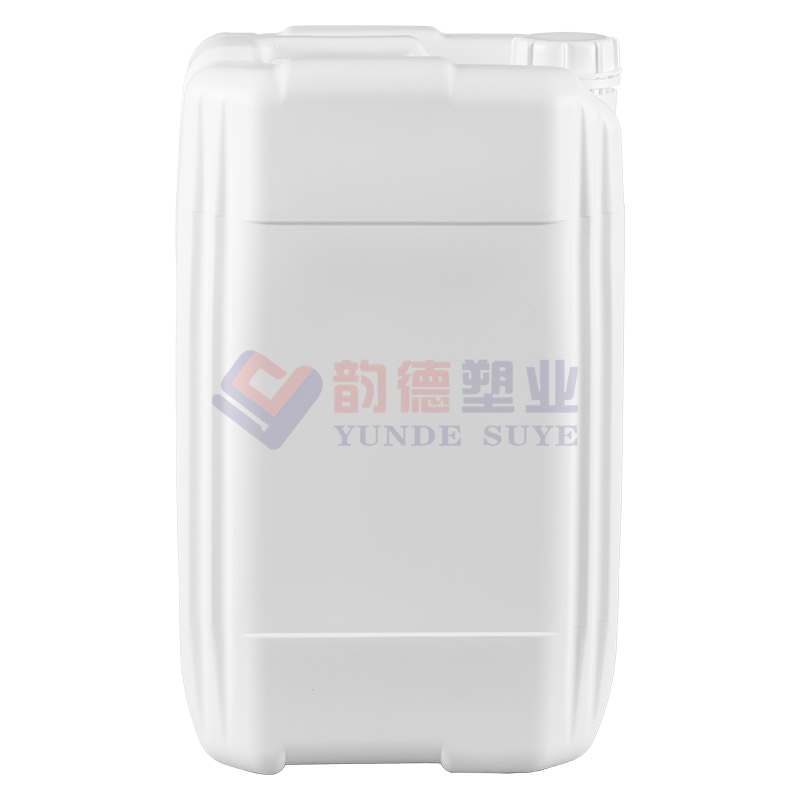
Fluorinated Stacking Barrels
-
PP Plastic Bucket
-
PP Plastic Bucket
-
PP Plastic Bucket
-
PP Plastic Bucket
LEAVE A MESSAGE
QUICK LINKS
PRODUCTS
CONTACT US
Phone: Ms.jiang
+86-15957492932 / 18058281908
Tel: +86-574-89085869
Ms.zhao: +86-18013378229
E-mail: [email protected]
Address: 588 Songpu Second Road, Cixi Binhai Economic Development Zone, Zhejiang Province (Building 1)
Copyright © Zhejiang Yun De Plastic Technology Co., Ltd. All Rights Reserved.
 Custom HDPE/Fluorination Bottles/Barrels Manufacturers