
 English
 中文简体
中文简体 Español
 عربى
عربىFluorinated Round Bottles
Are there any specific handling or storage precautions for fluorinated round bottles?
Introduction to Fluorinated Round Bottles
Fluorinated round bottles are commonly used for storing and transporting a wide variety of chemicals, including solvents, pesticides, pharmaceuticals, and consumer products. These bottles are made from high-density polyethylene (HDPE) or other similar materials that are treated with fluorine gas to improve their chemical resistance. This process enhances the plastic’s ability to resist degradation from various chemicals and environmental factors, making them ideal for use in industries that require secure and durable containers. However, the handling and storage of these bottles require specific precautions to ensure their integrity and functionality over time.
The Importance of Fluorination in Bottle Manufacturing
Fluorination is a process used to treat plastic containers to make them resistant to a broader range of chemicals and to enhance their barrier properties. The fluorination process creates a chemical bond between the fluorine molecules and the polymer material, which increases the resistance of the container to permeation and corrosion from aggressive chemicals. This is particularly important for bottles that will store substances that may otherwise degrade traditional plastic containers. As a result, fluorinated round bottles are widely used in industries such as pharmaceuticals, food and beverage, agriculture, and chemicals. Despite their enhanced properties, proper handling and storage are critical to maintaining the benefits of fluorination.
Handling Precautions for Fluorinated Round Bottles
When handling fluorinated round bottles, it is important to follow safety guidelines to prevent damage to the bottles, exposure to harmful chemicals, or environmental hazards. Since fluorinated plastic is generally more resistant to chemicals, it is still susceptible to physical damage if mishandled. These bottles should be handled with care, especially when they are filled with hazardous substances. It is crucial to avoid dropping, hitting, or applying unnecessary pressure to the bottles, as this can lead to cracks or leaks. Additionally, when handling fluorinated round bottles, personnel should use appropriate personal protective equipment (PPE) such as gloves, goggles, and protective clothing, especially when dealing with potentially hazardous contents inside the bottle. This reduces the risk of exposure to harmful chemicals and ensures safety during transportation and handling processes.
Transporting Fluorinated Round Bottles
During the transportation of fluorinated round bottles, several important precautions should be considered to ensure the bottles remain intact and their contents are protected. Bottles should be stored upright and secured in place to avoid movement during transit. This is especially important when transporting large quantities of chemicals, as excessive shaking or tilting can lead to spills or breakage. Containers should be cushioned with adequate padding material to prevent any impact damage that could compromise the integrity of the bottle. When transporting hazardous materials in fluorinated round bottles, it is essential to follow the regulatory guidelines for hazardous goods, ensuring that the proper classification, labeling, and transportation methods are used. Compliance with local, national, and international regulations is crucial for the safety of both the personnel handling the materials and the environment.
Storage Conditions for Fluorinated Round Bottles
Proper storage is essential to maintaining the structural integrity and chemical resistance of fluorinated round bottles. These bottles should be stored in a cool, dry place away from direct sunlight and heat sources. Exposure to high temperatures and UV light can degrade the material over time, reducing its resistance to chemicals and making the bottle more prone to cracking or breaking. The storage area should be well-ventilated to avoid the accumulation of any fumes or gases that could emanate from the contents of the bottles. It is also important to store the bottles in a manner that minimizes exposure to moisture, as excessive moisture can lead to degradation of both the bottles and their contents. The bottles should be placed on shelves or pallets that allow air to circulate around them to prevent damage caused by humidity or condensation.
Temperature and Humidity Control
Temperature and humidity control are crucial in extending the lifespan of fluorinated round bottles. It is important to avoid extreme temperatures, both hot and cold, as they can cause the material to weaken, crack, or deform. Ideally, fluorinated round bottles should be stored at temperatures between 10°C and 25°C. In environments where temperature fluctuations are extreme, it may be necessary to install temperature control systems to maintain a stable environment. Similarly, humidity should be controlled within the storage area, as excessive humidity can lead to the growth of mold or mildew inside the bottles, especially if the contents are organic in nature. A humidity level between 40% and 60% is considered optimal for storing fluorinated bottles to prevent moisture-related damage.
Protecting from Direct Sunlight and UV Exposure
Direct exposure to sunlight and ultraviolet (UV) radiation can degrade the integrity of fluorinated round bottles over time. The UV rays can cause the plastic material to break down, leading to brittleness and cracking, which compromises the bottle’s effectiveness in storing chemicals. To mitigate this, fluorinated round bottles should be stored in shaded or dark areas that minimize exposure to sunlight. If the bottles must be stored outdoors or in areas with high light exposure, UV-resistant covers or protective materials should be used to shield them from the damaging effects of UV radiation.
Cleaning and Maintenance of Fluorinated Round Bottles
To ensure that fluorinated round bottles continue to provide reliable service, regular cleaning and maintenance are required. When cleaning these bottles, it is important to use non-abrasive materials and detergents that will not damage the surface or the fluorinated layer. Abrasive cleaning tools or harsh chemicals can strip away the protective fluorine layer, reducing the bottle’s chemical resistance. The bottles should be rinsed thoroughly with water after cleaning to remove any soap or detergent residues. After cleaning, the bottles should be stored in a dry environment to avoid contamination from residual moisture. Routine inspections should also be conducted to check for any signs of wear or damage, such as cracks, discoloration, or leaks, which could compromise the bottle’s ability to safely store hazardous materials.
Disposal and Recycling of Fluorinated Round Bottles
When the use of fluorinated round bottles has come to an end, they must be disposed of properly to avoid environmental contamination. Due to the chemicals involved in the fluorination process, these bottles may not be suitable for standard plastic recycling programs. It is important to check with local recycling facilities to determine whether fluorinated round bottles can be recycled and, if so, to follow the recommended procedures. In some cases, these bottles may need to be incinerated at specialized facilities to ensure proper disposal. It is also important to ensure that any chemicals or substances inside the bottles are safely neutralized or removed before disposal to prevent environmental contamination.
Key Handling and Storage Precautions
In summary, fluorinated round bottles offer excellent chemical resistance and durability, making them ideal for storing a wide range of substances. However, it is crucial to handle and store these bottles with care to maintain their integrity and performance. Proper handling, temperature and humidity control, protection from UV exposure, and regular cleaning are all important factors in ensuring the long-term effectiveness of these bottles. By following the appropriate precautions, businesses and individuals can ensure that fluorinated round bottles continue to serve their purpose effectively and safely for years to come.
Related Products
-
-
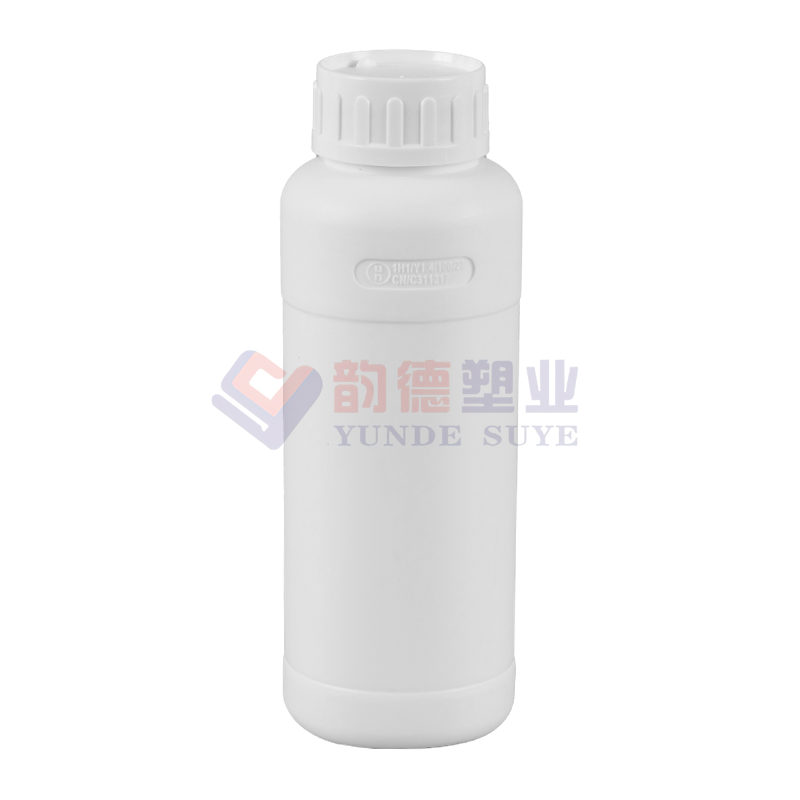
Fluorinated Round Bottles
-
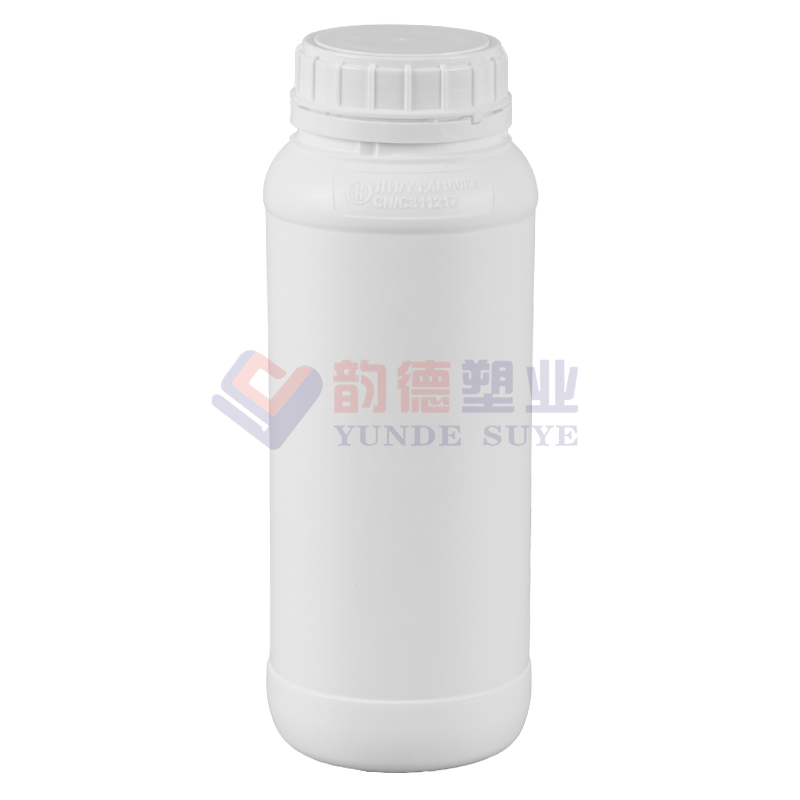
Fluorinated Round Bottles
-
HDPE Square Barrel
-
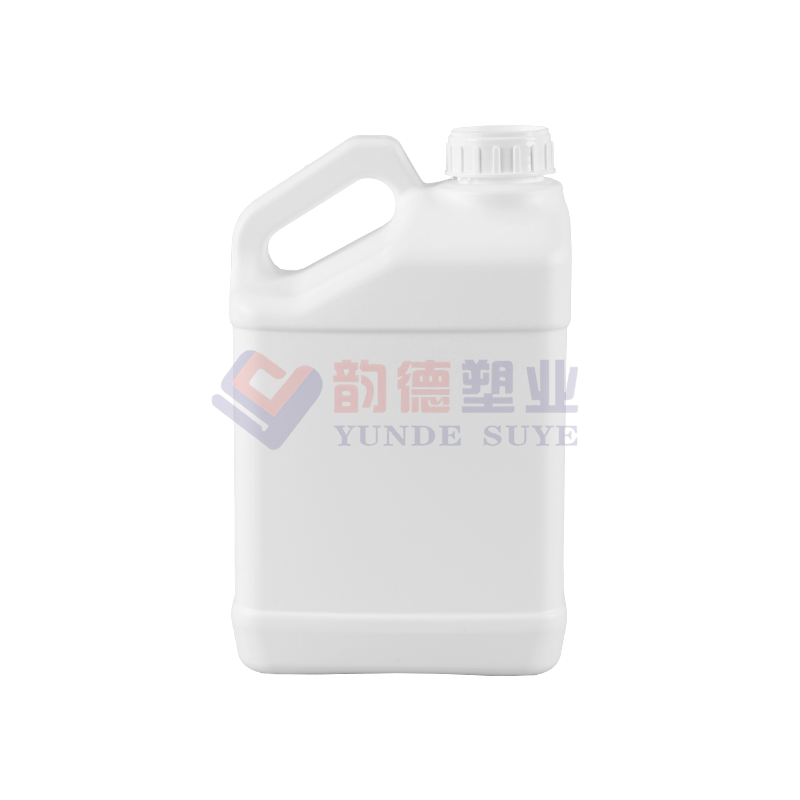
HDPE Square Barrel
-
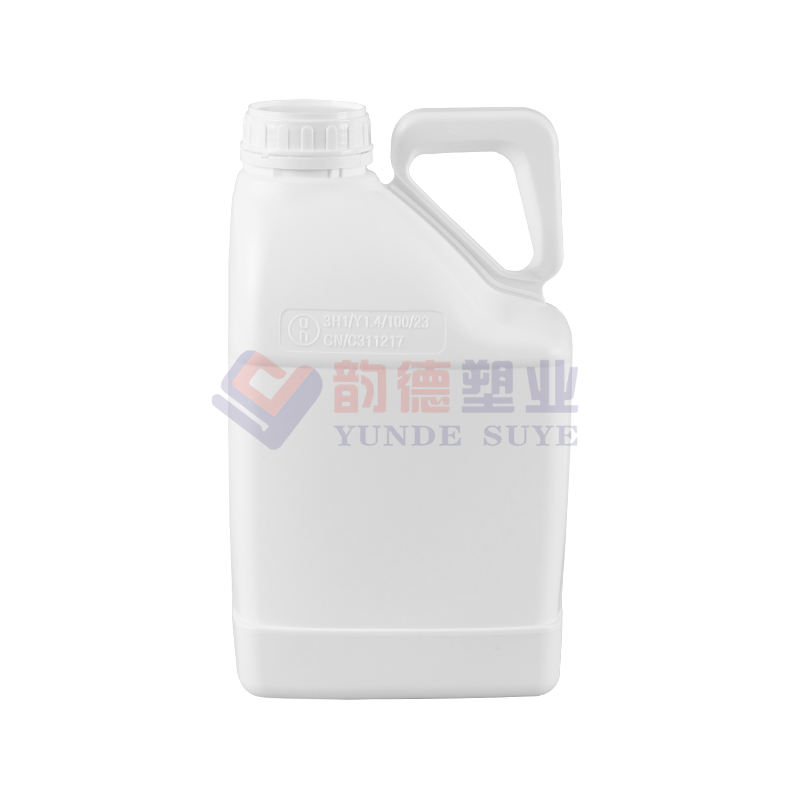
Fluorinated Square Barrels
-
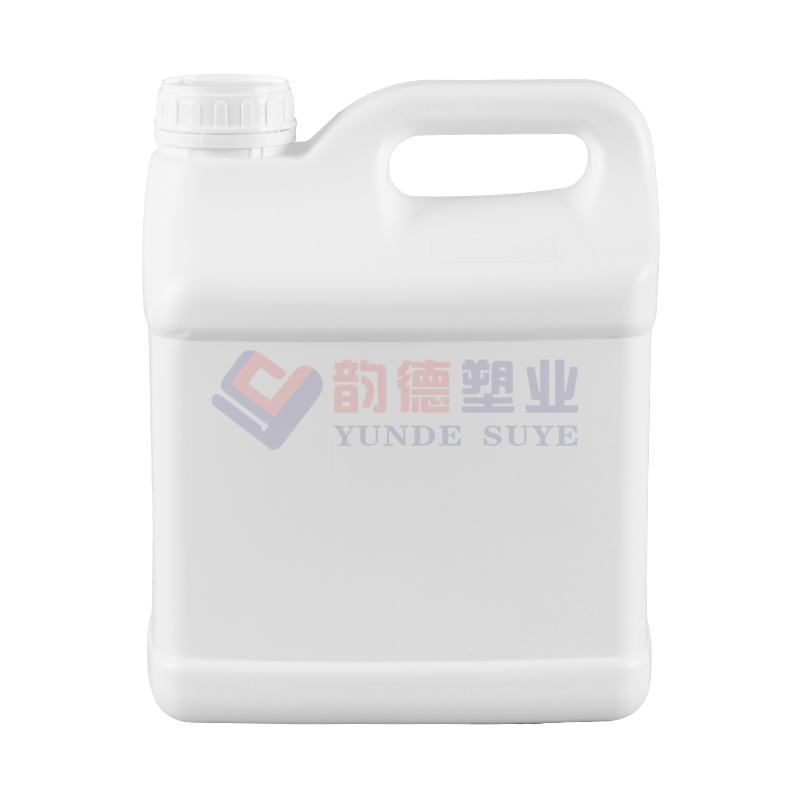
Fluorinated Square Barrels
-
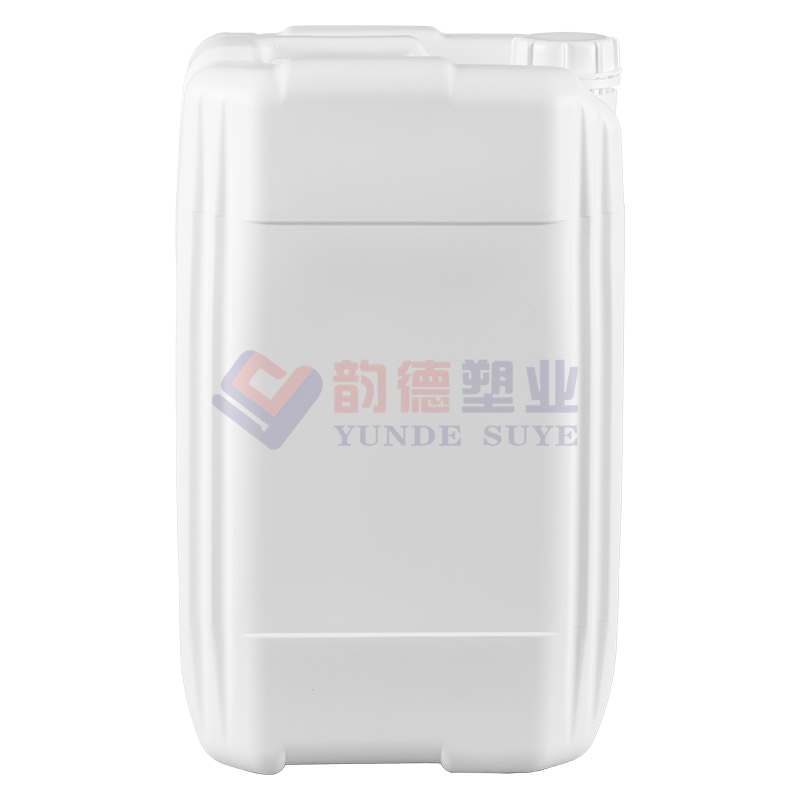
Fluorinated Stacking Barrels
-
PP Plastic Bucket
-
PP Plastic Bucket
-
PP Plastic Bucket
-
PP Plastic Bucket
LEAVE A MESSAGE
QUICK LINKS
PRODUCTS
CONTACT US
Phone: Ms.jiang
+86-15957492932 / 18058281908
Tel: +86-574-89085869
Ms.zhao: +86-18013378229
E-mail: [email protected]
Address: 588 Songpu Second Road, Cixi Binhai Economic Development Zone, Zhejiang Province (Building 1)
Copyright © Zhejiang Yun De Plastic Technology Co., Ltd. All Rights Reserved.
 Custom HDPE/Fluorination Bottles/Barrels Manufacturers