
 English
 中文简体
中文简体 Español
 عربى
عربىFluorinated Round Bottles
Will fluorinated stacking barrels age or have their fluorinated layer peel off after long-term use?
Introduction to Fluorinated Stacking Barrels
Fluorinated stacking barrels are commonly used in industries where containers are required to store or transport aggressive chemicals, solvents, or materials that could otherwise react with conventional plastic barrels. These barrels are typically made from polyethylene or similar polymers, which are then treated with a fluorination process. This process involves exposing the surface of the barrel to fluorine gas, which chemically bonds with the polymer, creating a highly resistant layer. The fluorinated layer significantly enhances the barrel’s chemical resistance, making it suitable for more corrosive substances. Over time, however, the question arises whether these fluorinated barrels will age or experience any peeling of the fluorinated layer under long-term use.
The Fluorination Process and Its Benefits
The fluorination process involves exposing the surface of the plastic to a controlled environment containing fluorine gas. The fluorine atoms react with the polymer, forming a fluorine-rich outer layer that imparts several key benefits. This process enhances the barrel's resistance to a wide range of chemicals, including acids, bases, and solvents, which would otherwise degrade the material. Additionally, the fluorinated surface makes the barrels more resistant to UV degradation, and increases their overall lifespan compared to non-fluorinated alternatives. The enhanced surface layer also provides improved barrier properties, preventing the leaching of chemicals stored inside the barrels. Fluorinated barrels are used extensively in industries like pharmaceuticals, agriculture, and manufacturing, where the storage and handling of hazardous chemicals are common.
Durability of Fluorinated Stacking Barrels
One of the key questions regarding fluorinated stacking barrels is their long-term durability. Over time, all materials experience some degree of wear and tear, and barrels are no exception. However, fluorinated barrels are generally designed to withstand long periods of use without significant degradation. The fluorinated layer itself is highly resistant to chemical and environmental damage. It provides a tough outer shell that can handle rough handling, exposure to extreme temperatures, and interaction with corrosive substances. Despite this, the material's performance can still be influenced by factors such as the specific chemicals stored within the barrels, environmental conditions, and the manner in which the barrels are used. In most cases, fluorinated barrels are expected to last for many years before any significant aging effects occur.
Factors Influencing the Aging Process of Fluorinated Barrels
While fluorinated stacking barrels are designed to be highly durable, several factors can influence their aging process. These factors include chemical exposure, physical stress, UV exposure, temperature fluctuations, and the presence of abrasive materials. Each of these elements can cause gradual wear on the fluorinated layer or the underlying polymer material. However, the fluorinated layer itself is resistant to most forms of chemical attack, which means that the primary concern is not the breakdown of the fluorinated surface but rather the potential weakening of the underlying plastic over time. Over extended periods of exposure to certain chemicals or environmental stressors, the fluorinated layer may begin to degrade or become less effective, leading to potential issues like cracking or peeling.
Effect of Chemical Exposure on Fluorinated Layers
One of the main advantages of fluorinated barrels is their chemical resistance. The fluorinated layer forms a protective barrier against most aggressive substances, including acids, alkalis, and solvents. However, over time, some highly reactive chemicals may penetrate or degrade the fluorinated layer, especially if the barrels are exposed to these substances at high concentrations or under extreme conditions. In rare cases, chemical exposure may lead to the thinning or partial peeling of the fluorinated surface. This is most likely to occur if the barrel is repeatedly subjected to chemical conditions beyond its design specifications. For example, the interaction of the fluorinated surface with certain strong acids, such as sulfuric acid, or certain chlorine-based chemicals, may weaken the surface over time.
Impact of Physical Stress and Handling on Fluorinated Barrels
Physical stress and handling play a significant role in the aging process of fluorinated barrels. The barrels are designed to withstand rough handling, stacking, and transport, but over time, repeated physical impacts, abrasions, or punctures may damage the fluorinated surface. This could expose the underlying plastic to environmental factors, including UV radiation, moisture, and temperature extremes, which can accelerate aging. In some cases, physical stress may cause the fluorinated layer to crack, peel, or flake off. The extent of this damage depends on the frequency and severity of the physical stress the barrels endure during use. Barrels subjected to frequent drops, scrapes, or high-pressure environments may experience localized wear on the fluorinated surface, potentially reducing its effectiveness over time.
Effects of UV Radiation and Temperature on Fluorinated Barrels
Exposure to ultraviolet (UV) radiation and temperature fluctuations can have a significant impact on the longevity of fluorinated stacking barrels. UV radiation can cause materials to degrade over time, leading to changes in the chemical structure of the plastic. Although the fluorinated layer is resistant to UV degradation, prolonged exposure can still weaken the polymer underneath, potentially causing cracking or peeling. Additionally, temperature extremes can cause the plastic to expand and contract, which may lead to stress fractures in the fluorinated layer. Barrels stored outdoors or in environments with significant temperature fluctuations are more likely to experience these types of issues compared to those stored in more stable conditions.
Peeling and Loss of the Fluorinated Layer
One of the primary concerns with fluorinated barrels after long-term use is the potential for the fluorinated layer to peel or wear off. Although the fluorinated layer is chemically bonded to the surface of the plastic, it is not immune to damage over time. In general, peeling or flaking is more likely to occur when the barrels are exposed to extreme physical stress or aggressive chemicals that exceed the barrel’s resistance limits. For instance, areas of the barrel that experience repeated friction, scraping, or rubbing may experience localized thinning of the fluorinated surface. Additionally, improper storage conditions, such as exposure to high levels of UV radiation or extreme temperatures, can weaken the fluorinated layer and contribute to peeling. However, in typical use cases where the barrels are handled correctly and not exposed to conditions beyond their specifications, peeling or significant loss of the fluorinated layer is uncommon.
Maintenance and Care to Prevent Damage
To extend the life of fluorinated stacking barrels and prevent issues such as peeling or degradation of the fluorinated layer, proper maintenance and care are essential. This includes storing the barrels in a controlled environment, avoiding direct exposure to UV radiation for extended periods, and ensuring that the barrels are not subjected to excessive physical stress. Regular inspections should be carried out to check for signs of wear, including cracks, scratches, or thinning of the fluorinated surface. If any areas of the barrel show signs of degradation, they should be addressed immediately to prevent further damage. Additionally, it is important to avoid overloading the barrels or exposing them to chemicals that are not compatible with their specifications. By following these maintenance guidelines, it is possible to maximize the lifespan of fluorinated barrels and reduce the risk of peeling or other forms of damage.
Comparing Fluorinated Barrels with Other Types of Containers
When evaluating the durability of fluorinated stacking barrels, it is useful to compare them with other types of chemical-resistant containers. Traditional plastic barrels, for example, may not provide the same level of chemical resistance as fluorinated barrels, and they may degrade more quickly when exposed to certain chemicals. On the other hand, metal barrels can offer superior strength and resistance to physical damage, but they may be prone to corrosion over time when exposed to certain substances. Fluorinated barrels strike a balance between chemical resistance, physical durability, and cost-effectiveness, making them a popular choice in various industries. However, unlike metal barrels, they may not offer the same level of protection against extreme physical impacts. Therefore, choosing the right type of barrel depends on the specific needs and conditions of use.
The Long-Term Viability of Fluorinated Stacking Barrels
Fluorinated stacking barrels are designed to provide long-term durability and resistance to chemical degradation. While the fluorinated layer significantly enhances the barrel’s resistance to corrosion and chemical attack, several factors, including chemical exposure, physical stress, UV radiation, and temperature fluctuations, can influence the aging process. With proper maintenance and careful handling, the fluorinated layer can remain intact for many years. However, excessive wear, harsh chemicals, or poor storage conditions can lead to peeling or degradation of the fluorinated surface. Overall, fluorinated barrels offer a reliable and effective solution for handling aggressive chemicals, but like all containers, they require attention to ensure their longevity and performance in the long term.
Related Products
-
-
Fluorinated Round Bottles
-
Fluorinated Round Bottles
-
HDPE Square Barrel
-
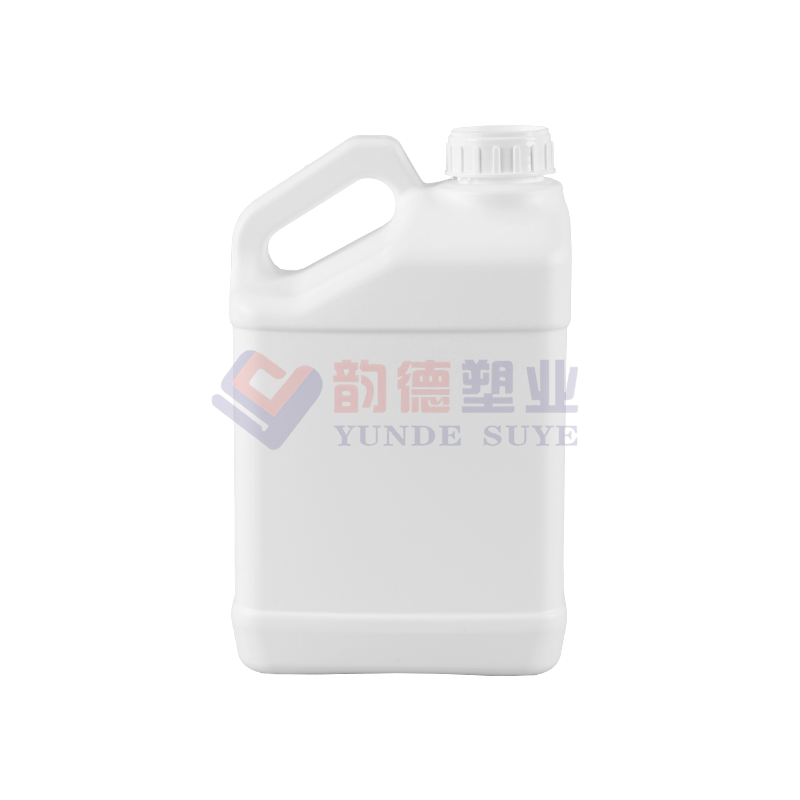
HDPE Square Barrel
-
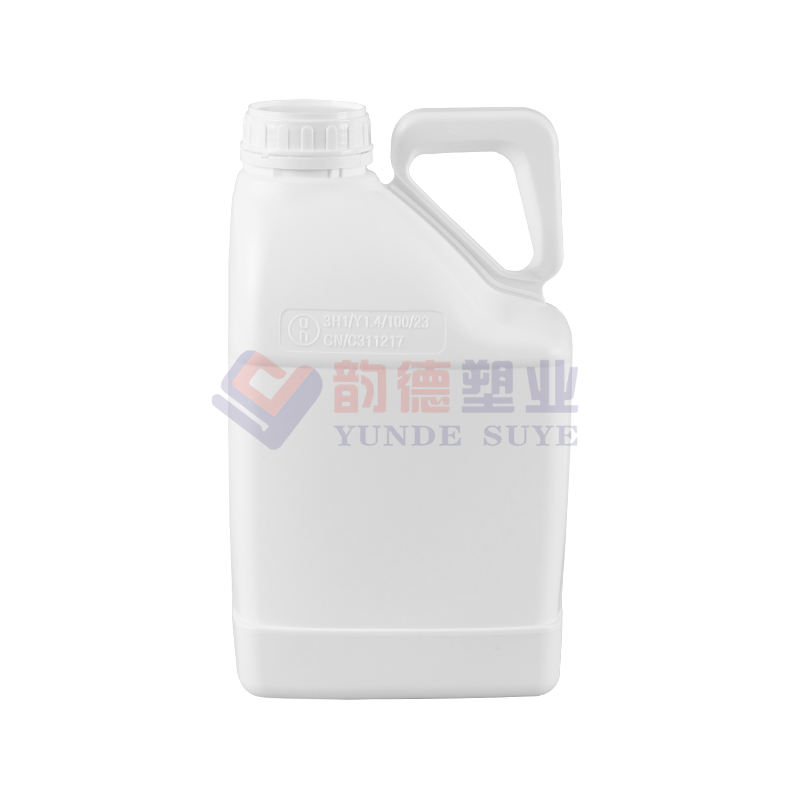
Fluorinated Square Barrels
-
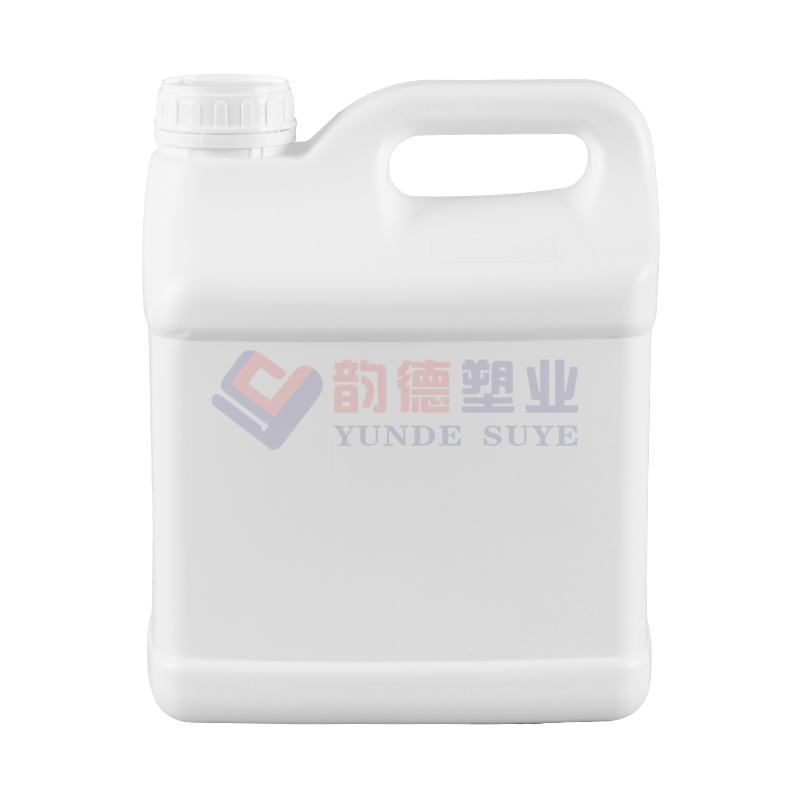
Fluorinated Square Barrels
-
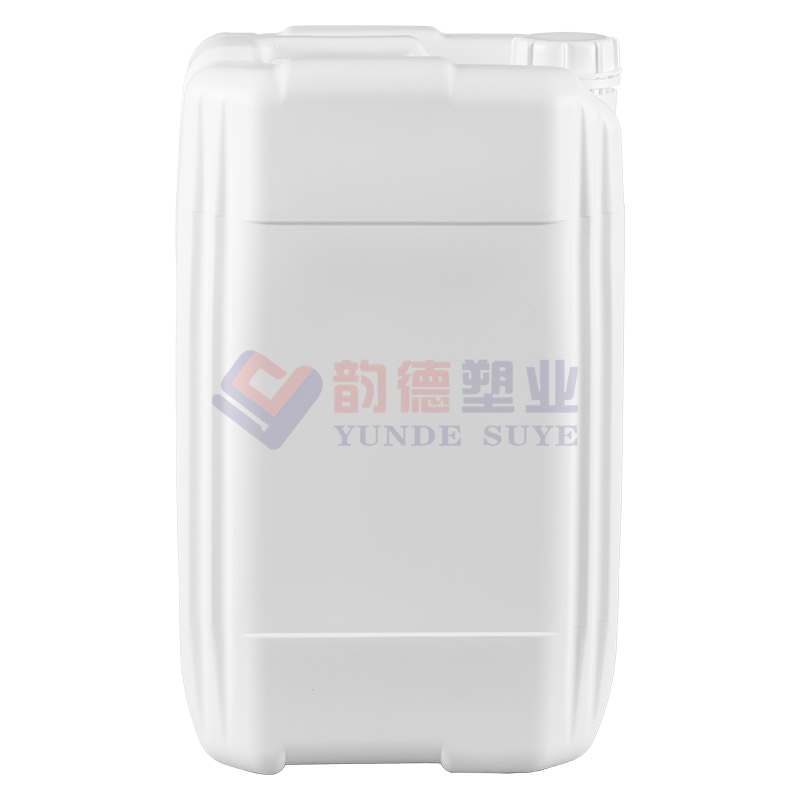
Fluorinated Stacking Barrels
-
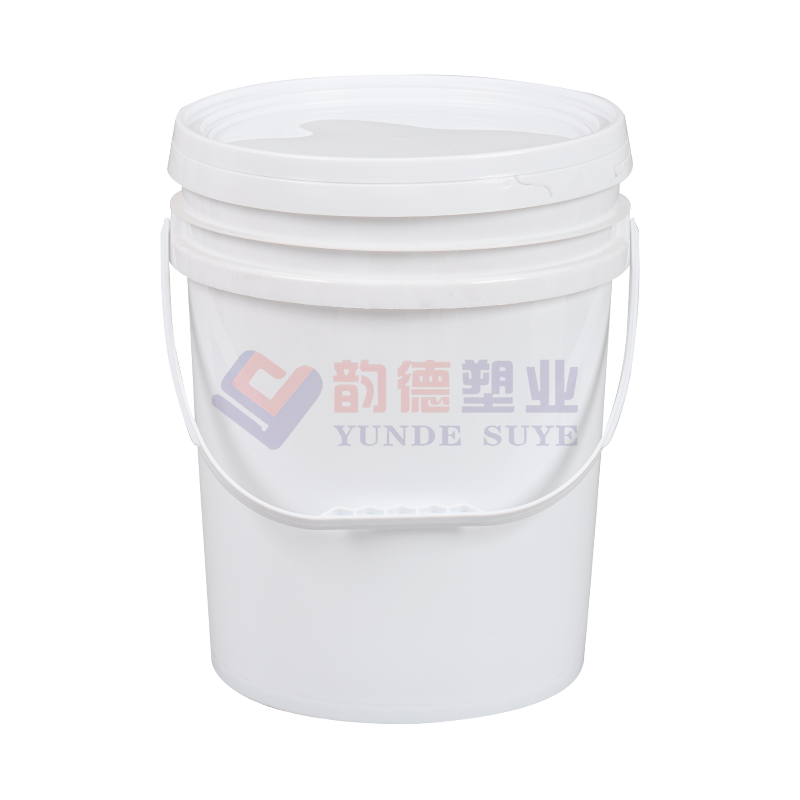
PP Plastic Bucket
-
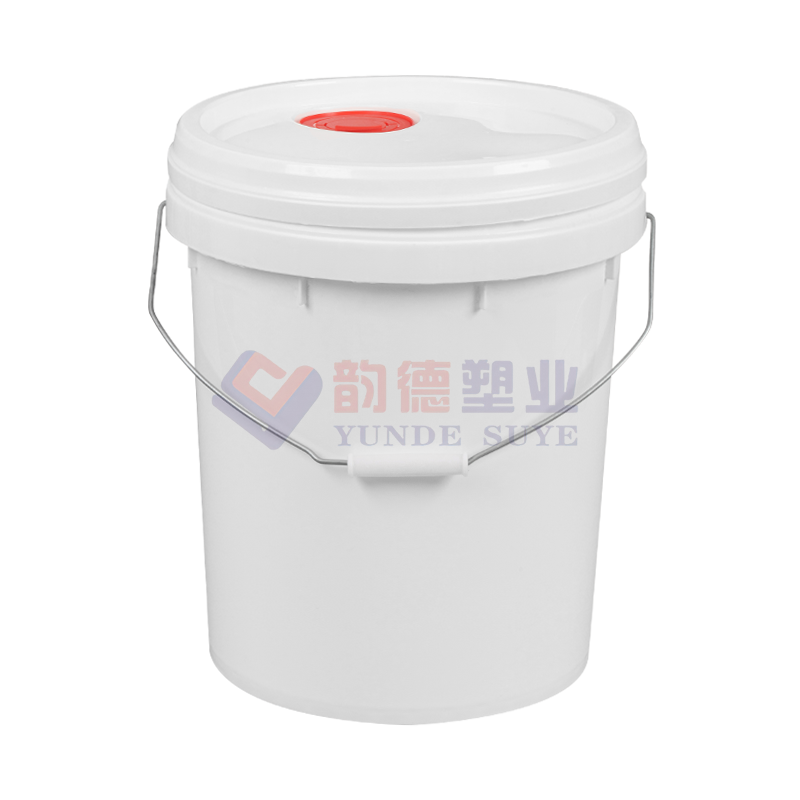
PP Plastic Bucket
-
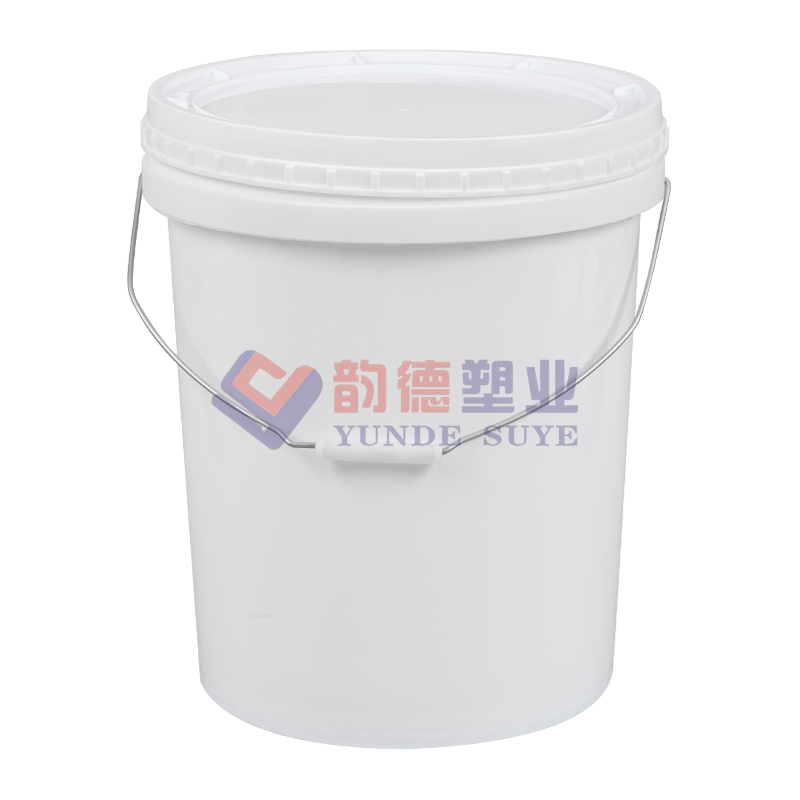
PP Plastic Bucket
-
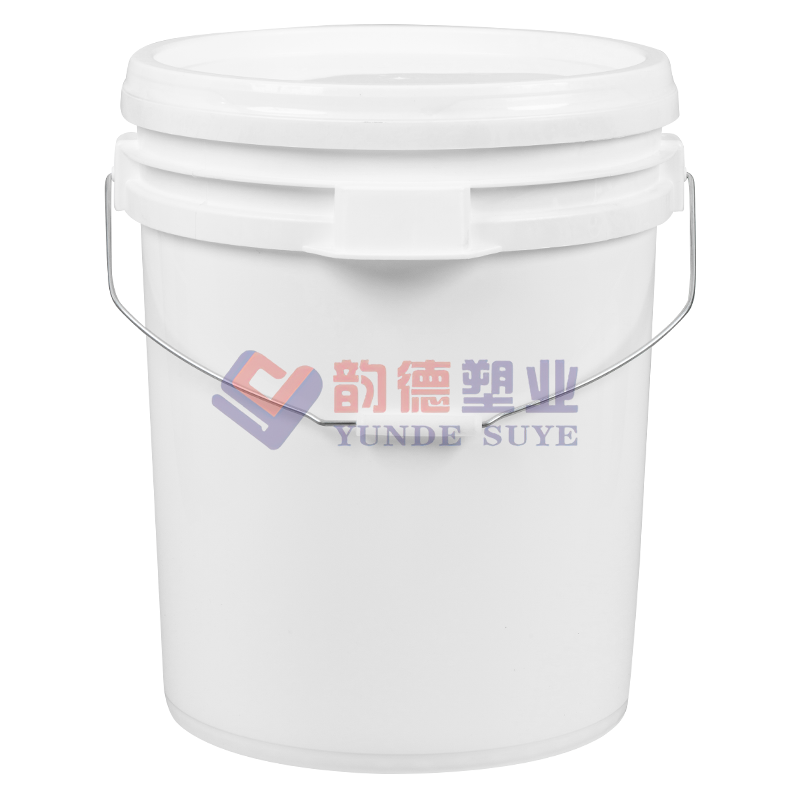
PP Plastic Bucket
LEAVE A MESSAGE
QUICK LINKS
PRODUCTS
CONTACT US
Phone: Ms.jiang
+86-15957492932 / 18058281908
Tel: +86-574-89085869
Ms.zhao: +86-18013378229
E-mail: [email protected]
Address: 588 Songpu Second Road, Cixi Binhai Economic Development Zone, Zhejiang Province (Building 1)
Copyright © Zhejiang Yun De Plastic Technology Co., Ltd. All Rights Reserved.
 Custom HDPE/Fluorination Bottles/Barrels Manufacturers