
 English
 中文简体
中文简体 Español
 عربى
عربىFluorinated Round Bottles
High-Density Fluorinated Square Barrels: Durable Anti-Corrosion Storage Solutions
Why Fluorinated Square Barrels Are Essential for Chemical Storage
Fluorinated square barrels have become a standard choice for storing highly reactive chemicals due to their superior resistance to corrosion, leakage, and chemical degradation. Their square design allows for efficient stacking and maximized warehouse space, which is especially valuable in chemical plants and industrial storage facilities.
Industrial examples show that warehouses using square fluorinated barrels can store up to 15-20% more chemical volume per square meter compared to traditional round barrels, translating into both cost savings and better logistical management.
Material Composition and Advantages
Fluorinated plastic barrels are typically made from high-density polyethylene (HDPE) and treated with a fluorination process that alters the surface layer, creating a chemically inert barrier. This barrier minimizes chemical interaction and reduces the risk of contamination or barrel degradation.
Key Benefits of Fluorinated HDPE
- Resistance to strong acids, bases, and solvents.
- Lower permeability to gases and liquids, preventing leakage.
- Non-stick surface reduces residue buildup during chemical transfer.
- Enhanced durability in varying temperatures and industrial conditions.
In laboratory tests, fluorinated barrels exposed to concentrated hydrochloric acid maintained their structural integrity for over 12 months without visible degradation, highlighting their long-term reliability.
Size, Shape, and Storage Efficiency
The square shape of these barrels allows for tight packing with minimal wasted space, making them more efficient than round barrels in warehouse storage. Many chemical plants report up to 95% space utilization per pallet when using square fluorinated barrels.
| Barrel Type | Volume (L) | Space Utilization (%) |
|---|---|---|
| Round Barrel | 200 | 75 |
| Square Fluorinated Barrel | 200 | 95 |
This efficiency allows industrial facilities to optimize storage, reduce material handling costs, and improve warehouse workflow.
Applications Across Industries
Fluorinated square barrels are widely adopted in industries that require secure, contamination-free storage:
- Chemical manufacturing plants storing acids, alkalis, and solvents.
- Pharmaceutical facilities for safe storage of reactive reagents.
- Food and beverage chemical storage, preventing contamination.
- Laboratories and research centers requiring inert containers for sensitive compounds.
In industrial trials, fluorinated barrels have been shown to extend chemical shelf life by 20-30% compared to non-fluorinated plastic barrels due to reduced chemical reactivity.
Maintenance and Safety Considerations
While fluorinated barrels are highly resistant, proper handling and maintenance further ensure safety and longevity. Avoid using metal tools directly on the barrel surface to prevent scratches. Conduct regular inspections for leakage or deformation, especially under long-term storage conditions.
Storage Recommendations
- Store in shaded or indoor areas to limit UV exposure.
- Use pallets to elevate barrels from the floor and avoid moisture contact.
- Label chemicals clearly and maintain segregation based on chemical compatibility.
- Avoid stacking barrels too high; follow manufacturer guidelines to prevent deformation.
Selecting the Right Fluorinated Barrel
Choosing the correct fluorinated barrel depends on chemical type, storage volume, and environment. High-density fluorinated barrels are suitable for highly corrosive chemicals and long-term storage, while standard fluorinated barrels are appropriate for less reactive substances.
Ensure that barrels comply with safety certifications, such as UN/DOT approvals for hazardous materials, to facilitate secure transport and meet regulatory requirements.
Industrial case studies show that integrating fluorinated barrels into chemical storage systems reduces accidental corrosion and contamination incidents by over 40%, highlighting their critical role in modern industrial operations.
Related Products
-
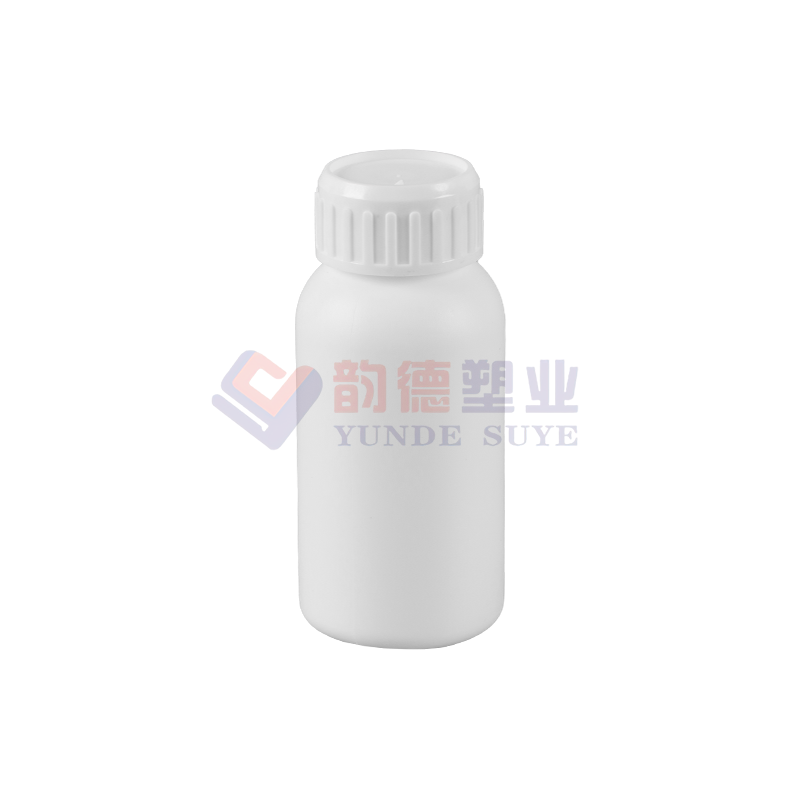
-
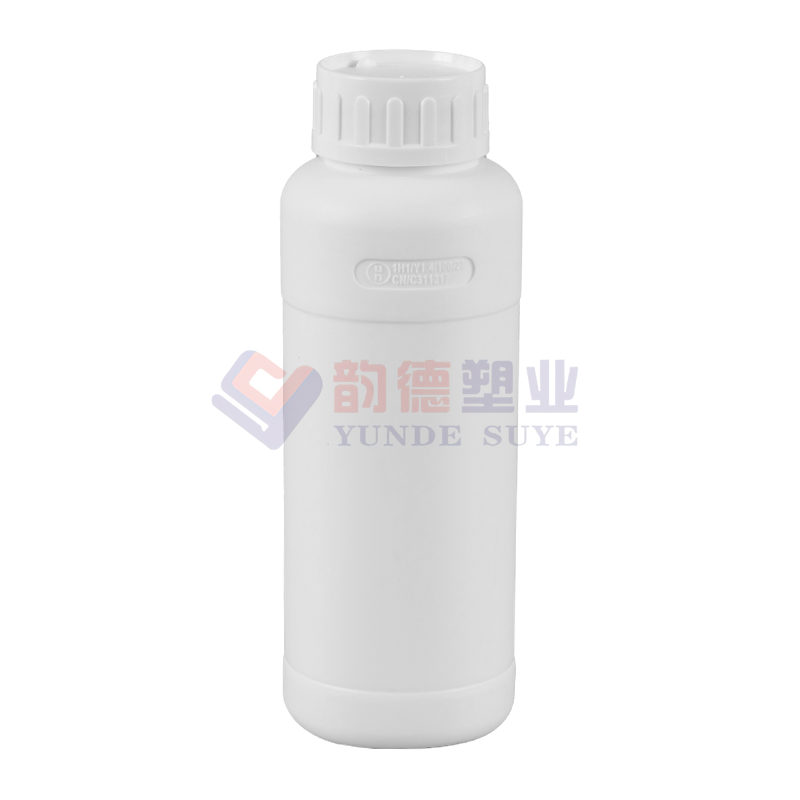
Fluorinated Round Bottles
-
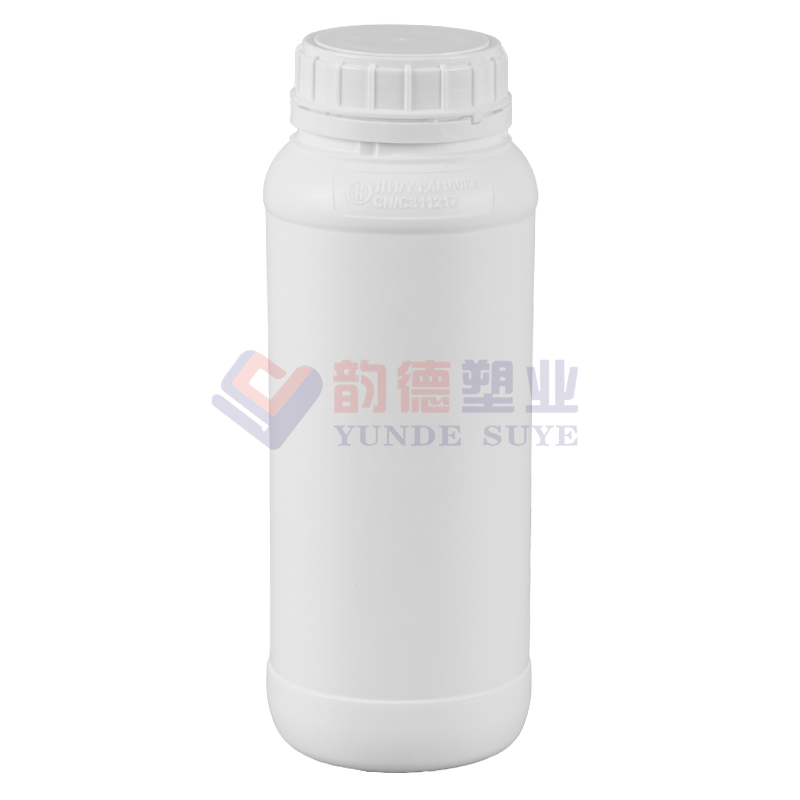
Fluorinated Round Bottles
-
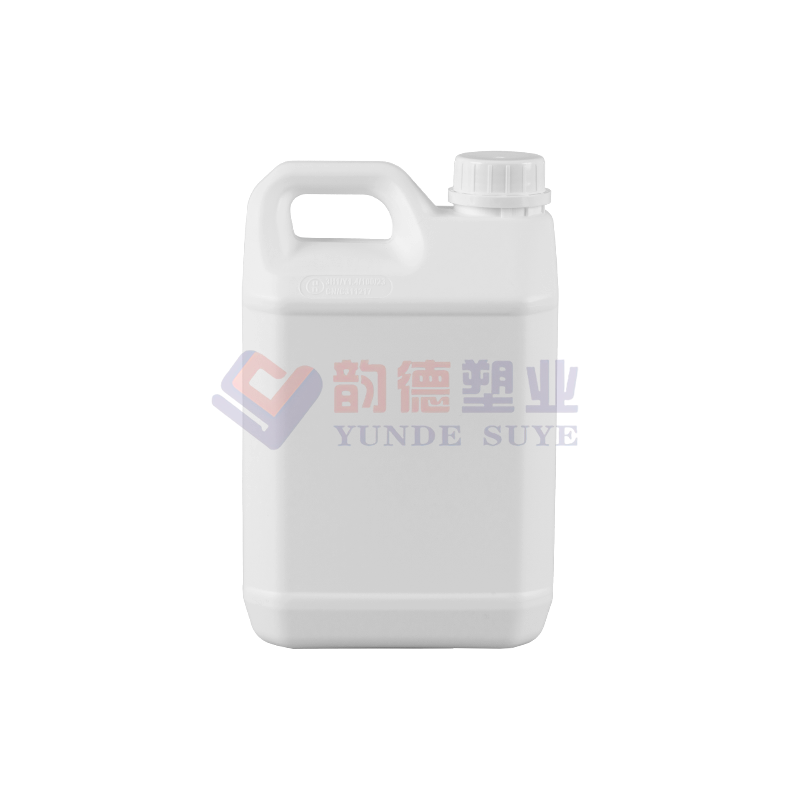
HDPE Square Barrel
-
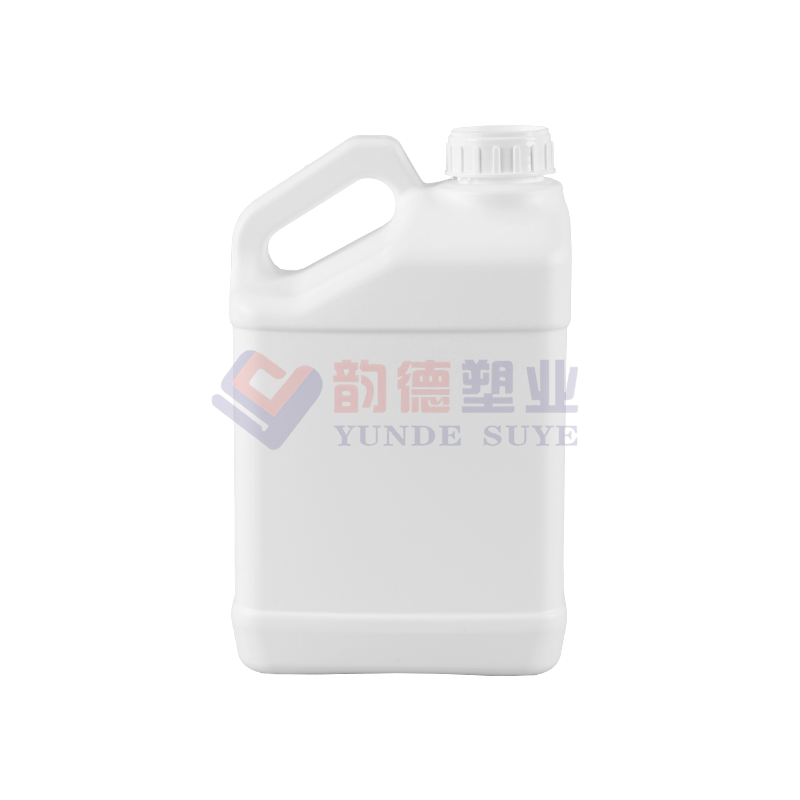
HDPE Square Barrel
-
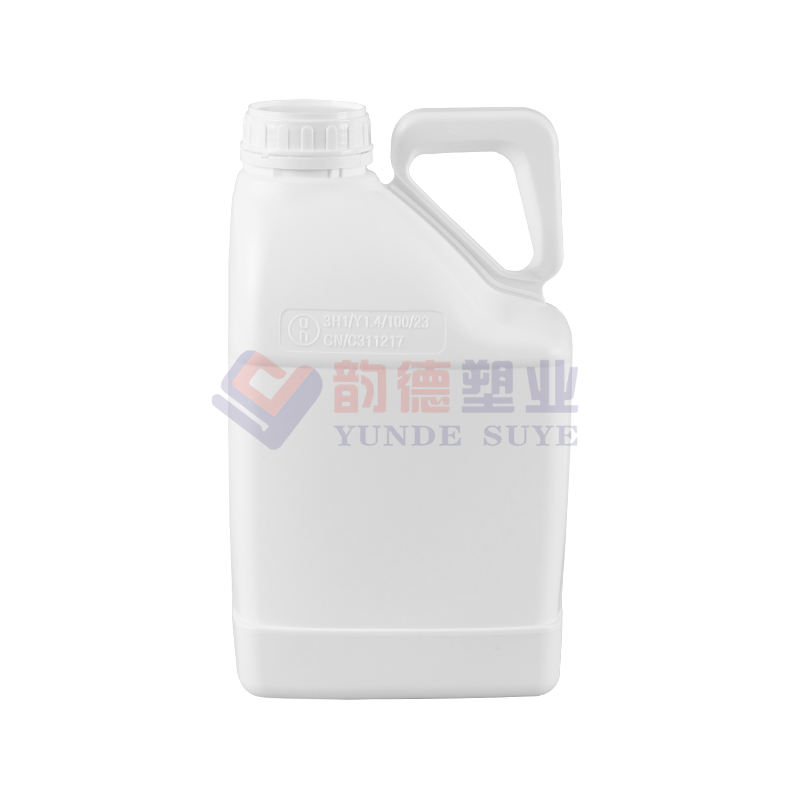
Fluorinated Square Barrels
-
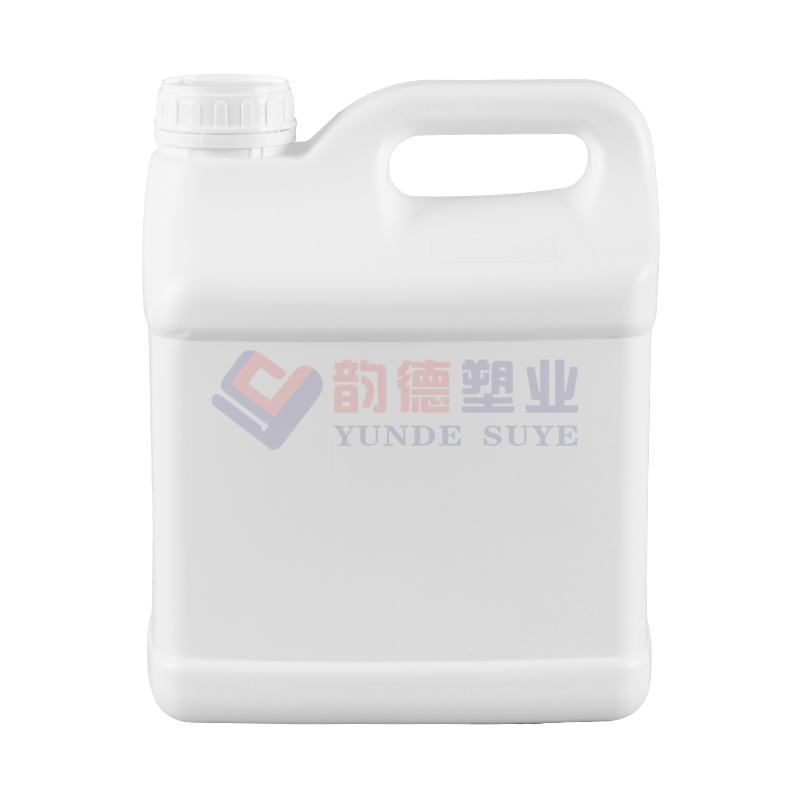
Fluorinated Square Barrels
-
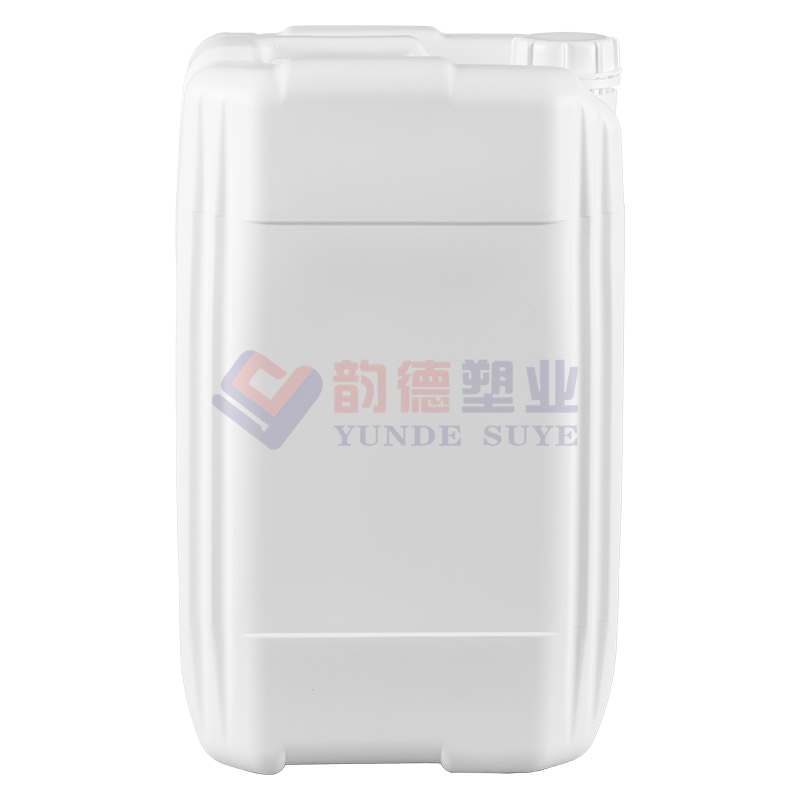
Fluorinated Stacking Barrels
-
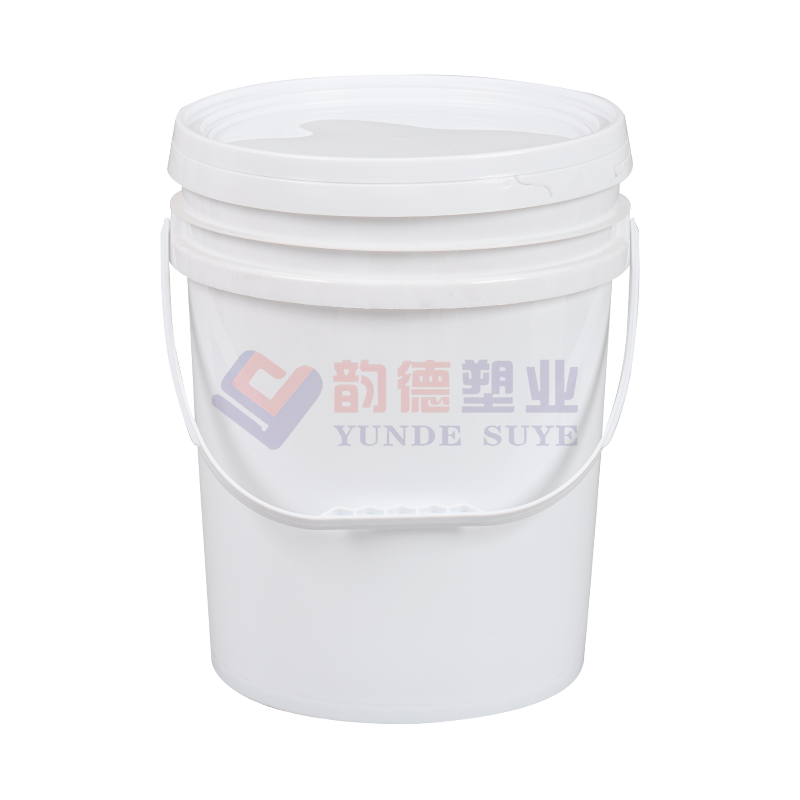
PP Plastic Bucket
-
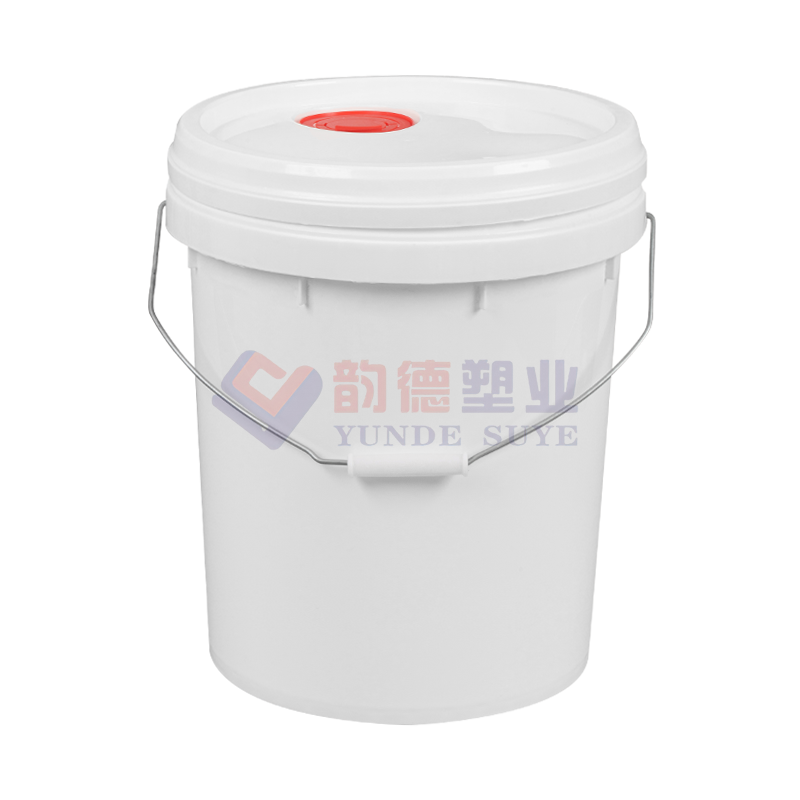
PP Plastic Bucket
-
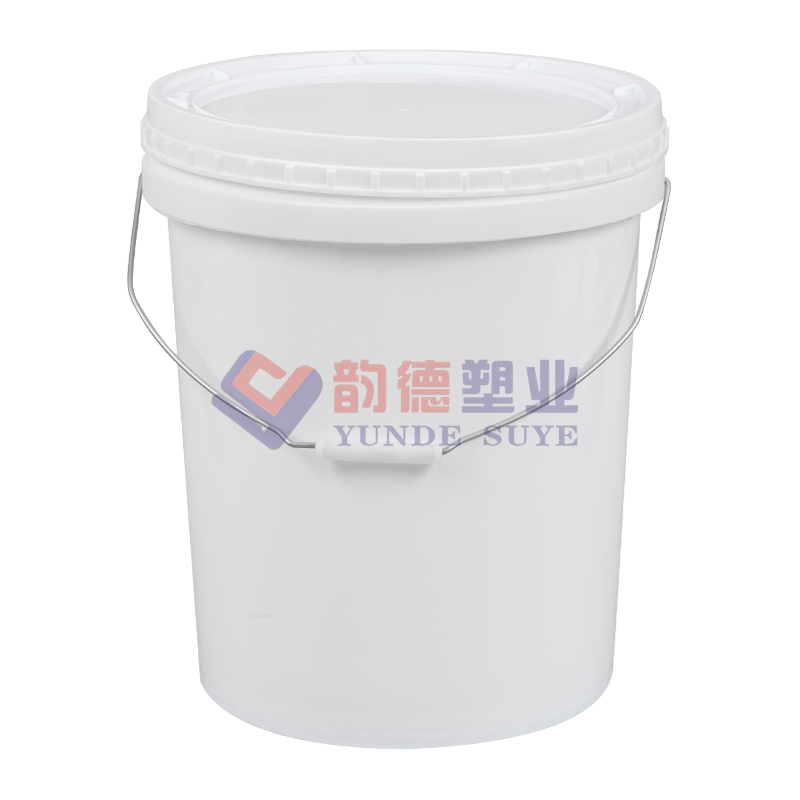
PP Plastic Bucket
-
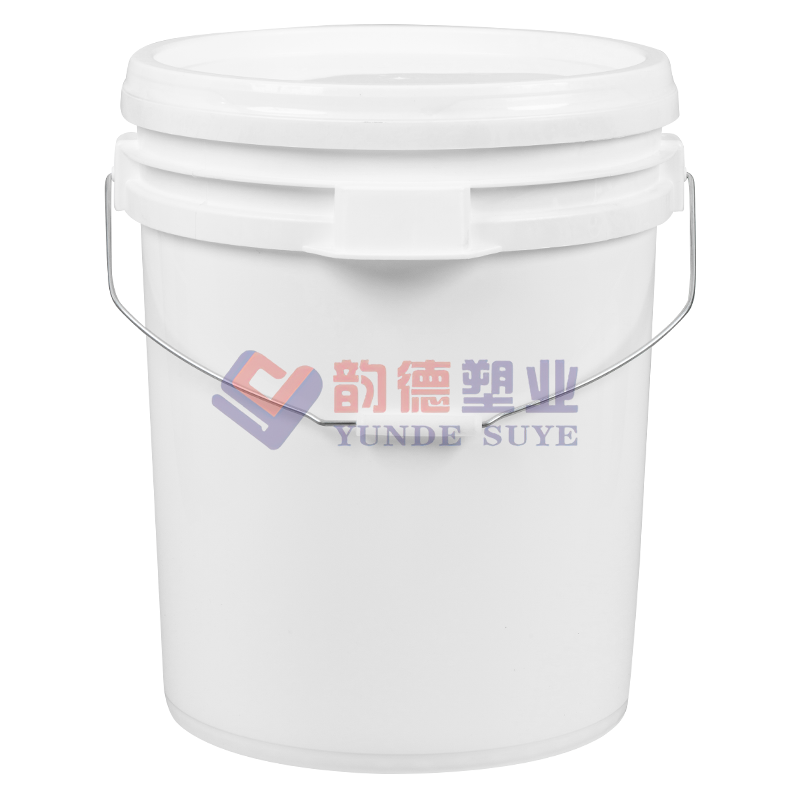
PP Plastic Bucket
LEAVE A MESSAGE
QUICK LINKS
PRODUCTS
CONTACT US
Phone: Ms.jiang
+86-15957492932 / 18058281908
Tel: +86-574-89085869
Ms.zhao: +86-18013378229
E-mail: [email protected]
Address: 588 Songpu Second Road, Cixi Binhai Economic Development Zone, Zhejiang Province (Building 1)
Copyright © Zhejiang Yun De Plastic Technology Co., Ltd. All Rights Reserved.
 Custom HDPE/Fluorination Bottles/Barrels Manufacturers