
 English
 中文简体
中文简体 Español
 عربى
عربىFluorinated Round Bottles
Fluorinated Stacking Barrels: Key Features, Benefits, and Applications
What Are Fluorinated Stacking Barrels?
Fluorinated stacking barrels are specially designed containers made of high-density polyethylene (HDPE) that have been treated with a fluorine-based process to enhance their resistance to chemicals. These barrels are commonly used in the storage and transportation of hazardous, corrosive, or volatile materials, including chemicals, solvents, and oils. The fluorination process modifies the surface of the plastic to make it more resistant to chemical interaction, ensuring safer storage of substances that might otherwise damage standard plastic containers.
Key Features of Fluorinated Stacking Barrels
Fluorinated stacking barrels offer a variety of features that make them ideal for the storage and transportation of hazardous materials. These features include:
- Enhanced chemical resistance: The fluorination process gives the barrel an extra layer of protection, making it highly resistant to harsh chemicals and solvents.
- Stackability: These barrels are designed to be stackable, maximizing storage space and minimizing the risk of spills during transportation.
- Durability: Fluorinated barrels are designed to withstand the rigors of transportation and handling, ensuring long-lasting performance even under challenging conditions.
- Corrosion resistance: Fluorinated plastic is highly resistant to corrosion, even when in contact with aggressive chemicals or harsh environmental conditions.
- Low permeability: The fluorination process reduces the permeability of the barrel, minimizing the chances of leaks or vapor escape from volatile materials.
Fluorination Process: How It Works
The fluorination process involves exposing HDPE barrels to a fluorine gas in a controlled environment. The fluorine molecules bond with the surface of the plastic, creating a thin, impermeable layer that enhances its chemical resistance. This treatment also improves the barrel’s overall strength and durability, enabling it to safely store a wider range of chemicals and liquids than untreated barrels.
The fluorination process is highly effective in making the surface of the barrel resistant to a wide range of chemicals, including acids, alkalis, and organic solvents. Additionally, the fluorinated layer helps protect against ultraviolet (UV) degradation, which can weaken standard plastic containers over time.
Applications of Fluorinated Stacking Barrels
Fluorinated stacking barrels are used in a variety of industries where the storage and transport of hazardous chemicals are required. Some of the most common applications include:
1. Chemical Industry
In the chemical industry, fluorinated stacking barrels are ideal for safely storing and transporting chemicals, including aggressive solvents, acids, and bases. The barrels are used to contain both raw materials and finished products, offering reliable protection against leakage and contamination during transit.
2. Pharmaceutical Industry
The pharmaceutical industry uses fluorinated barrels to store sensitive chemicals and raw materials that require strict environmental controls. Fluorinated barrels provide the necessary protection against chemical reactions that could compromise the quality and safety of pharmaceutical products.
3. Oil and Gas Industry
In the oil and gas industry, fluorinated barrels are used for storing and transporting oils, lubricants, and other petroleum-based products. These barrels ensure that the contents remain secure and uncontaminated, even in harsh environments.
4. Agriculture and Fertilizers
Fluorinated barrels are also used in agriculture to store pesticides, herbicides, and fertilizers. These chemicals often contain corrosive substances, and the durability and chemical resistance of fluorinated barrels make them an ideal choice for safe containment and transport.
Advantages Over Standard Plastic Barrels
Fluorinated stacking barrels offer several advantages over standard plastic barrels, making them the preferred choice for hazardous material storage:
- Better chemical resistance: Fluorinated barrels are more resistant to chemicals and solvents compared to untreated HDPE barrels.
- Increased durability: The fluorination process makes the barrel stronger and more durable, reducing the likelihood of damage during handling or transport.
- Longer lifespan: Fluorinated barrels are more resistant to wear and tear, allowing them to be used for longer periods, even under harsh conditions.
- Lower risk of leaks and contamination: The fluorinated surface significantly reduces the permeability of the barrels, minimizing the risk of leaks or vapor release.
Fluorinated Stacking Barrels in Environmental Safety
Environmental safety is one of the key considerations in the design of fluorinated stacking barrels. These barrels help minimize the risk of chemical leaks and spills, which could have disastrous effects on the environment. The strong, chemical-resistant properties of fluorinated barrels make them suitable for storing and transporting hazardous chemicals without posing a risk to soil, water, or air quality.
Furthermore, because fluorinated barrels are stackable, they maximize storage efficiency and reduce the amount of space needed for hazardous material storage, which is especially important in industries that must comply with strict environmental regulations and safety standards.
Why Choose Fluorinated Stacking Barrels?
Fluorinated stacking barrels are an essential solution for industries dealing with hazardous chemicals and volatile substances. Their enhanced chemical resistance, durability, and ability to prevent leaks make them the preferred choice for safe storage and transportation. Whether for chemicals, pharmaceuticals, or agricultural products, these barrels provide unmatched protection and contribute to overall environmental safety, ensuring that materials are transported and stored without risk of contamination or damage.
Related Products
-
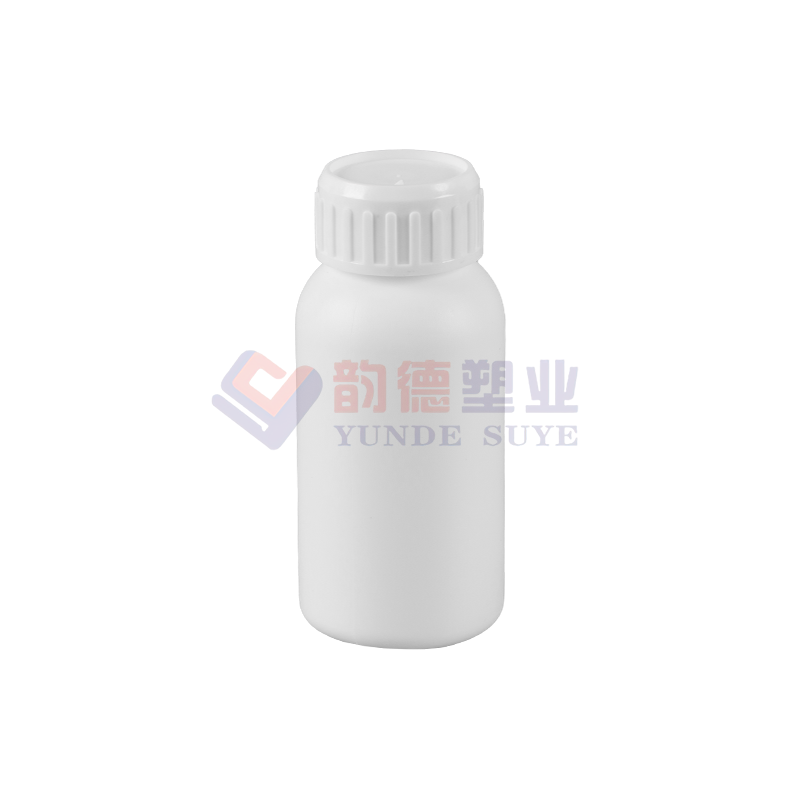
-
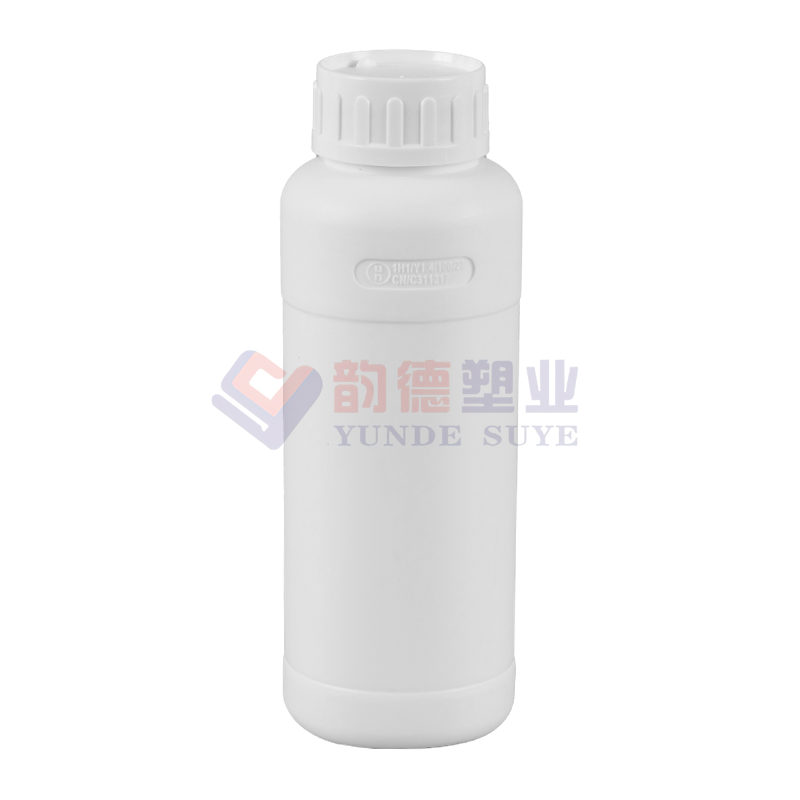
Fluorinated Round Bottles
-
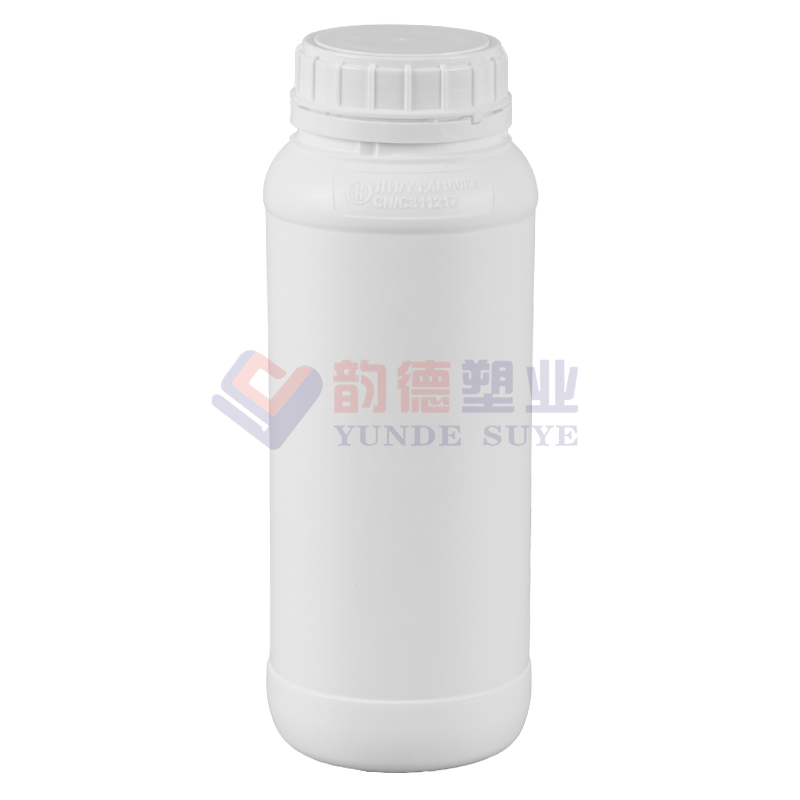
Fluorinated Round Bottles
-
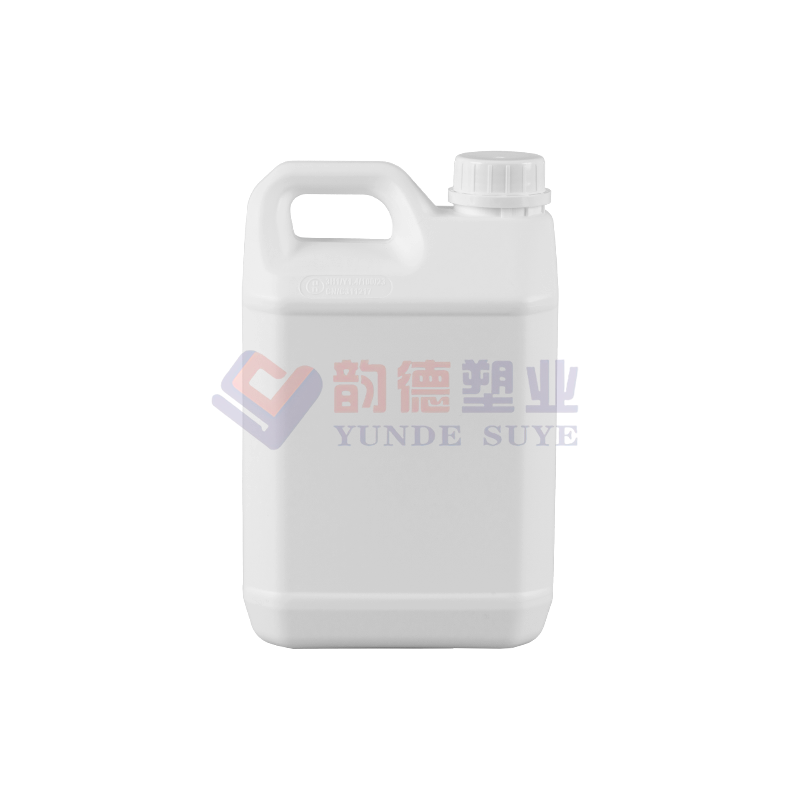
HDPE Square Barrel
-
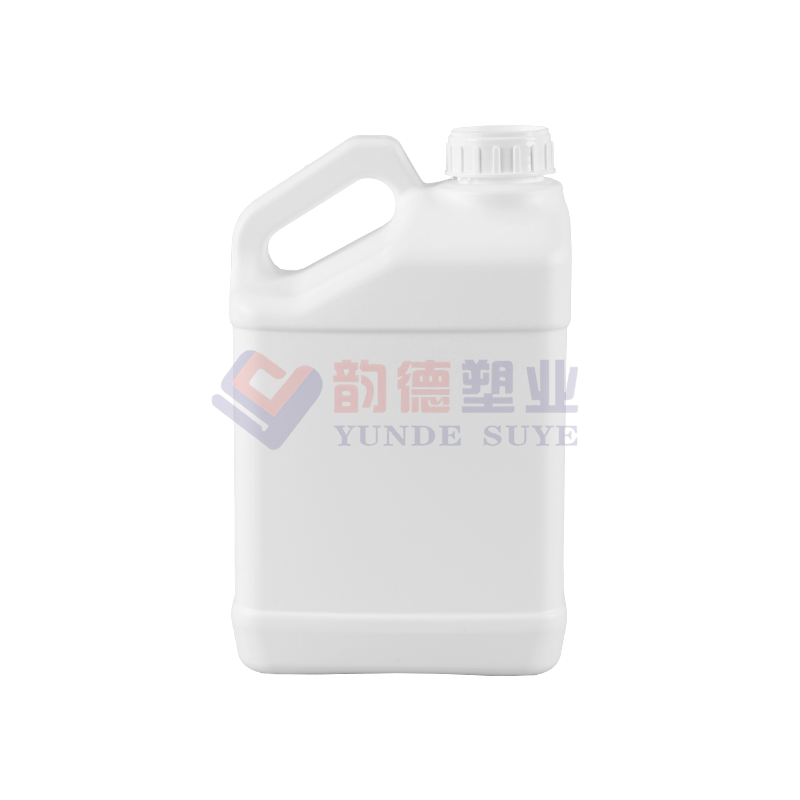
HDPE Square Barrel
-
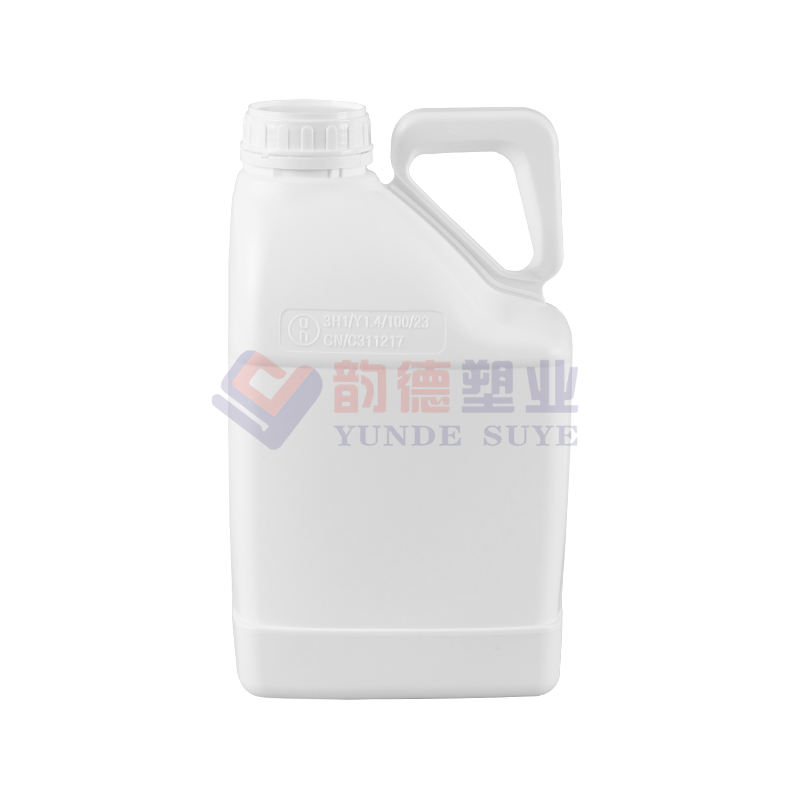
Fluorinated Square Barrels
-
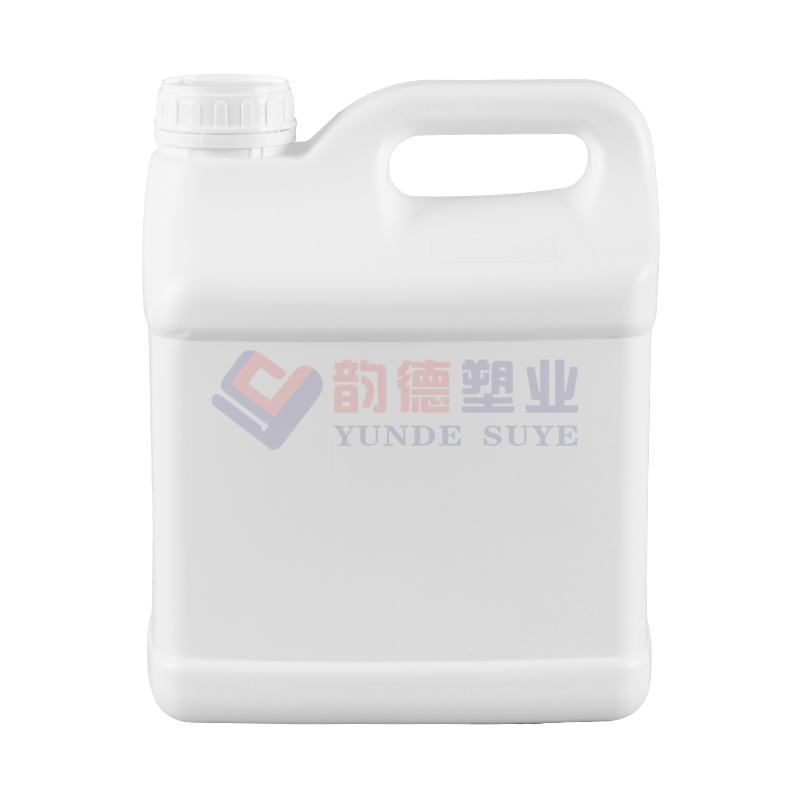
Fluorinated Square Barrels
-
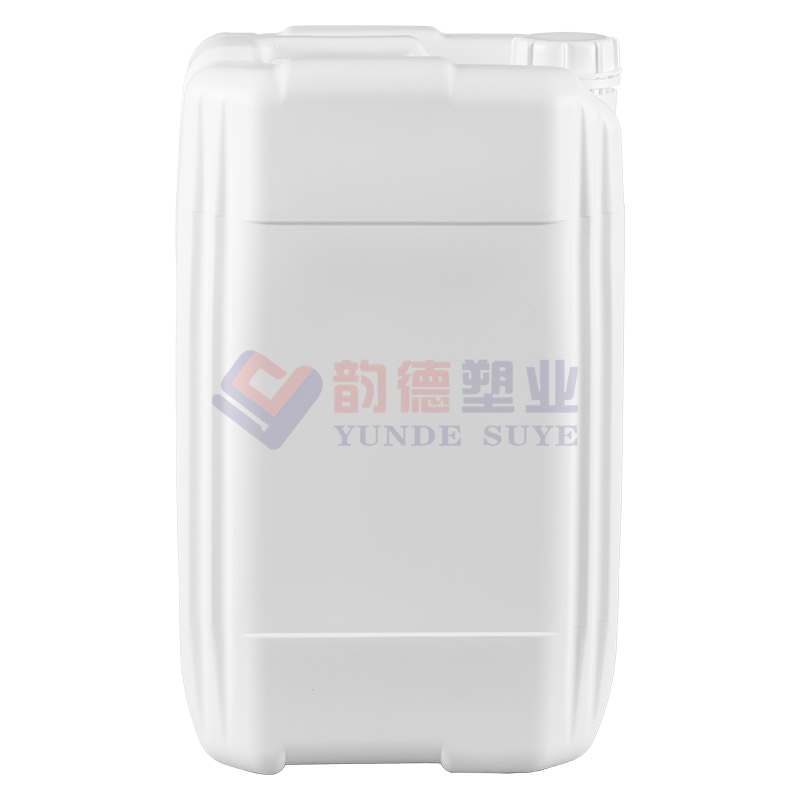
Fluorinated Stacking Barrels
-
PP Plastic Bucket
-
PP Plastic Bucket
-
PP Plastic Bucket
-
PP Plastic Bucket
LEAVE A MESSAGE
QUICK LINKS
PRODUCTS
CONTACT US
Phone: Ms.jiang
+86-15957492932 / 18058281908
Tel: +86-574-89085869
Ms.zhao: +86-18013378229
E-mail: [email protected]
Address: 588 Songpu Second Road, Cixi Binhai Economic Development Zone, Zhejiang Province (Building 1)
Copyright © Zhejiang Yun De Plastic Technology Co., Ltd. All Rights Reserved.
 Custom HDPE/Fluorination Bottles/Barrels Manufacturers