
 English
 中文简体
中文简体 Español
 عربى
عربىFluorinated Round Bottles
Can fluorinated round bottles improve the shelf life and stability of a product?
Introduction to Fluorinated Round Bottles
Fluorinated round bottles are commonly used in the packaging of various consumer products, including foods, beverages, pharmaceuticals, and chemicals. These bottles are made from plastic materials that have been treated with fluorine gas, which alters the molecular structure of the plastic, making it more resistant to permeation and chemical degradation. Fluorination is a process that helps enhance the properties of the packaging, improving its ability to protect the contents from external elements such as air, moisture, and light.
Understanding Fluorination and Its Effects on Plastic
Fluorination is a chemical process where fluorine gas is introduced to a plastic surface, typically made of polyethylene (PE) or polyethylene terephthalate (PET). The fluorine reacts with the surface molecules, replacing some of the hydrogen atoms with fluorine atoms. This process creates a thin, impermeable layer on the surface of the plastic that offers enhanced resistance to gases, moisture, and chemicals. The resulting fluorinated surface is less likely to absorb or release substances, which can improve the stability of the contents inside the bottle.
The key advantage of fluorination is that it helps reduce the permeability of the bottle to oxygen, carbon dioxide, and water vapor. This is especially important for products that are sensitive to air exposure, moisture, or light, as it helps to prevent the degradation of the contents over time. By improving the barrier properties of the packaging, fluorination can extend the shelf life of a product, maintain its flavor, and preserve its chemical composition.
The Role of Fluorinated Bottles in Shelf Life Extension
One of the primary reasons for using fluorinated round bottles in packaging is their ability to extend the shelf life of the product. Shelf life refers to the length of time a product remains safe to consume or use without significant deterioration in quality or effectiveness. In the case of foods and beverages, shelf life is determined by factors such as spoilage, oxidation, and contamination from external sources.
Fluorinated bottles are effective at minimizing the negative impact of oxygen exposure, which is a common cause of spoilage and degradation. Oxygen can promote the oxidation of fats, oils, and other compounds, leading to rancidity, off-flavors, and changes in texture. By reducing the permeability of the packaging to oxygen, fluorinated bottles help preserve the freshness and taste of the product for a longer period. Similarly, fluorination can reduce the absorption of moisture from the environment, preventing the growth of mold, bacteria, and other microorganisms that can cause spoilage.
Improved Stability of Sensitive Products
Many products, particularly in the food, pharmaceutical, and cosmetic industries, contain ingredients that are sensitive to light, air, and moisture. For example, vitamins, antioxidants, and certain preservatives can degrade when exposed to oxygen or light. Pharmaceutical products, such as certain antibiotics and vaccines, may lose their potency when exposed to environmental factors. Fluorinated round bottles provide an added layer of protection against these risks, ensuring that the contents remain stable and effective over time.
In the food and beverage industry, products like juices, dairy products, and oils are prone to oxidation, which can affect their color, flavor, and nutritional value. By using fluorinated bottles, manufacturers can reduce the chances of oxidative damage, preserving the taste and appearance of the product. Similarly, for pharmaceutical and cosmetic products, the integrity of the ingredients is crucial for maintaining efficacy and safety. Fluorinated bottles help prevent the degradation of sensitive compounds, ensuring that the product remains effective until its expiration date.
Barrier Properties of Fluorinated Bottles
The barrier properties of fluorinated round bottles are one of the most important factors in improving the shelf life and stability of a product. These bottles offer superior protection against the transmission of gases, moisture, and other external elements. The fluorination process creates a barrier that reduces the migration of substances between the bottle and the environment, helping to maintain the chemical stability of the contents inside.
In addition to oxygen and moisture, fluorinated bottles can provide protection against the migration of volatile organic compounds (VOCs) from the surrounding environment. VOCs can have negative effects on the flavor and odor of food products, as well as the stability of pharmaceutical and cosmetic products. By preventing the permeation of VOCs, fluorinated bottles help maintain the purity of the product and reduce the likelihood of contamination from external sources.
Fluorinated Bottles in the Beverage Industry
In the beverage industry, the use of fluorinated round bottles has become increasingly popular due to their ability to extend shelf life and preserve the quality of drinks. Beverages, especially those that are carbonated, can be highly susceptible to changes in flavor and carbonation due to gas permeation through the bottle material. Fluorinated bottles offer an effective solution by providing a barrier against the escape of carbon dioxide, helping to maintain the effervescence and taste of the drink for a longer period.
For non-carbonated beverages, such as juices, smoothies, and bottled water, fluorinated bottles help preserve the flavor and nutritional content by reducing the oxidation of vitamins, antioxidants, and other sensitive ingredients. In addition, these bottles help protect the beverages from contamination by external sources, such as air and moisture, which can lead to spoilage or changes in color and taste. As consumers continue to demand products with longer shelf lives and better quality, fluorinated round bottles offer a valuable packaging solution for the beverage industry.
Fluorinated Bottles in the Pharmaceutical and Cosmetic Industries
The pharmaceutical and cosmetic industries rely heavily on packaging that can maintain the integrity and effectiveness of their products over time. Fluorinated bottles provide a secure and stable environment for these sensitive products, protecting them from external factors that could cause degradation. For pharmaceuticals, the protection against oxygen and moisture is particularly important for maintaining the potency of medications, especially those that are sensitive to environmental conditions.
Similarly, in the cosmetic industry, packaging that prevents the degradation of ingredients such as vitamins, oils, and active compounds is crucial for ensuring that the product maintains its intended effect. Fluorinated round bottles help protect the integrity of cosmetic formulations, ensuring that they remain safe and effective until their expiration date. By using fluorinated packaging, manufacturers can offer consumers products that are both high-quality and long-lasting, reducing the risk of spoilage or loss of efficacy.
Environmental Considerations and Sustainability
While fluorinated bottles offer significant benefits in terms of product preservation and stability, there are environmental considerations associated with their production and disposal. The fluorination process itself involves the use of fluorine gas, which can have environmental impacts if not handled properly. Additionally, the increased barrier properties of fluorinated bottles may make them more difficult to recycle compared to non-fluorinated plastics. As a result, some manufacturers are exploring alternative packaging materials and technologies that offer similar benefits without the environmental concerns associated with fluorination.
To address these concerns, many companies are working to improve the sustainability of their packaging solutions. This includes developing fluorinated bottles that are made from recyclable materials, as well as exploring the use of biodegradable or compostable plastics. In addition, the use of lighter-weight bottles and more efficient production processes can help reduce the environmental footprint of fluorinated packaging while still providing the same protective benefits to the product.
Cost Considerations of Fluorinated Bottles
The use of fluorinated round bottles can add to the overall cost of packaging. Fluorination is a specialized process that requires additional equipment and expertise, which can increase the manufacturing cost compared to standard plastic bottles. However, for certain products that require extended shelf life or enhanced stability, the added cost may be justified by the benefits of improved product quality and longer shelf life. For manufacturers, it is important to weigh the potential cost of fluorinated packaging against the potential savings from reduced product spoilage and waste.
In the beverage, pharmaceutical, and cosmetic industries, the value of maintaining product integrity and consumer satisfaction often outweighs the additional cost of fluorinated packaging. However, for lower-cost products, the cost-benefit analysis may not be as favorable. As a result, fluorinated bottles are most commonly used for high-value products that require superior protection against external factors.
The Benefits and Challenges of Fluorinated Round Bottles
Fluorinated round bottles offer significant advantages in terms of improving the shelf life and stability of a wide range of products. By enhancing the barrier properties of the packaging, fluorination helps protect the contents from oxygen, moisture, and contaminants, which can extend the freshness and effectiveness of foods, beverages, pharmaceuticals, and cosmetics. However, there are also environmental and cost considerations that must be taken into account when using fluorinated bottles. As manufacturers continue to seek more sustainable and cost-effective solutions, fluorinated packaging remains a valuable option for ensuring the quality and longevity of sensitive products.
Related Products
-
-
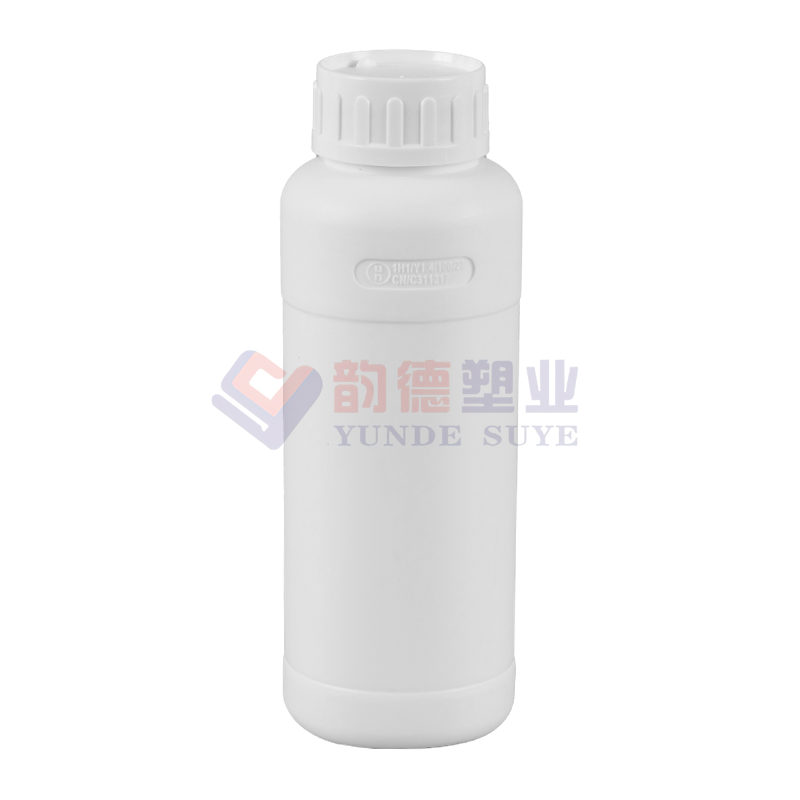
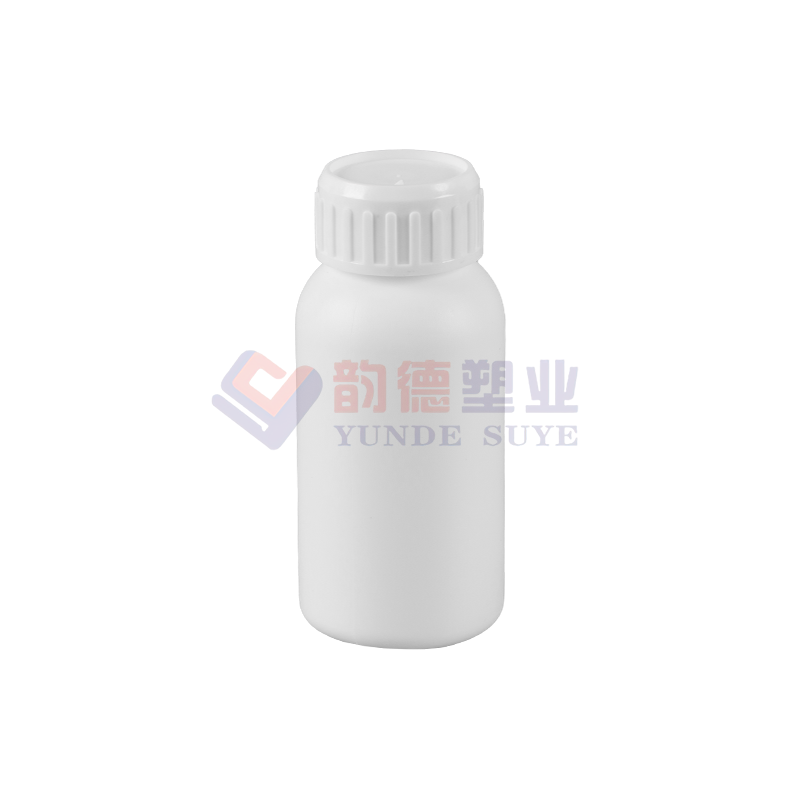
Fluorinated Round Bottles
-
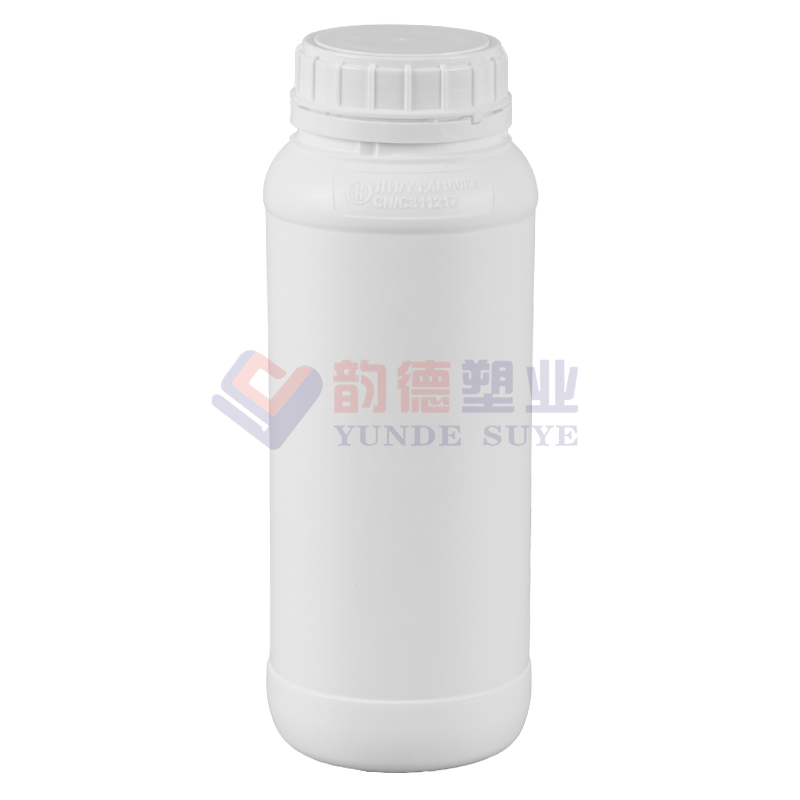
Fluorinated Round Bottles
-
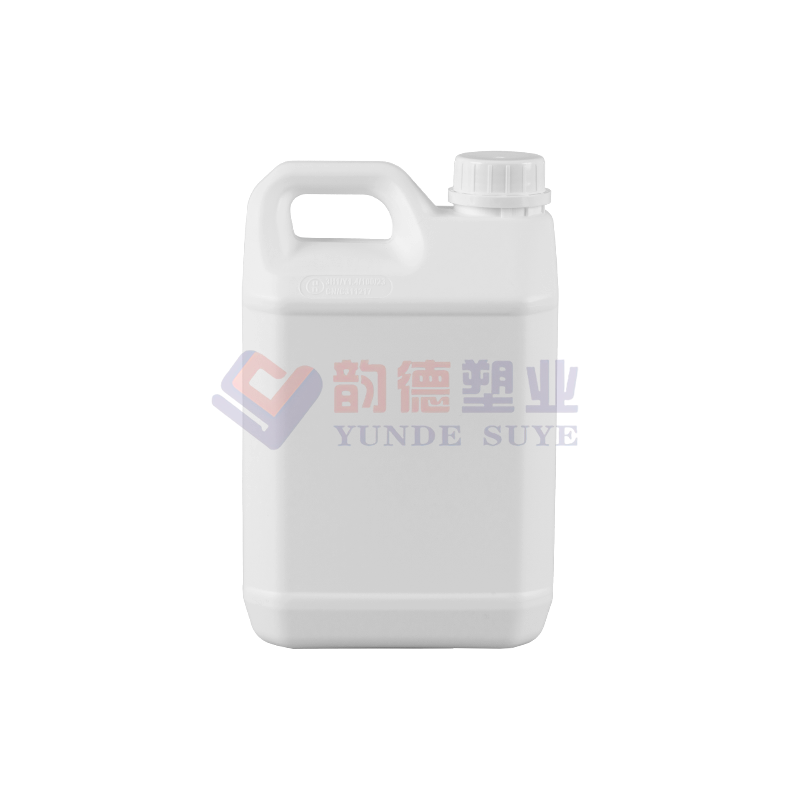
HDPE Square Barrel
-
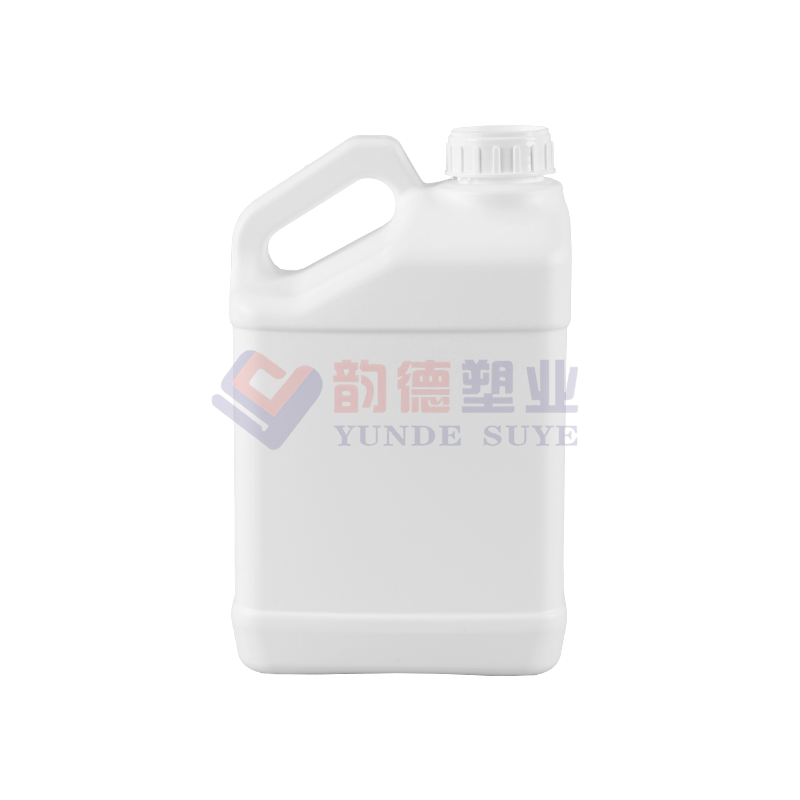
HDPE Square Barrel
-
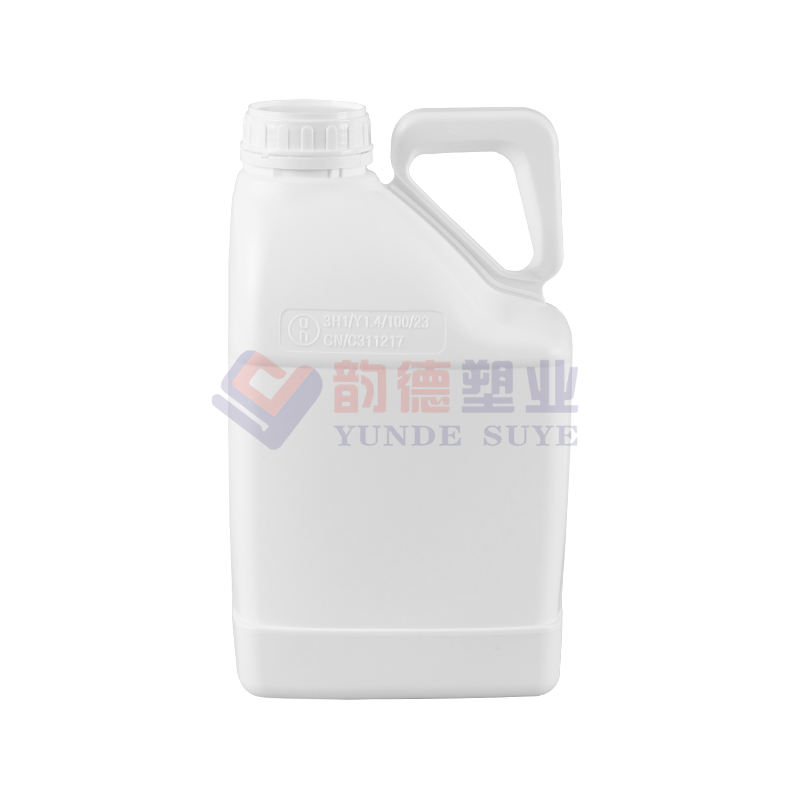
Fluorinated Square Barrels
-
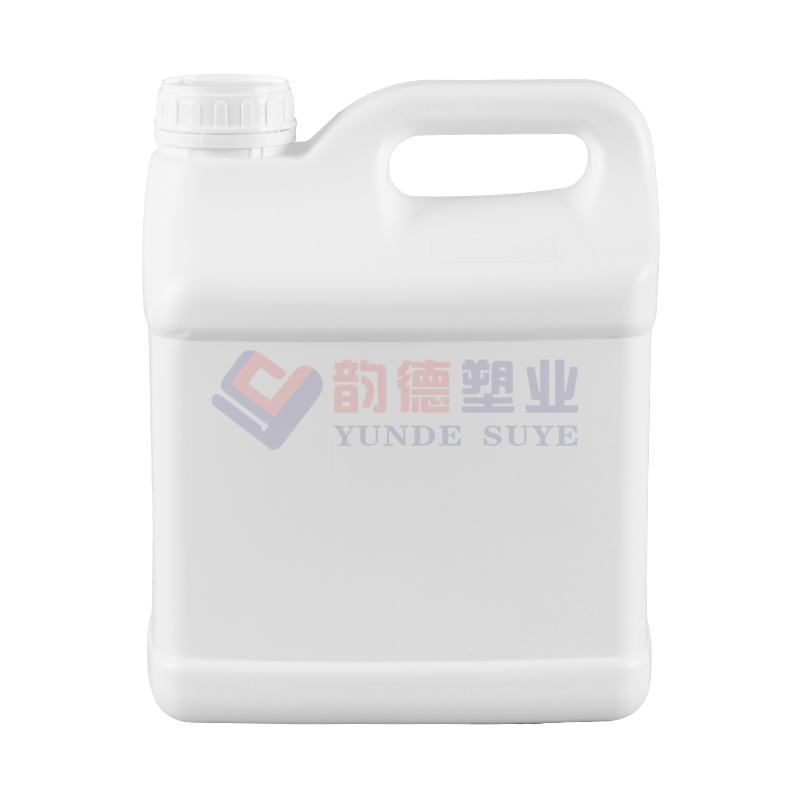
Fluorinated Square Barrels
-
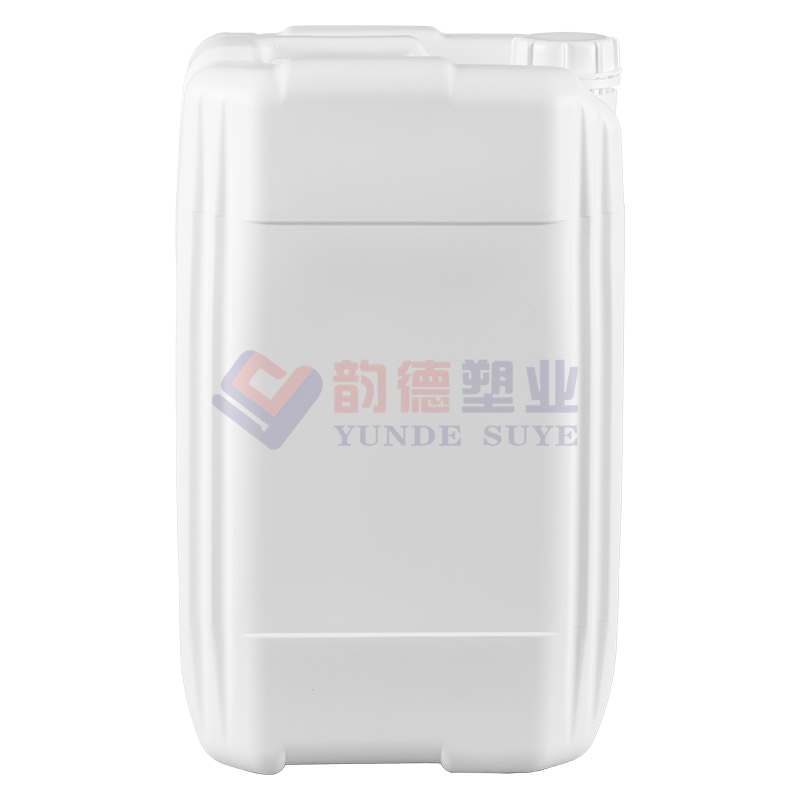
Fluorinated Stacking Barrels
-
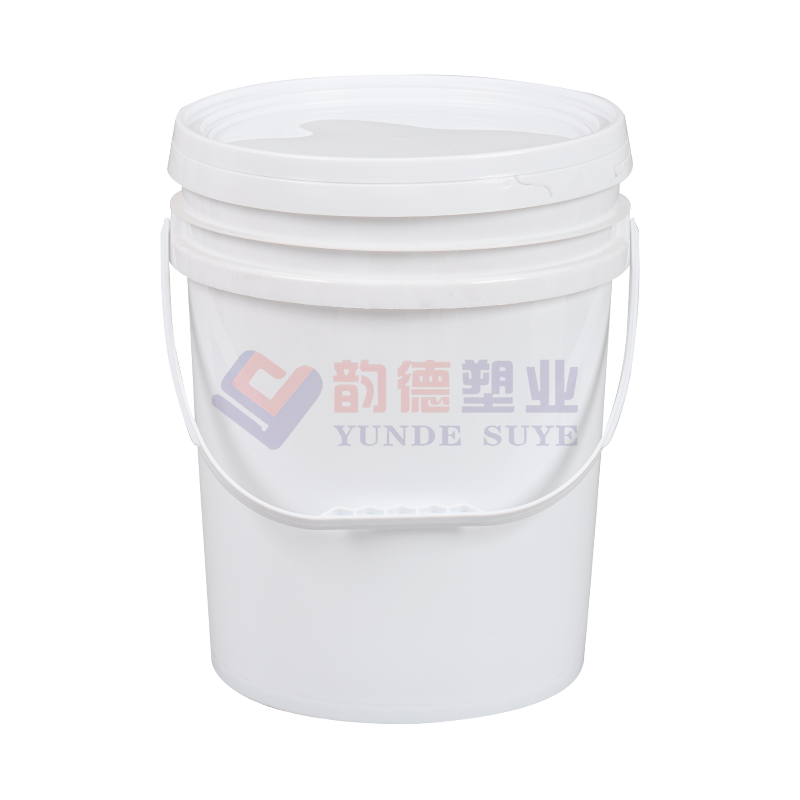
PP Plastic Bucket
-
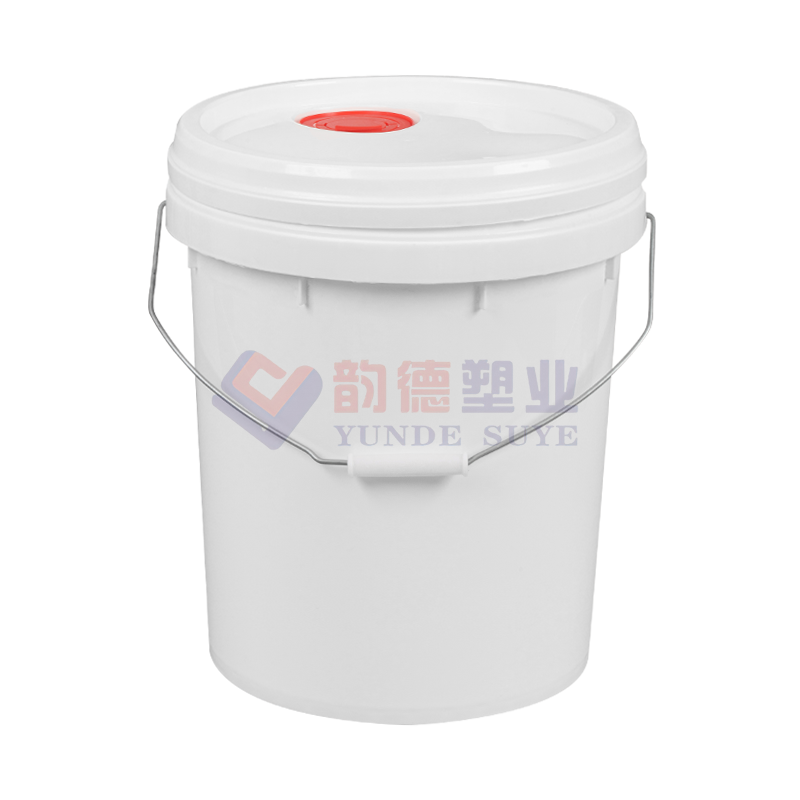
PP Plastic Bucket
-
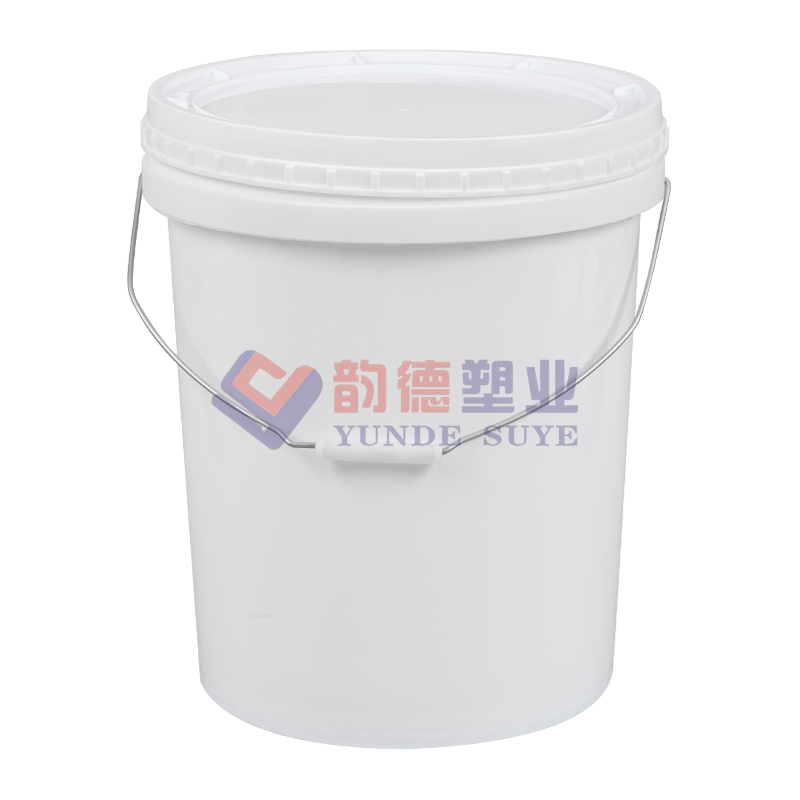
PP Plastic Bucket
-
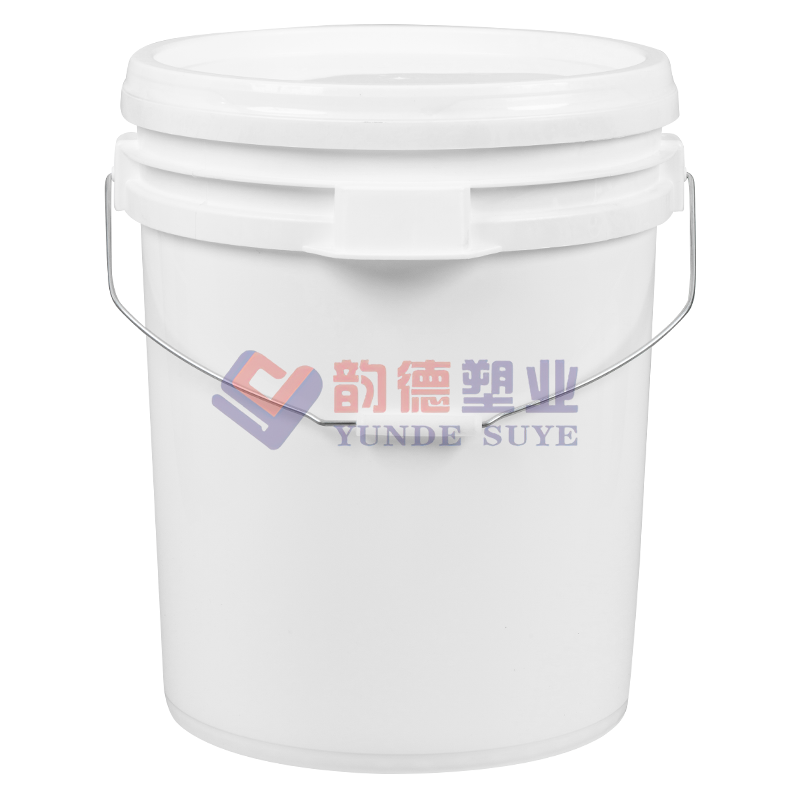
PP Plastic Bucket
LEAVE A MESSAGE
QUICK LINKS
PRODUCTS
CONTACT US
Phone: Ms.jiang
+86-15957492932 / 18058281908
Tel: +86-574-89085869
Ms.zhao: +86-18013378229
E-mail: [email protected]
Address: 588 Songpu Second Road, Cixi Binhai Economic Development Zone, Zhejiang Province (Building 1)
Copyright © Zhejiang Yun De Plastic Technology Co., Ltd. All Rights Reserved.
 Custom HDPE/Fluorination Bottles/Barrels Manufacturers