
 English
 中文简体
中文简体 Español
 عربى
عربىFluorinated Round Bottles
Does the HDPE square barrel support reuse and reduce waste from single-use plastics?
Introduction to HDPE Square Barrels
High-Density Polyethylene (HDPE) square barrels are a type of plastic container used for a wide range of applications, from storage to transportation of liquids and solids. Known for their durability, strength, and resistance to various chemicals, HDPE square barrels are commonly used in industries such as agriculture, food storage, chemicals, and shipping. These containers are considered an environmentally friendlier alternative to other types of plastic containers because of their ability to be reused, recycled, and their contribution to reducing waste from single-use plastics.
As the global demand for sustainable and reusable packaging solutions grows, HDPE square barrels have gained attention for their potential in helping reduce the reliance on single-use plastics. This article will explore whether HDPE square barrels can support reuse effectively and contribute to minimizing waste from disposable plastics.
Understanding HDPE Material
High-Density Polyethylene (HDPE) is a thermoplastic polymer made from petroleum. It is characterized by its dense molecular structure, which gives it its rigidity and chemical resistance. HDPE is often used in manufacturing containers, pipes, and plastic products due to its strength, non-reactivity with many chemicals, and ability to withstand various environmental conditions.
HDPE containers, such as square barrels, are highly regarded for their durability, ability to resist UV degradation, and tolerance to a wide range of temperatures. Additionally, HDPE is known for being one of the easiest plastics to recycle, making it an excellent choice for sustainable practices. These properties make HDPE square barrels suitable for reuse and recycling, which helps reduce waste and reliance on single-use plastic products.
Reuse Potential of HDPE Square Barrels
HDPE square barrels are designed to withstand significant wear and tear, which makes them ideal for reuse in various industries. Their durability ensures that they can be used multiple times without compromising structural integrity or performance. The reuse of HDPE square barrels helps reduce the need for new plastic containers, ultimately lowering the amount of plastic waste produced annually.
Reusing these containers in industrial, agricultural, and household applications can significantly reduce the environmental impact of single-use plastics. By repurposing these barrels for storage, transportation, or other practical uses, businesses and individuals can help decrease the demand for new plastic products, contributing to a reduction in plastic waste.
Additionally, HDPE square barrels can often be cleaned and sanitized between uses, making them a viable option for businesses that need to store or transport products safely over multiple cycles. This not only cuts down on the waste associated with single-use containers but also lowers operational costs by reducing the need for new containers each time.
Reduction of Single-Use Plastics with HDPE Barrels
The environmental challenge posed by single-use plastics is significant, as many of these items are used once and discarded, often ending up in landfills or oceans. Single-use plastic containers, bags, and bottles are major contributors to plastic waste. HDPE square barrels, when used as reusable alternatives, offer a solution to this issue. They help minimize the need for disposable plastic packaging and reduce the overall volume of waste generated by single-use plastics.
By encouraging businesses and consumers to switch to reusable HDPE containers, we can make a meaningful impact in curbing plastic pollution. Instead of discarding plastic containers after a single use, these barrels can be cleaned and reused many times, significantly reducing the amount of plastic waste generated. Moreover, HDPE's recyclability ensures that, at the end of their lifecycle, the barrels can be processed and repurposed into new products, further contributing to the reduction of plastic waste.
Recycling Benefits of HDPE Square Barrels
HDPE is one of the most widely recycled plastics, with a well-established recycling stream. When HDPE square barrels reach the end of their useful life, they can be recycled into new products such as plastic lumber, more containers, or even new barrels. The recycling process involves shredding the plastic, melting it down, and reusing it in the production of new plastic products. This closed-loop recycling process ensures that valuable resources are not wasted and reduces the need for virgin plastic production.
The recycling of HDPE square barrels not only conserves energy and raw materials but also reduces landfill waste. Since HDPE can be recycled multiple times without losing its integrity or strength, it provides a sustainable option for creating long-lasting products. The availability of recycling programs and the high demand for recycled HDPE materials make it easier for companies to responsibly dispose of used containers, further supporting the reduction of waste.
Cleaning and Maintenance for Reuse
To support the reuse of HDPE square barrels, it is important to properly clean and maintain them between uses. Depending on the contents stored in the barrel, different cleaning methods may be necessary. For instance, food-grade barrels must be sanitized thoroughly to ensure they are free from contaminants and safe for reuse in food storage. Similarly, barrels used for industrial or chemical purposes must be cleaned according to the specific regulations and safety guidelines for each substance.
In most cases, cleaning HDPE barrels is relatively straightforward. A combination of soap, warm water, and a scrub brush or sponge is usually sufficient to remove dirt, grease, and residue from the barrel's interior. For more stubborn residues or odors, a mixture of vinegar or baking soda with water can help eliminate any lingering smells or stains.
Maintaining HDPE square barrels by inspecting them regularly for signs of wear and damage, such as cracks or deformities, will ensure they remain functional and safe for reuse. By implementing proper cleaning and maintenance procedures, businesses and individuals can prolong the life of their HDPE containers and maximize their reuse potential.
Cost-Effectiveness of HDPE Square Barrels for Reuse
Using HDPE square barrels as a reusable option can provide significant cost savings over time. Although the initial investment in high-quality barrels may be higher than using single-use plastic containers, the long-term savings are considerable. By reusing these containers multiple times, businesses can reduce their reliance on purchasing new plastic products, cutting down on packaging costs and waste disposal fees.
In addition, the recyclability of HDPE further adds to its cost-effectiveness. By recycling used barrels, companies can contribute to the circular economy and reduce the need to buy new raw materials, lowering production costs. For consumers, the ability to reuse these containers for storage, organizing, or other household purposes makes HDPE square barrels a versatile and economical choice.
Challenges and Considerations in Reuse
While HDPE square barrels offer significant benefits in terms of reuse and waste reduction, there are a few challenges to consider. The initial cost of high-quality HDPE barrels may be a barrier for some users, particularly in industries where large quantities of containers are required. However, the long-term savings from reusing and recycling these containers often outweigh the initial investment.
Another consideration is the cleaning and sanitization process, particularly for containers that have been used for hazardous materials or food storage. Ensuring that these barrels are thoroughly cleaned and free from contaminants is critical to maintaining safety standards. Additionally, not all HDPE containers are designed for food contact, so it is important to choose the right type of barrel for specific applications.
Comparison of HDPE with Other Materials for Reuse
While HDPE is an excellent option for reusable barrels, it is helpful to compare it to other materials commonly used for containers. The following table compares HDPE with alternative materials, such as polyethylene (PE) and polypropylene (PP), in terms of reuse potential and environmental benefits:
| Material | Durability | Reusability | Recyclability | Environmental Impact |
| HDPE | High | High | Excellent | Low (can be recycled) |
| Polyethylene (PE) | Moderate | Moderate | Good | Moderate |
| Polypropylene (PP) | Moderate | Moderate | Good | Moderate |
Reuse and Waste Reduction with HDPE Square Barrels
HDPE square barrels offer an effective solution for reducing plastic waste and supporting sustainable practices. Their durability, reusability, and recyclability make them an ideal alternative to single-use plastic containers. By encouraging the use of HDPE square barrels for storage, transportation, and other purposes, businesses and consumers can help reduce plastic waste and lower their environmental footprint. With proper cleaning, maintenance, and recycling practices, these barrels can provide long-term benefits, contributing to a more sustainable future.
Related Products
-
-
Fluorinated Round Bottles
-
Fluorinated Round Bottles
-
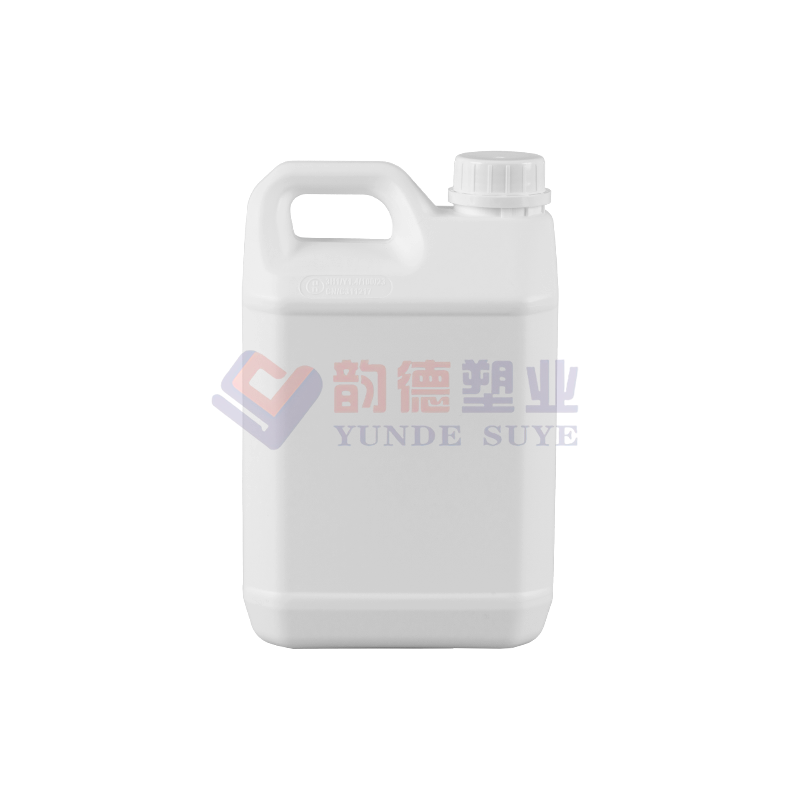
HDPE Square Barrel
-
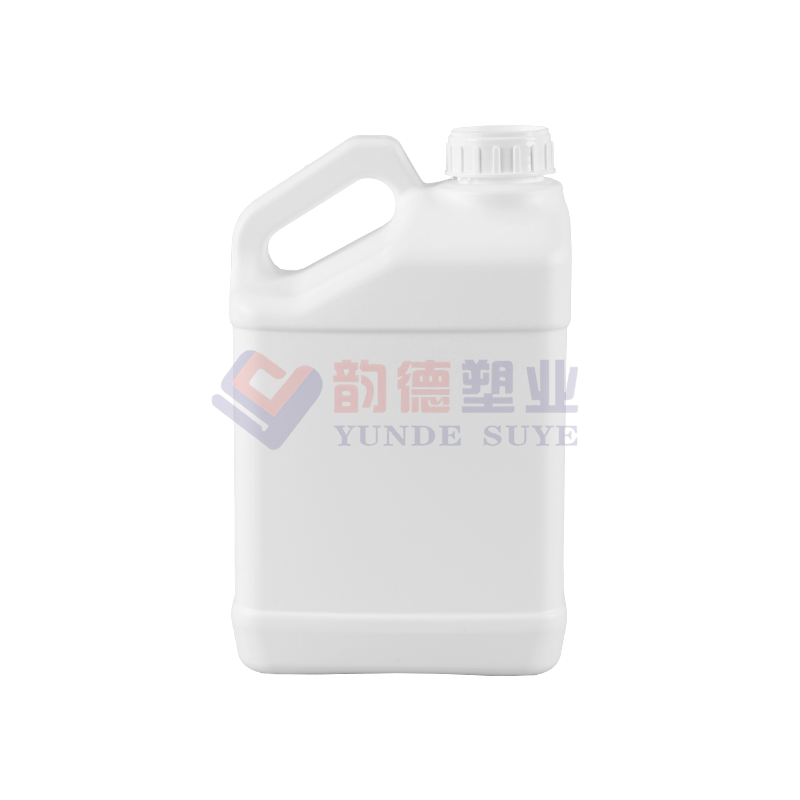
HDPE Square Barrel
-
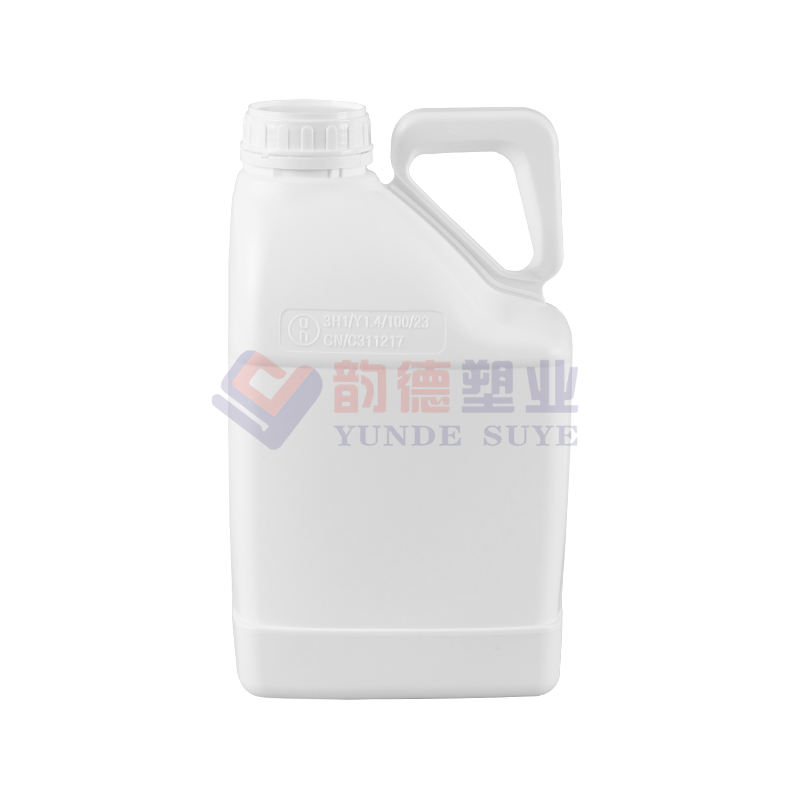
Fluorinated Square Barrels
-
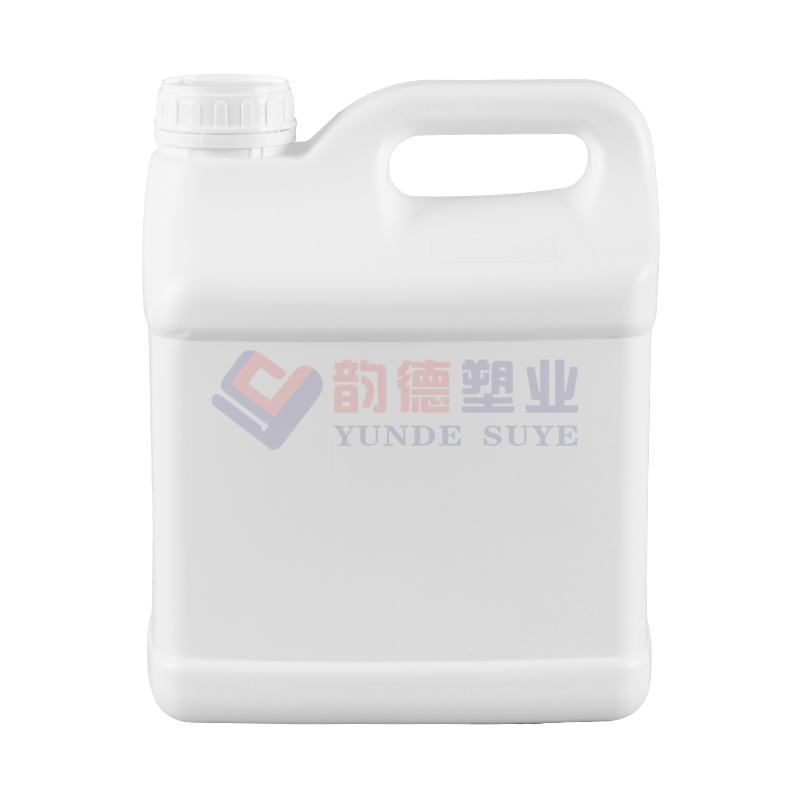
Fluorinated Square Barrels
-
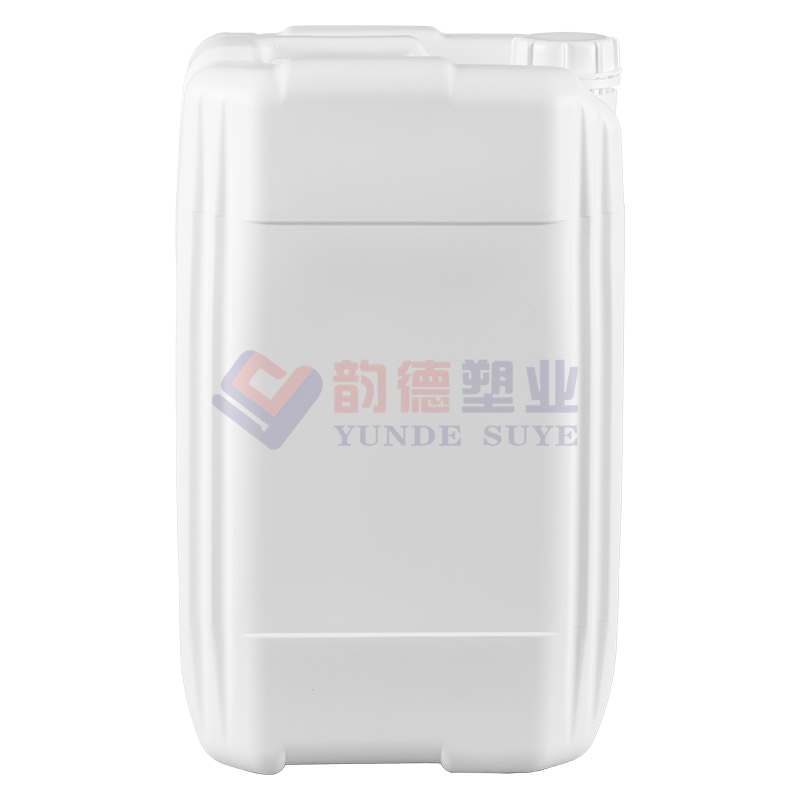
Fluorinated Stacking Barrels
-
PP Plastic Bucket
-
PP Plastic Bucket
-
PP Plastic Bucket
-
PP Plastic Bucket
LEAVE A MESSAGE
QUICK LINKS
PRODUCTS
CONTACT US
Phone: Ms.jiang
+86-15957492932 / 18058281908
Tel: +86-574-89085869
Ms.zhao: +86-18013378229
E-mail: [email protected]
Address: 588 Songpu Second Road, Cixi Binhai Economic Development Zone, Zhejiang Province (Building 1)
Copyright © Zhejiang Yun De Plastic Technology Co., Ltd. All Rights Reserved.
 Custom HDPE/Fluorination Bottles/Barrels Manufacturers