
 English
 中文简体
中文简体 Español
 عربى
عربىFluorinated Round Bottles
Will long-term storage of liquids in HDPE round bottles affect the bottle itself?
Introduction to HDPE Round Bottles and Their Usage
High-density polyethylene (HDPE) round bottles are widely used for storing liquids in industries such as chemicals, pharmaceuticals, cosmetics, and food. Their popularity is due to a combination of material stability, lightweight design, chemical resistance, and ease of manufacturing. However, concerns often arise regarding whether long-term storage of liquids can affect the bottle itself, potentially leading to structural changes, discoloration, or other material alterations over time.
Understanding the long-term interactions between HDPE bottles and their contents requires consideration of both the material properties and the characteristics of the stored liquids.
Chemical Resistance of HDPE
HDPE is known for its resistance to a wide range of chemicals, including acids, bases, and many organic solvents. This chemical stability helps ensure that liquids stored for extended periods do not react with the bottle walls. For most common applications, HDPE bottles maintain structural integrity without leaching harmful compounds into the liquid.
However, certain aggressive solvents or oxidizing agents may interact with HDPE over time. Extended exposure to such liquids may result in slight swelling, softening, or surface changes. These effects are typically gradual and depend on both the concentration of the chemical and storage conditions.
Mechanical Properties and Structural Integrity
The mechanical strength of HDPE supports repeated handling, stacking, and transport. Round geometry contributes to uniform stress distribution, which reduces the risk of localized deformation. Over long-term storage, typical liquids do not exert enough stress to compromise the bottle's structural integrity.
Factors such as temperature fluctuations, UV exposure, or mechanical pressure from stacking can influence long-term mechanical performance. While HDPE is relatively resilient, continuous exposure to extreme conditions may gradually reduce toughness or flexibility.
Effect of Temperature on HDPE Bottles
Temperature is a key factor affecting HDPE during long-term storage. Elevated temperatures can increase molecular mobility, making the plastic more flexible or slightly softer. Over time, heat exposure may accelerate oxidation at the surface, leading to minor discoloration or changes in gloss.
Conversely, extremely low temperatures may make HDPE more brittle and increase susceptibility to cracking if the bottle is dropped or stressed. Maintaining storage within recommended temperature ranges helps minimize these effects.
Interaction With Stored Liquids
Liquids themselves can influence HDPE bottles over extended periods. Water-based solutions, oils, and common chemical formulations typically have minimal impact. Strong organic solvents or highly concentrated acidic or alkaline liquids may cause minor swelling or slight changes in bottle dimensions if storage is prolonged.
The degree of effect is influenced by factors such as chemical concentration, temperature, and contact time. In most household and industrial applications, these changes are minimal and do not compromise overall usability.
Permeation and Evaporation Considerations
HDPE has low but finite permeability to gases and vapors. Over long-term storage, some volatile components in the liquid may slowly diffuse through the bottle walls. While this process is typically slow, it can slightly alter the composition of highly volatile liquids.
Permeation does not usually cause structural damage but can be relevant when precision in liquid composition is critical. Additional measures, such as fluorination or using barrier liners, are sometimes employed to enhance resistance to evaporation.
Surface Changes and Aesthetic Considerations
Long-term storage may lead to minor surface changes, including slight yellowing, cloudiness, or loss of gloss. These changes are generally superficial and do not affect mechanical performance or safety. They are often influenced by heat, light exposure, or the chemical nature of the stored liquid.
Containers kept in dark, cool environments tend to retain their appearance longer than those exposed to sunlight or fluctuating temperatures.
Microbial Growth and Contamination
HDPE is naturally resistant to microbial growth, and the bottle itself does not promote contamination. However, if liquids contain nutrients or microbial spores, and the bottle is not properly cleaned between uses, microbial growth may occur on the liquid side of the container. This does not directly affect the HDPE material but can influence odor or surface residue accumulation.
Long-Term Deformation and Stress Relaxation
Over extended storage, HDPE may exhibit slight stress relaxation, particularly if filled and capped under pressure. This can result in minor dimensional changes, such as slight shrinkage or expansion. Round bottle geometry helps distribute internal stresses, reducing the likelihood of noticeable warping or deformation.
Stress relaxation is gradual and rarely compromises container performance under typical storage conditions.
Comparison of HDPE with Other Plastics for Long-Term Storage
| Plastic Material | Chemical Resistance | Permeation Rate | Structural Stability Over Time |
| HDPE | High for most chemicals | Low | Good under moderate conditions |
| Polypropylene | Moderate to high | Low to moderate | Good, slightly more prone to creep |
| PET | Moderate, especially to solvents | Very low | High, retains shape well |
| Polycarbonate | Moderate, sensitive to some chemicals | Low | High, but may yellow over time |
Cleaning and Maintenance for Long-Term Storage
Proper cleaning before filling and during use helps prevent accumulation of residues that could interact with the HDPE surface. Mild detergents and warm water are sufficient for most applications. Avoiding harsh chemicals or abrasive cleaning methods prevents surface scratching and maintains integrity.
Allowing the bottle to dry completely before closing reduces moisture-related issues and supports long-term structural stability.
Impact of UV Exposure
HDPE is sensitive to ultraviolet light, which can accelerate photooxidation and surface degradation. Prolonged exposure to sunlight or strong artificial light may result in minor discoloration, surface brittleness, or reduced gloss. UV stabilizers can be incorporated during manufacturing to slow these effects, extending the useful life of the bottle in long-term storage conditions.
Practical Observations in Industrial and Household Use
Long-term storage in HDPE round bottles has generally shown that the material maintains its structural and chemical properties when kept under normal environmental conditions. Minor aesthetic changes such as yellowing or surface cloudiness may appear, but these do not typically compromise mechanical performance or leak resistance.
In industrial applications, periodic inspection is recommended to ensure that bottles have not experienced swelling, stress cracking, or deformation that could affect handling and safety.
Overall Assessment of HDPE Behavior in Long-Term Storage
High-density polyethylene round bottles demonstrate high chemical resistance, good mechanical stability, and low permeability, making them suitable for long-term storage of a wide range of liquids. While minor changes in appearance or slight dimensional relaxation may occur, these effects are typically gradual and manageable.
Proper handling, storage in controlled environments, and attention to closure systems further enhance the long-term reliability of HDPE bottles for liquid containment.
Related Products
-
-
Fluorinated Round Bottles
-
Fluorinated Round Bottles
-
HDPE Square Barrel
-
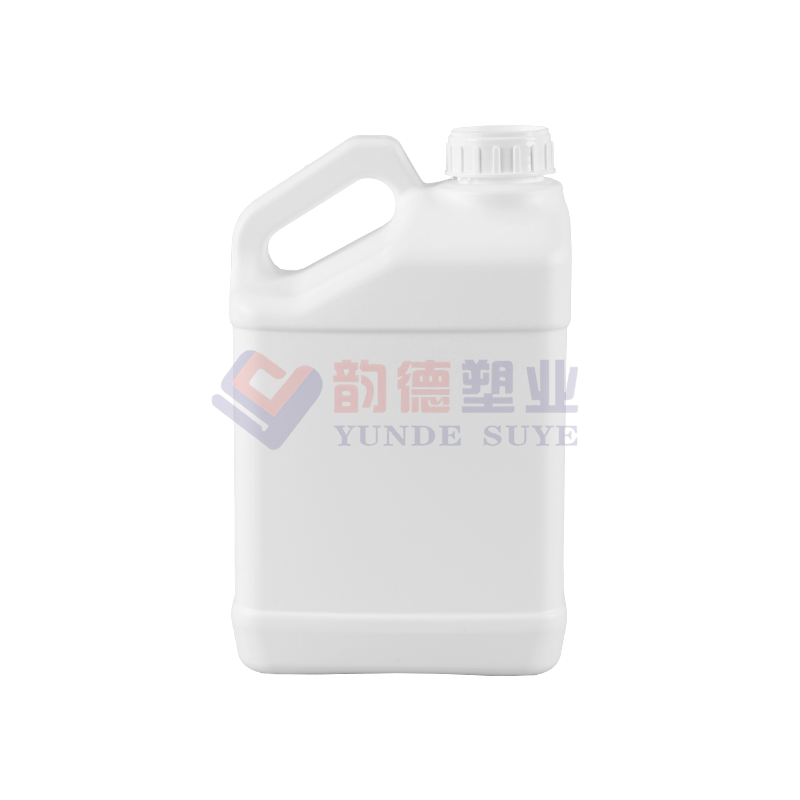
HDPE Square Barrel
-
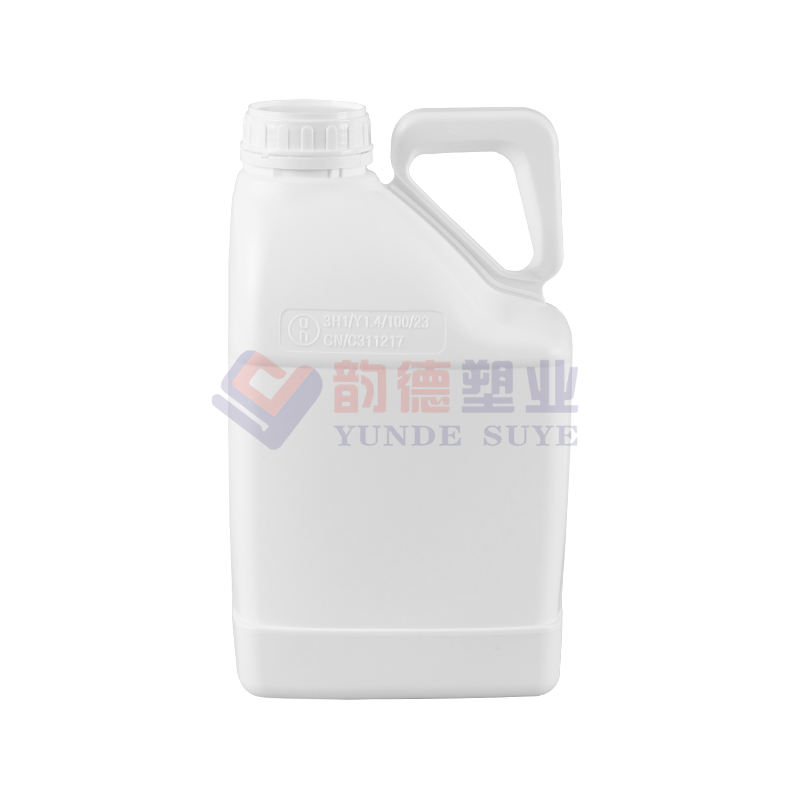
Fluorinated Square Barrels
-
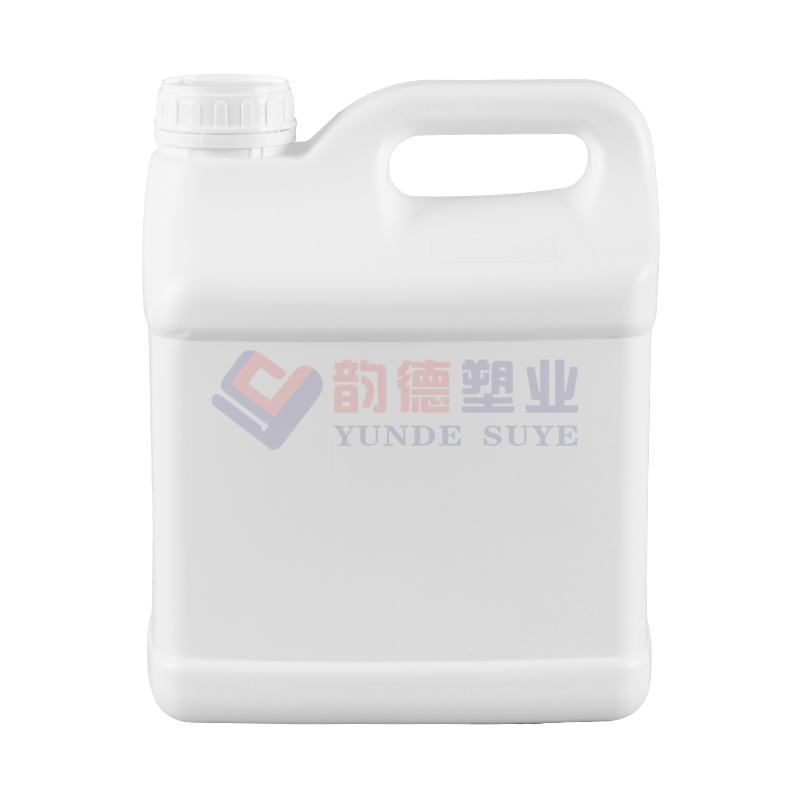
Fluorinated Square Barrels
-
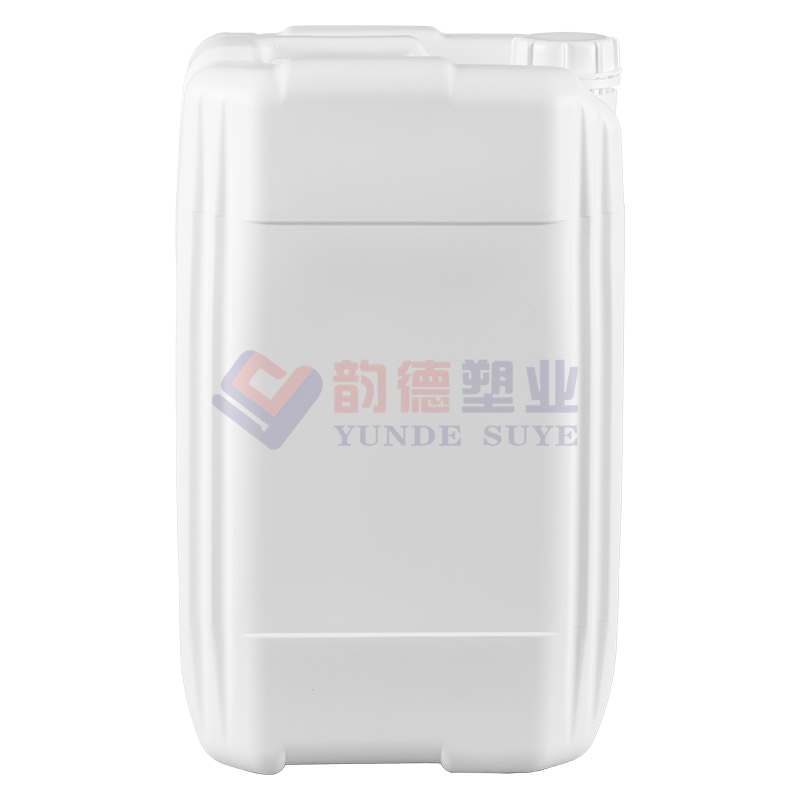
Fluorinated Stacking Barrels
-
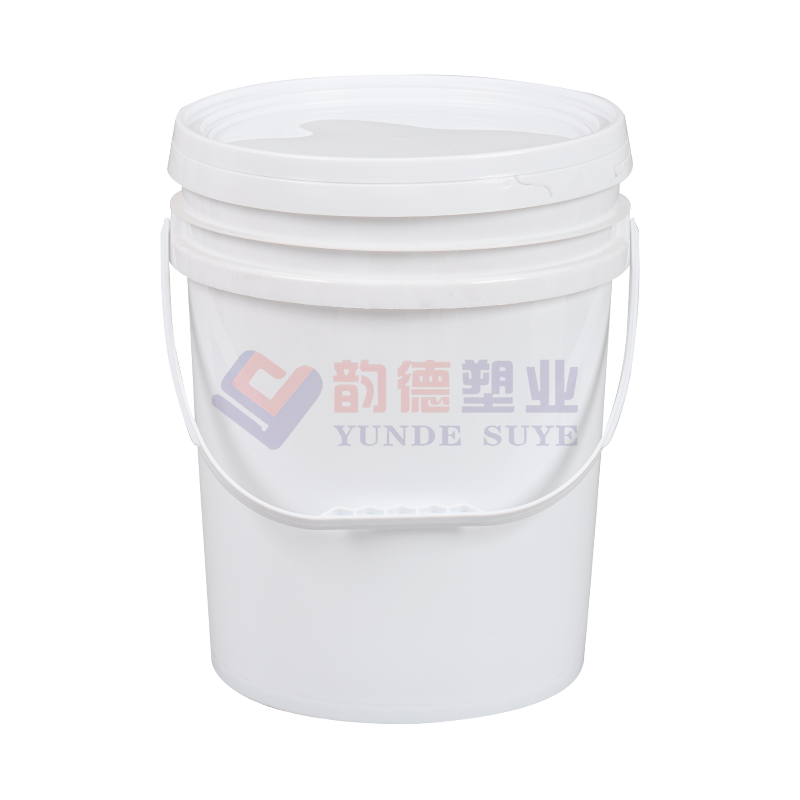
PP Plastic Bucket
-
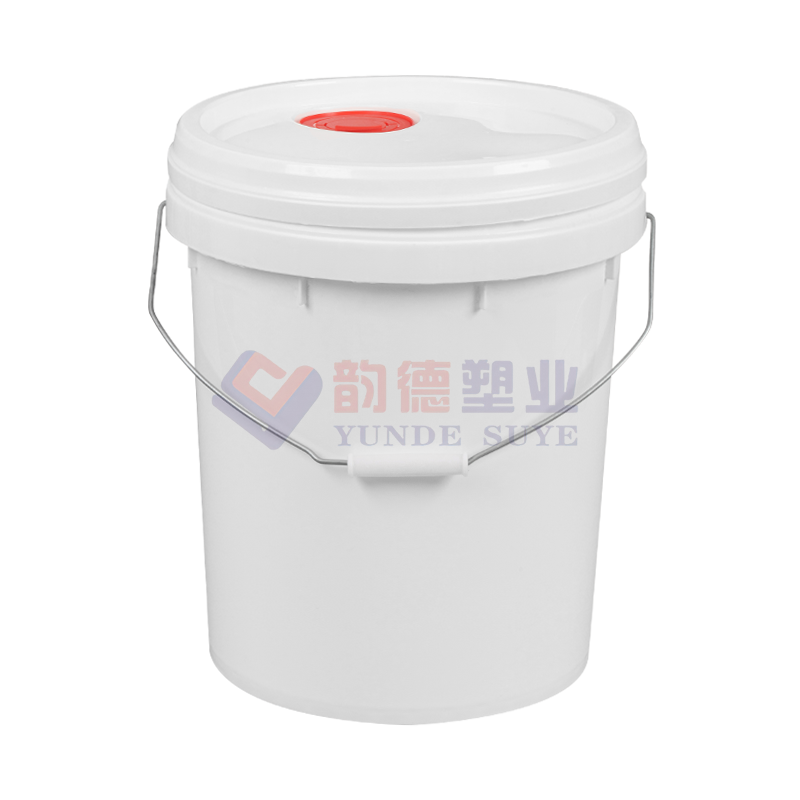
PP Plastic Bucket
-
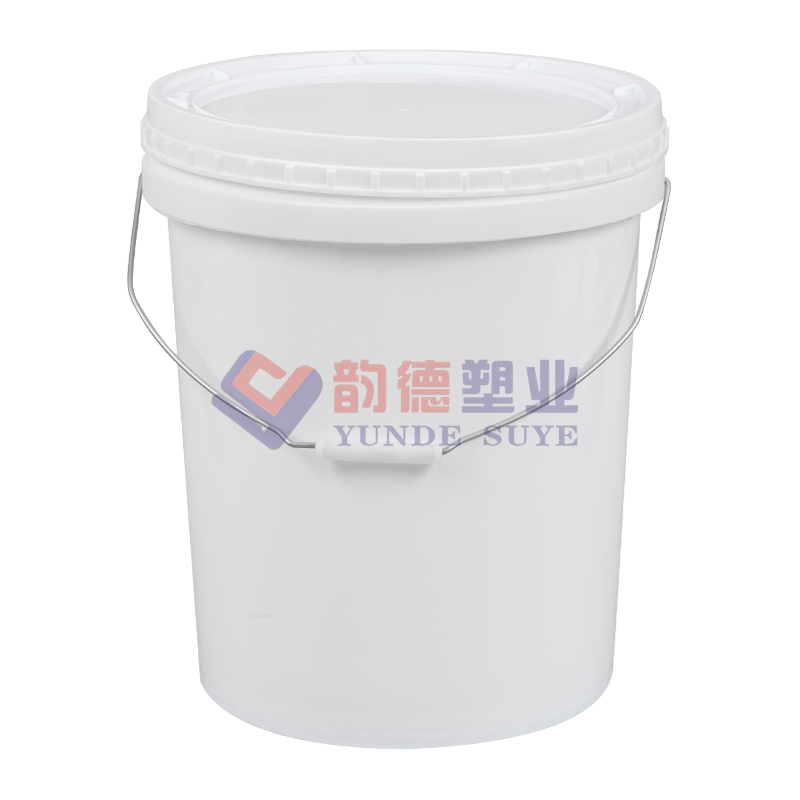
PP Plastic Bucket
-
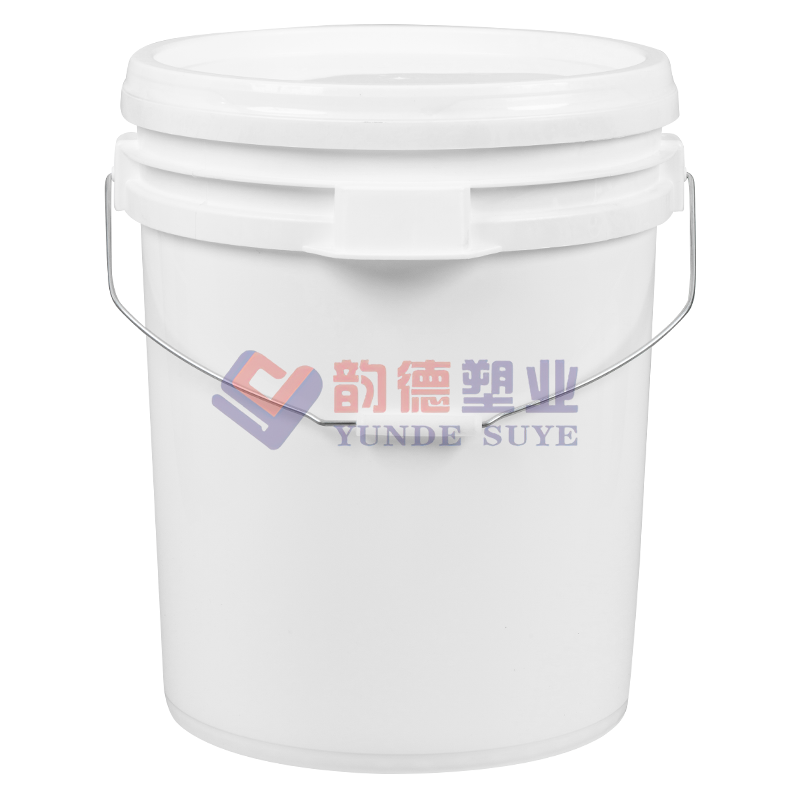
PP Plastic Bucket
LEAVE A MESSAGE
QUICK LINKS
PRODUCTS
CONTACT US
Phone: Ms.jiang
+86-15957492932 / 18058281908
Tel: +86-574-89085869
Ms.zhao: +86-18013378229
E-mail: [email protected]
Address: 588 Songpu Second Road, Cixi Binhai Economic Development Zone, Zhejiang Province (Building 1)
Copyright © Zhejiang Yun De Plastic Technology Co., Ltd. All Rights Reserved.
 Custom HDPE/Fluorination Bottles/Barrels Manufacturers