
 English
 中文简体
中文简体 Español
 عربى
عربىFluorinated Round Bottles
Are PP plastic buckets suitable for high-temperature sterilization, hot filling, or cold chain transportation?
Temperature Resistance Characteristics of the PP Plastic Bucket
The PP plastic bucket is widely recognized for its balanced mechanical strength and thermal stability, and these properties form the basis for judging whether it can withstand high-temperature sterilization, hot filling, or cold chain transportation. Polypropylene (PP) as a material has a relatively high melting point among common plastics used in packaging, typically ranging from 160°C to 170°C. This allows the PP plastic bucket to maintain structural integrity when exposed to moderately high temperatures. However, the exact temperature tolerance depends on factors such as resin grade, wall thickness, molding process, and whether additives are used to enhance thermal performance. These variables influence the stability of the bucket during thermal cycles, motions during filling, and storage conditions involving heating or cooling. Manufacturers usually conduct heat deformation tests to confirm the safe operating temperature range, which helps users understand how the bucket responds to environments that involve pasteurization, hot water washing, or long-term refrigeration.
| Property | Typical Value for PP Plastic Bucket |
|---|---|
| Melting Point | 160–170°C |
| Heat Distortion Temperature | 90–120°C (depending on grade) |
| Cold Resistance | -10°C to -20°C (varies by formulation) |
| Dimensional Stability | Moderate stability under thermal cycling |
Suitability of PP Plastic Bucket for High-Temperature Sterilization
The PP plastic bucket can tolerate certain sterilization processes, but whether it is suitable for high-temperature sterilization depends on the temperature and duration of exposure. Steam sterilization or boiling procedures commonly used in food and pharmaceutical settings often involve temperatures close to or exceeding 100°C. At these temperatures, a PP plastic bucket may soften if the heat exposure is prolonged or if the bucket is not reinforced with a heat-resistant PP grade. Although PP can withstand short thermal shocks, continuous high-temperature sterilization may cause deformation, mild warping, or surface changes. The material’s response also varies according to the lid structure, handle design, and wall thickness uniformity. For industrial users requiring repetitive high-temperature sterilization cycles, testing based on actual operating conditions is essential. Some producers offer heat-resistant PP blends enhanced with nucleating agents to improve rigidity, which expands the application range of the PP plastic bucket for sterilization scenarios.
Performance of PP Plastic Bucket During Hot Filling Operations
Hot filling is a common process in sectors such as food, chemical additives, sauces, syrups, and semi-liquid products. A standard PP plastic bucket typically supports hot filling in the range of 80–95°C, depending on the structural strength and manufacturing method. During hot filling, thermal stability is crucial not only for preventing deformation but also for ensuring sealing integrity. The lid and rim areas are the primary points where heat can influence dimensional changes, potentially affecting the air-tightness of the PP plastic bucket. Manufacturers often optimize the injection molding process to increase uniformity, which helps the bucket maintain consistent shape under thermal load. PP’s low thermal conductivity also reduces the rate of heat transfer, allowing the bucket to cool gradually without abrupt temperature shocks. However, if the hot filling temperature exceeds the recommended limit or involves heavy substances that exert downward pressure, reinforcement ribs or thickened walls may be necessary to maintain structural reliability.
| Hot Filling Temperature Range | PP Bucket Performance Description |
|---|---|
| Below 80°C | Generally stable; minimal deformation risk. |
| 80–95°C | Suitable for many applications if bucket design is reinforced. |
| 95–110°C | Possible for heat-resistant PP formulations; testing recommended. |
Cold Chain Transportation Suitability of PP Plastic Bucket
Cold chain environments require packaging that can withstand low temperatures without cracking, becoming brittle, or losing sealing ability. The PP plastic bucket generally performs reliably in moderately cold conditions, especially in refrigerated storage. Standard PP begins to lose impact resistance at extremely low temperatures because the molecular chain mobility decreases, causing brittleness. Most commercial PP plastic bucket products used in logistics and food transportation remain stable in temperature ranges from -10°C to -20°C, depending on the presence of impact modifiers or blended materials. In cold chain operations involving repeated transitions between cold storage and ambient temperatures, dimensional stability and lid sealing performance are critical. A PP plastic bucket designed with flexible sealing rings or softer PP copolymers can adapt better to such variations. This capability allows the bucket to function as a reliable container for dairy, beverages, bio-materials, certain pharmaceuticals, and frozen food ingredients that need controlled temperature shipping and storage.
Influence of Material Formulation and Processing on Thermal Performance
The performance of the PP plastic bucket in high-temperature sterilization, hot filling, or cold chain use is strongly connected to the manufacturing process and material blend. Injection molding conditions such as mold temperature, cooling time, and resin grade selection influence crystallinity, which affects heat resistance. A bucket made from random copolymer PP may demonstrate improved cold resistance but slightly reduced heat tolerance. In contrast, a homopolymer PP structure often provides better rigidity at higher temperatures but may be less flexible at low temperatures. Manufacturers may modify base PP with additives to balance thermal needs, such as impact modifiers, UV stabilizers, nucleating agents, or fiber reinforcements. These adjustments allow different versions of the PP plastic bucket to be tailored for specific industry conditions, improving compatibility with sterilization lines, filling systems, or cold transportation networks.
| PP Material Type | Main Characteristics |
|---|---|
| Homopolymer PP | Higher heat resistance; lower flexibility at cold temperatures. |
| Random Copolymer PP | Better transparency and cold resistance; moderate heat tolerance. |
| Block Copolymer PP | Higher impact resistance; suitable for cold chain applications.
|
Practical Industry Applications and Selection Considerations
When deciding whether a PP plastic bucket is suitable for a specific process, users must evaluate the entire temperature environment, including sterilization method, filling temperature, storage conditions, and transport cycles. Industries such as food manufacturing rely heavily on buckets that can support hygienic operations, which may involve washing with hot water or brief sterilization steps. Chemical and industrial users often require stability during the filling of warm liquids or semi-solids. Cold chain users prioritize impact resistance and sealing ability during low-temperature storage and shipping. Understanding the mechanical limits and thermal behavior of the PP plastic bucket helps prevent failures such as micro-cracks, warping, or seal loss. Each production line may impose unique demands, so cooperation with manufacturers for testing, sampling, and custom formulation ensures that the chosen bucket meets both safety and operational needs.
Related Products
-
-
Fluorinated Round Bottles
-
Fluorinated Round Bottles
-
HDPE Square Barrel
-
HDPE Square Barrel
-
Fluorinated Square Barrels
-
Fluorinated Square Barrels
-
Fluorinated Stacking Barrels
-
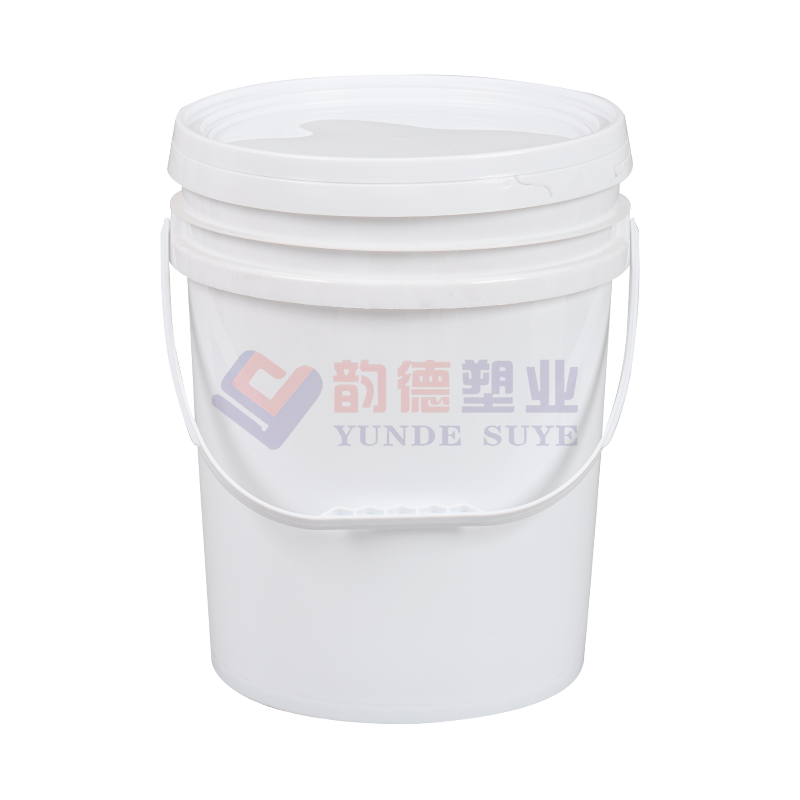
PP Plastic Bucket
-
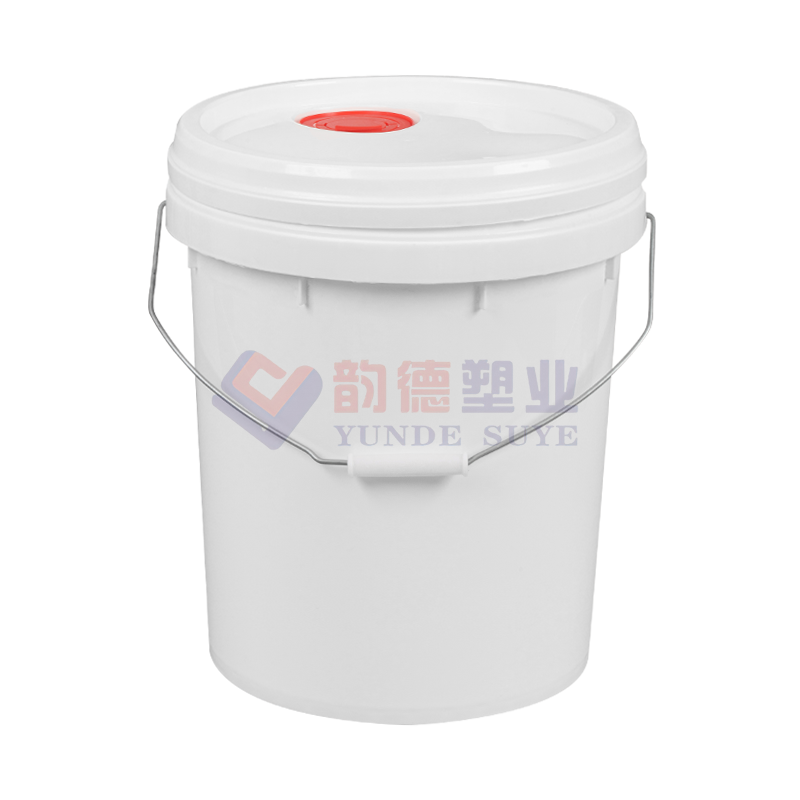
PP Plastic Bucket
-
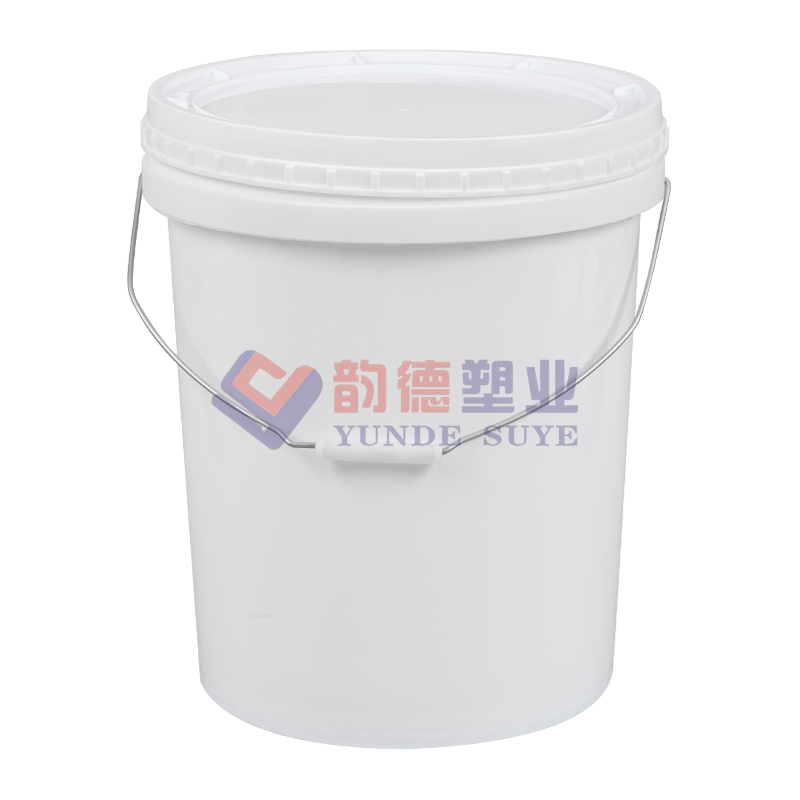
PP Plastic Bucket
-
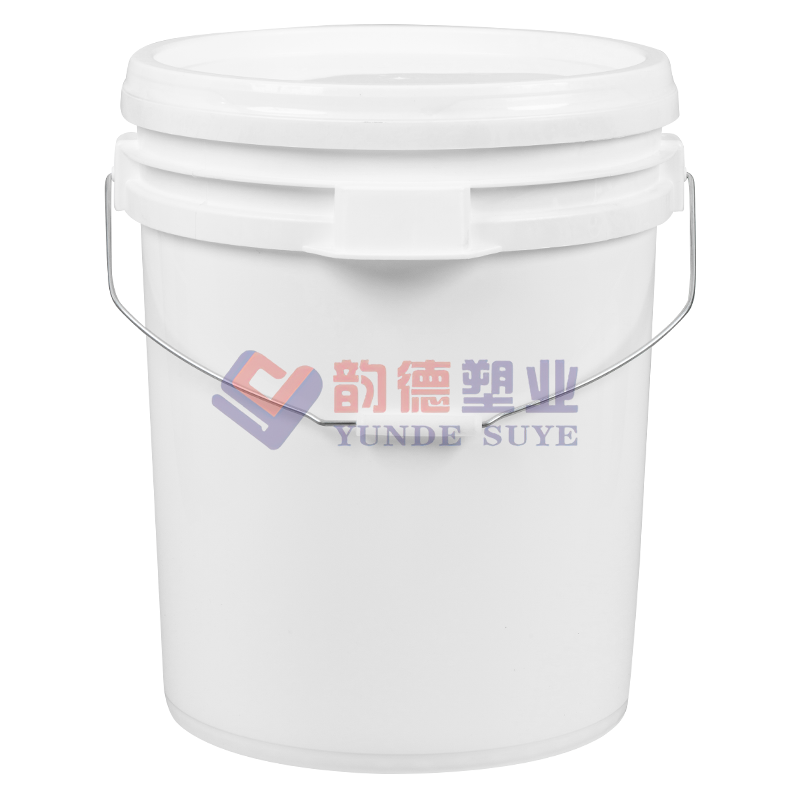
PP Plastic Bucket
LEAVE A MESSAGE
QUICK LINKS
PRODUCTS
CONTACT US
Phone: Ms.jiang
+86-15957492932 / 18058281908
Tel: +86-574-89085869
Ms.zhao: +86-18013378229
E-mail: [email protected]
Address: 588 Songpu Second Road, Cixi Binhai Economic Development Zone, Zhejiang Province (Building 1)
Copyright © Zhejiang Yun De Plastic Technology Co., Ltd. All Rights Reserved.
 Custom HDPE/Fluorination Bottles/Barrels Manufacturers